UK Supermarkets Deploy Facial Recognition Technology To Deter Retail Crime
 By hanif sabir
Published: 22 Jul 2026
3 min read
By hanif sabir
Published: 22 Jul 2026
3 min read
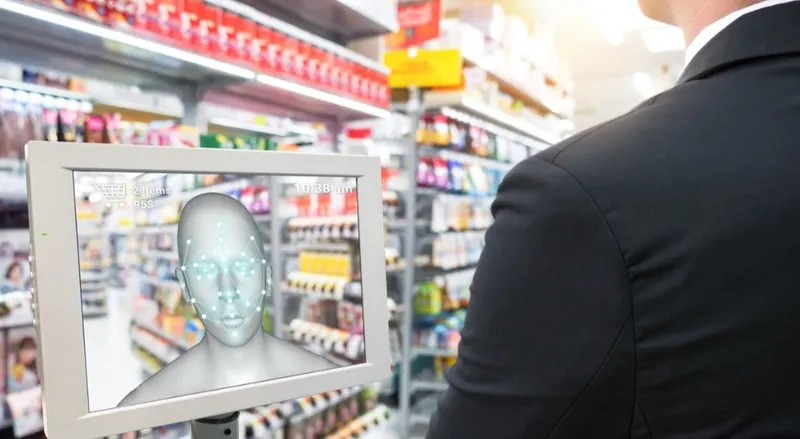
LONDON (special crosspondent) – Major supermarket chains across the United Kingdom have begun introducing facial recognition technology to combat rising levels of shoplifting, assaults on retail workers, and other in-store crimes. The new system is designed to identify individuals with a history of repeat theft, violence, or other serious offences as soon as they enter participating stores.
Deployment of Watchlist Systems
Under the new programme, each retailer will maintain its own watchlist containing the facial images of individuals previously involved in repeated shoplifting, threatening staff, or other criminal activities. As soon as a person on the watchlist enters a store, facial recognition cameras at the entrance will alert security personnel. The primary objective is to help retailers identify repeat offenders quickly and improve the safety of employees and customers. While corporations focus on security, other sectors continue to prioritize public welfare, such as how gardening promotes longevity and wellbeing in broader community contexts.
Technology Provider and Industry Implementation
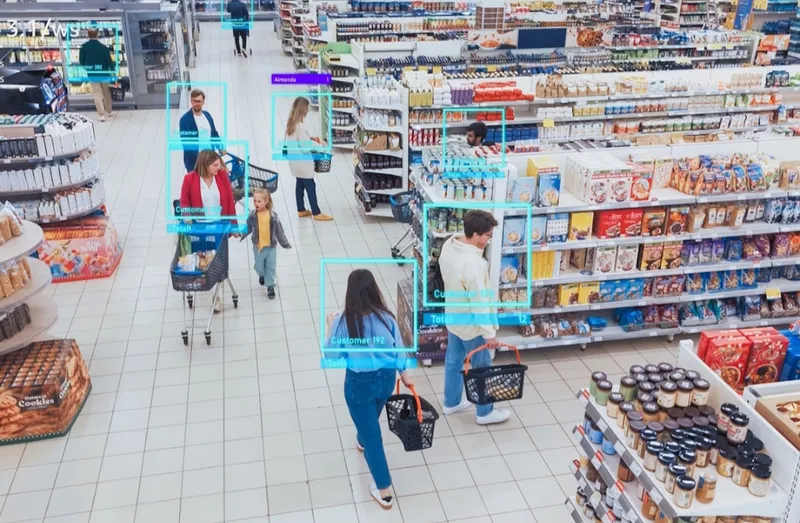
According to reports by The Guardian, the Financial Times, and information released by New Zealand technology company Auror, the facial recognition system is being supplied by Auror and is being introduced in phases by several leading UK retail chains. The company says the technology is intended solely to prevent crime, protect staff and shoppers, and reduce financial losses caused by retail crime. Any action following an alert will remain the responsibility of trained security personnel.
The move comes as shoplifting and violence against retail workers have increased significantly across the UK in recent years. Retail industry representatives say organised criminal groups are responsible for a large proportion of repeat offences, costing businesses billions of pounds annually. As a result, many retailers are investing in advanced security technologies to better protect their stores, much like how the government monitors Pakistan and United Kingdom commitment to economic reforms.
Privacy Concerns and Regulatory Debate
However, civil liberties and digital rights organisations have raised concerns about the growing use of facial recognition in retail settings. They argue that the technology could pose risks to personal privacy, biometric data protection, and may result in cases of mistaken identity. Critics are calling for clear legislation, independent oversight, and transparent regulations to ensure that the technology is used responsibly and that citizens’ rights are safeguarded.
Experts note that facial recognition technology is already widely used around the world at airports, border checkpoints, banks, stadiums, shopping centres, and by law enforcement agencies. Its growing adoption in UK supermarkets has intensified the debate over balancing public safety with privacy and civil liberties, drawing parallels to global discussions on the rights of children, such as France implementing a landmark social media ban for children under fifteen.