Tech Firms Explore Space-Based Data Centers to Meet AI Demand
 By hanif sabir
Published: 02 Aug 2026
2 min read
By hanif sabir
Published: 02 Aug 2026
2 min read
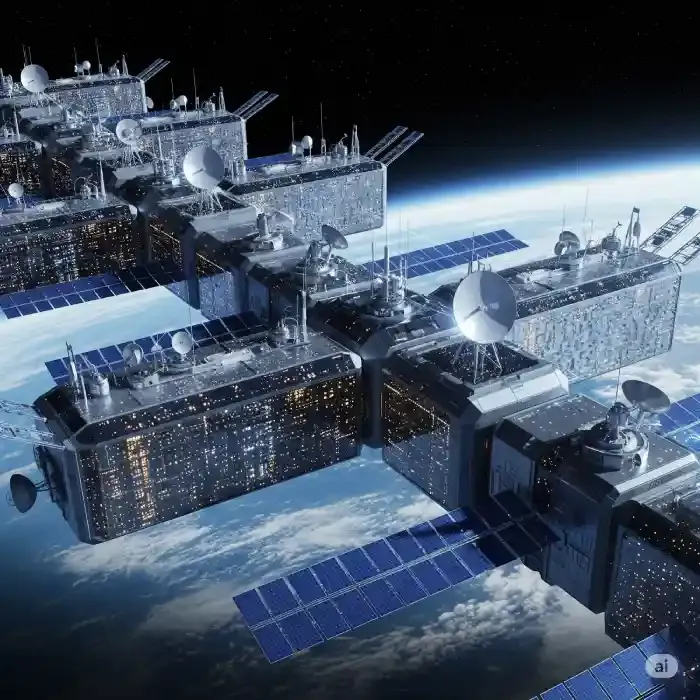
ISLAMABAD (special crosspondent) – Technology companies are exploring plans to establish data centers in space as artificial intelligence (AI) drives an unprecedented surge in global demand for computing power. The proposed orbital facilities would use solar energy to operate high-performance computing systems, reducing reliance on the vast amounts of electricity, water and land required by conventional data centers on Earth.
Feasibility of Orbital AI Infrastructure
According to international media reports, companies including SpaceX, Blue Origin and other technology firms are evaluating the feasibility of deploying AI-powered data centers in orbit. Supporters believe the concept could provide virtually uninterrupted access to solar energy while helping meet the rapidly expanding computing requirements of next-generation AI systems, much like the innovation seen in modern business infrastructure. The initiative is seen as a potential long-term solution to the growing environmental and infrastructure challenges posed by terrestrial data centers, which consume increasing amounts of energy and water as AI technologies continue to evolve.

Environmental Concerns and Regulatory Hurdles
However, the proposal has drawn criticism from environmental organizations, scientists and astronomers, who warn that large-scale deployment of space-based data centers could create significant environmental and scientific risks. Experts say the project could require thousands—or even millions—of additional satellites, leading to increased space debris, more frequent rocket launches and greater atmospheric pollution from satellite re-entries. They also caution that such developments could contribute to ozone depletion and increased light pollution, potentially affecting astronomical observations and scientific research.
Future Viability and Oversight
Environmental groups have called on the U.S. Federal Communications Commission (FCC) and other regulatory authorities to require comprehensive environmental impact assessments before approving such projects. They argue that current regulations do not adequately address the long-term global consequences of deploying large-scale infrastructure in space, a concern parallel to the oversight discussed in media compliance frameworks. While supporters believe space-based data centers could play a crucial role in the future of AI by providing sustainable computing capacity, industry experts acknowledge that the technology remains in its early stages and that its technical and commercial viability has yet to be proven. They say the success of the concept will ultimately depend on overcoming engineering, regulatory and environmental challenges.