DG Customs Valuation Addresses LCCI Concerns on Import Pricing Policies
 By hanif sabir
Published: 17 Aug 2026
3 min read
By hanif sabir
Published: 17 Aug 2026
3 min read
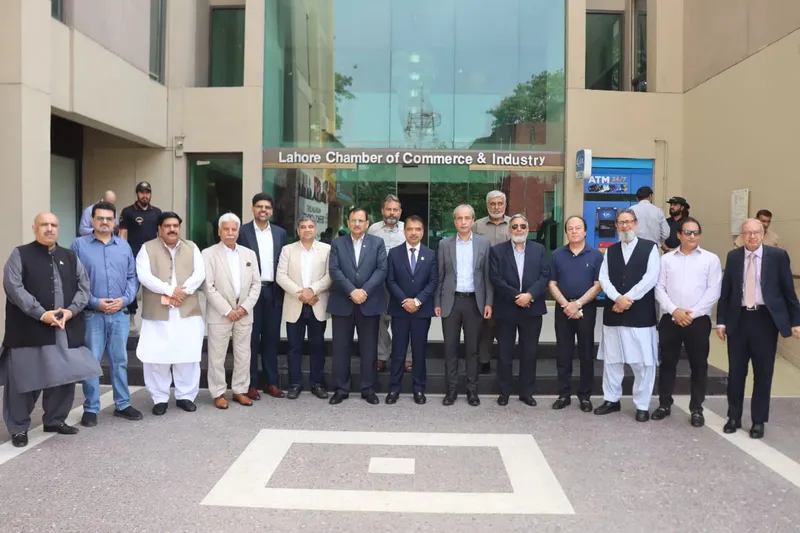
LAHORE (special crosspondent) – Director General Customs Valuation Irfan Wahid has stated that ensuring fair valuation of imported goods remains a primary responsibility of the Customs Department, emphasizing that fairness, transparency, and impartiality are the cornerstones of all valuation rulings. Addressing the business community at the Lahore Chamber of Commerce and Industry (LCCI), Wahid announced that the current valuation system is undergoing a comprehensive modernization process. This initiative aims to align valuation rulings with international market prices, minimize discretionary elements, and foster greater price stability for the business sector. LCCI President Faheem Ur Rehman Saigol, who hosted the delegation, acknowledged the critical role the Directorate General of Customs Valuation plays in the national trade, import, and tax framework. He noted that accurate and transparent valuation is vital for protecting national revenue and encouraging legal, documented trade. The LCCI represents more than 48,000 members across trade, industry, and service sectors, acting as a bridge between the government and the private sector.
During the session, President Saigol expressed significant concerns regarding Valuation Ruling No. 2105/2026, which pertains to mobile phone accessories. He noted that the customs value for certain accessories had increased by over 100 percent compared to the previous ruling, leading to a substantial hike in customs duties and negatively impacting importers’ operational costs. Saigol highlighted that international prices for these accessories are currently on a downward trend, rendering such a sharp increase unrealistic. He suggested that any necessary adjustments should be kept at a reasonable level, ideally not exceeding 20 percent. Furthermore, he requested a review of the ruling to distinguish between imported products and those now manufactured locally. In light of such concerns, Saif ur Rehman Emphasizes Continuous Systemic Change for National Prosperity as a pathway toward sustainable industrial growth.
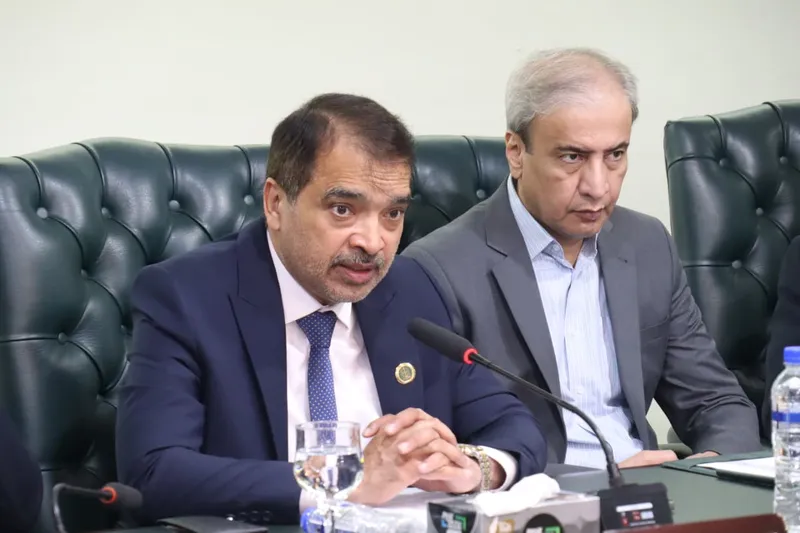
Saigol also raised issues regarding Valuation Ruling No. 2094/2026, covering perfumes, cosmetics, and deodorants. Business representatives argued that the customs values for several international brands have been set significantly higher than actual market prices, making imports commercially unviable. The LCCI president warned that such policies could inadvertently fuel illegal trade and increase market prices for consumers. He urged the authorities to refer the matter to the appropriate forum for a fresh evaluation, providing stakeholders, including authorized distributors and importers, with a fair opportunity to present documentary evidence.
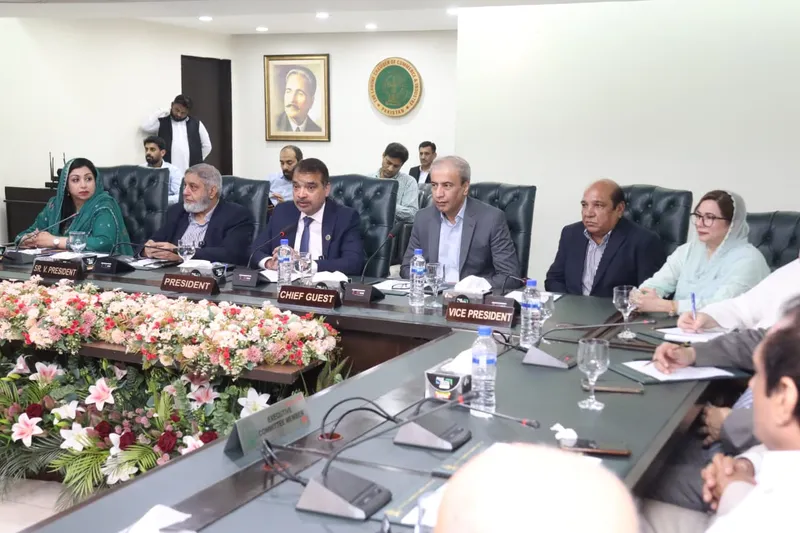
In response, DG Customs Valuation Irfan Wahid noted that the perfume and cosmetics valuation case is already under formal review, with several hearings conducted to incorporate stakeholder feedback. He stressed that while the interests of the local industry and importers may sometimes conflict, the department remains committed to impartiality. Addressing the broader scope of operations, Wahid explained that approximately 50 items are now being valued based on international publications and global market data. He acknowledged the complexity of determining values for finished goods, which often require extensive research and market analysis compared to raw materials. On the issue of mobile accessories, the DG confirmed that review applications have been received and a hearing is scheduled for next week, with plans to facilitate an online session to ensure broader participation from the business community. This commitment aligns with broader efforts to improve efficiency, similar to how No Unjust Challan by amotorway Police, Aleem Khan Assures Goods Transporters, reflecting a government-wide push to ease operational hurdles for businesses. Ultimately, Wahid affirmed that the department continues to utilize international databases to compare declared transaction values and ensure that future rulings remain objective and responsive to evolving economic conditions.