Saif Ur Rehman Calls Renewable Energy Strategic Imperative for Pakistan
 By hanif sabir
Published: 23 Aug 2026
2 min read
By hanif sabir
Published: 23 Aug 2026
2 min read
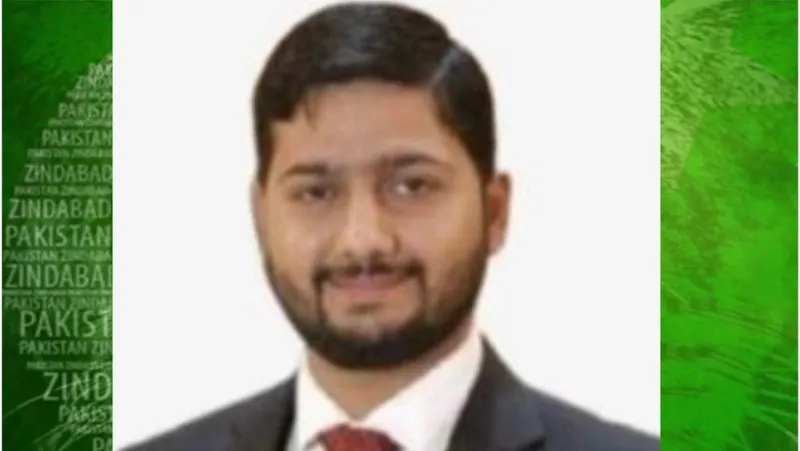
LAHORE (special crosspondent) – Coordinator to the Federal Tax Ombudsman Saif Ur Rehman stated on Sunday that transitioning to renewable energy is a strategic imperative for the future of Pakistan. He emphasized the urgent need to accelerate the shift toward clean, affordable, and sustainable power sources to meet the nation’s escalating energy demands.
During a meeting with a delegation of industrialists, Saif Ur Rehman highlighted that Pakistan holds immense potential in solar, wind, and hydropower sectors. He noted that if these resources are effectively harnessed, the country could significantly reduce its reliance on imported fuels, thereby conserving vital foreign exchange reserves. This focus on domestic energy production is critical for long-term economic stability, much like the LCCI President Stresses Advancing Pakistan’s Digital Printing and Signage Sectors to ensure growth across various industrial verticals.
Expanding Renewable Infrastructure
Saif Ur Rehman asserted that expanding renewable infrastructure will provide a robust foundation for industrial expansion, strengthen energy security, and generate employment opportunities for the nation’s youth. He urged the government to implement consistent, investor-friendly policies, streamline regulatory processes, and foster greater private-sector engagement in energy projects.
Decentralized Energy Solutions
The Coordinator further remarked that the development of decentralized solar systems—particularly for the agricultural sector, small-scale enterprises, and residential consumers—would alleviate pressure on the national power grid while enhancing access to reliable electricity. This shift towards localized power is essential as the nation evaluates its broader regional security and economic cooperation, similar to discussions regarding Messages received from neighboring countries on new regional security and economic cooperation: Qalibaf.
In conclusion, Saif Ur Rehman stressed the necessity of integrating modern technology and research through public-private partnerships. He advocated for a comprehensive, long-term national strategy that ensures effective implementation, ultimately steering Pakistan toward a greener economy and sustainable development.


Comments (2)