Makkah Defence Alliance’s Collective Defence System Will Be Activated in Case of Military Confrontation: DG ISPR
 By hanif sabir
Published: 19 Oct 2026
3 min read
Makkah Defence Alliance’s Collective Defence System Will Be Activated in Case of Military Confrontation: DG ISPR
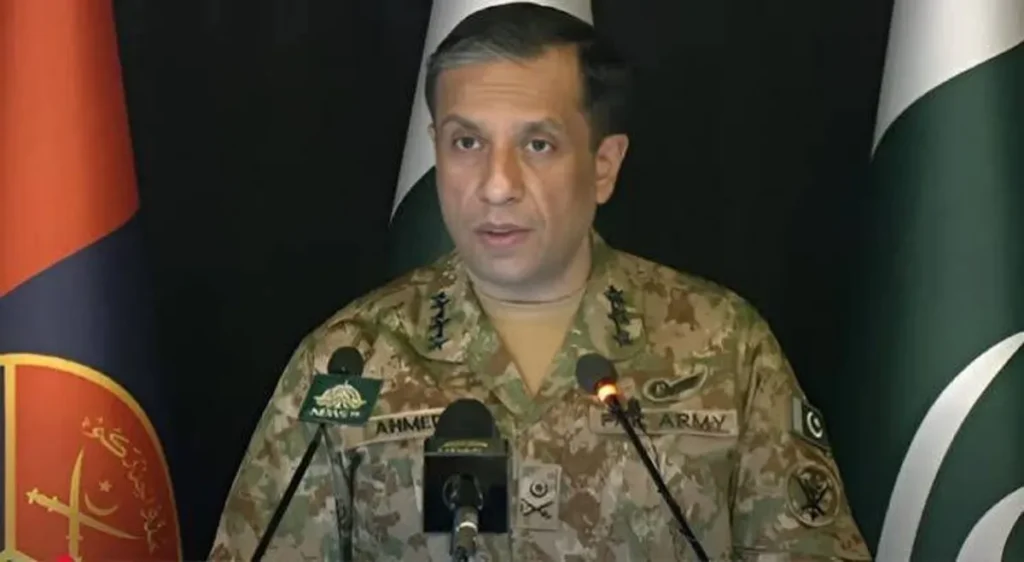
*RAWALPINDI, October 19:* Director General of Inter-Services Public Relations (DG ISPR) Lieutenant General Ahmed Sharif Chaudhry has said that further escalation of the military conflict in the Middle East serves no one’s interests, stressing that a negotiated settlement is essential to prevent the crisis from widening.
In an interview with the Arab broadcaster Independent Arabia, the military spokesperson said that if diplomatic efforts failed and the situation escalated into a military confrontation, the collective defence mechanism of the Makkah Defence Alliance would come into operation.
Lieutenant General Ahmed Sharif Chaudhry said Pakistan’s position on Saudi Arabia’s sovereignty, territorial integrity and the protection of the Two Holy Mosques was unequivocal. He stressed that safeguarding the holy sites was a matter of the highest importance for Pakistan and that no compromise could be made on their security.
The DG ISPR said Pakistan attached great importance to Saudi Arabia’s security and was committed to providing the support required for its defence. He added that attacks threatening Saudi Arabia and its sacred sites had generated strong resentment among the Pakistani public, political leadership and military establishment.
Discussing the Makkah Defence Alliance, he said defence cooperation among Pakistan, Saudi Arabia and Türkiye was progressing rapidly. The arrangement reflected a shared understanding among the three countries and was defensive in nature, aimed at strengthening collective security and preventing threats to regional stability.
He maintained that the alliance was not intended to promote aggression but to reinforce the participating countries’ ability to defend themselves against potential threats. The effectiveness of any defence agreement, he said, would ultimately be judged by its practical outcomes.
Lieutenant General Ahmed Sharif Chaudhry also said Pakistan was engaging with relevant regional stakeholders, including Iran, to encourage restraint, reduce tensions and prevent the conflict from spreading to additional fronts.
He warned that widening the conflict, including through other regional theatres, would further destabilise the Middle East rather than resolve the underlying disputes. Dialogue, restraint and diplomatic engagement remained essential to achieving a lasting settlement.
The military spokesperson said Pakistan, Saudi Arabia and Türkiye shared an interest in regional peace, security and prosperity. Muslim countries, he added, needed greater unity and cooperation rather than confrontation among themselves.
He further noted that operational details concerning the alliance’s defence arrangements and the nature of military assistance were not matters of public disclosure, as such information fell within the domain of operational security.
The interview underscored Pakistan’s position that the security of Saudi Arabia and the protection of the Two Holy Mosques remain key priorities, while diplomatic efforts should continue to prevent a wider regional war.