Ministry and LCCI Unite to Boost Pakistan’s Creative Economy Sector
 By hanif sabir
Published: 19 Oct 2026
3 min read
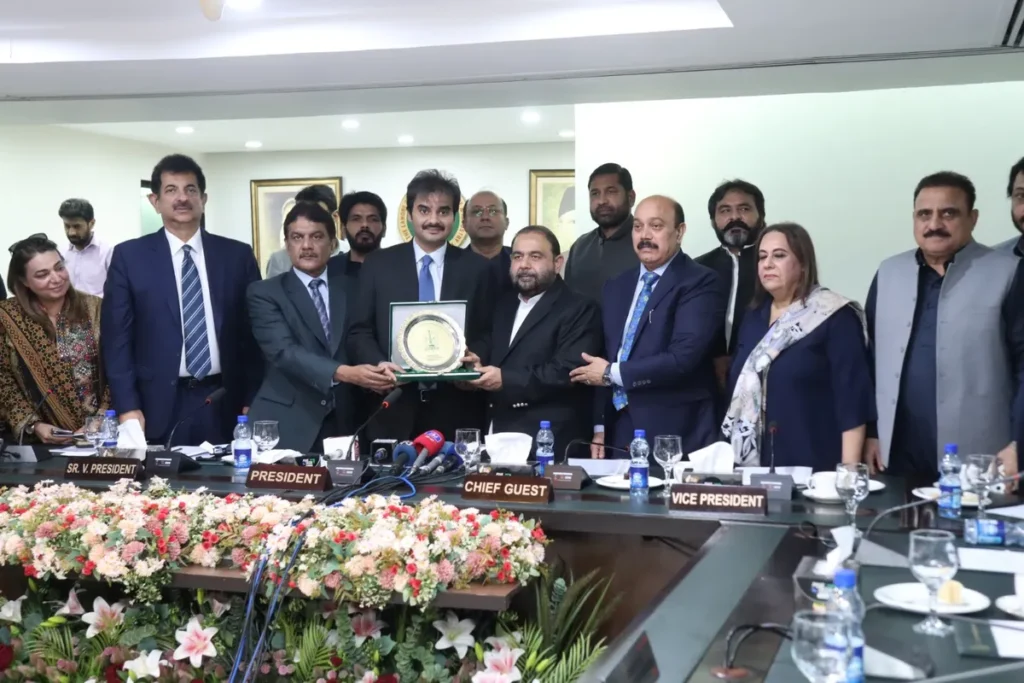
LAHORE (Special Correspondent) – The Ministry of National Heritage and Culture and the Lahore Chamber of Commerce and Industry (LCCI) have announced a collaborative initiative to promote the creative economy, safeguard national heritage, and introduce traditional Pakistani handicrafts to global markets. The partnership was formally discussed during a high-level meeting held at the LCCI headquarters on 19 October 2026, aimed at leveraging cultural assets for economic growth.
Key Points
- The Ministry of National Heritage and Culture and LCCI will collaborate to promote Pakistan’s creative economy and traditional crafts internationally.
- Federal Minister Aurangzeb Khan Khichi stated that the ministry has increased its total Memorandums of Understanding (MoUs) from 23 to 40 within one year.
- Lahore has been designated the Shanghai Cooperation Organisation (SCO) Tourism and Cultural Capital for the 2026–27 period.
- LCCI members proposed that the business community sponsor the preservation and maintenance of historical sites via corporate social responsibility initiatives.
Strategic Goals for the Creative Economy
Federal Minister for National Heritage and Culture Aurangzeb Khan Khichi emphasized that globalizing Pakistan’s cultural heritage is a primary government objective. Highlighting the competitive landscape, he noted that while Pakistan currently has six sites on the UNESCO World Heritage List, nations like India and China hold 30 and 60 sites respectively. He stated that the ministry is currently prioritizing the nomination of two additional historical sites to the UNESCO registry.
The minister revealed that Lahore is set to serve as the Shanghai Cooperation Organisation (SCO) Tourism and Cultural Capital for 2026–27. Plans are underway to host several major cultural events, with participation encouraged from Karachi, Islamabad, and member states. He further highlighted the potential of the ‘Lok Mela’ as a vital platform for showcasing local artisans to international audiences, urging for a formal memorandum with the LCCI to foster skill development and professional training.
Private Sector Integration and Economic Growth
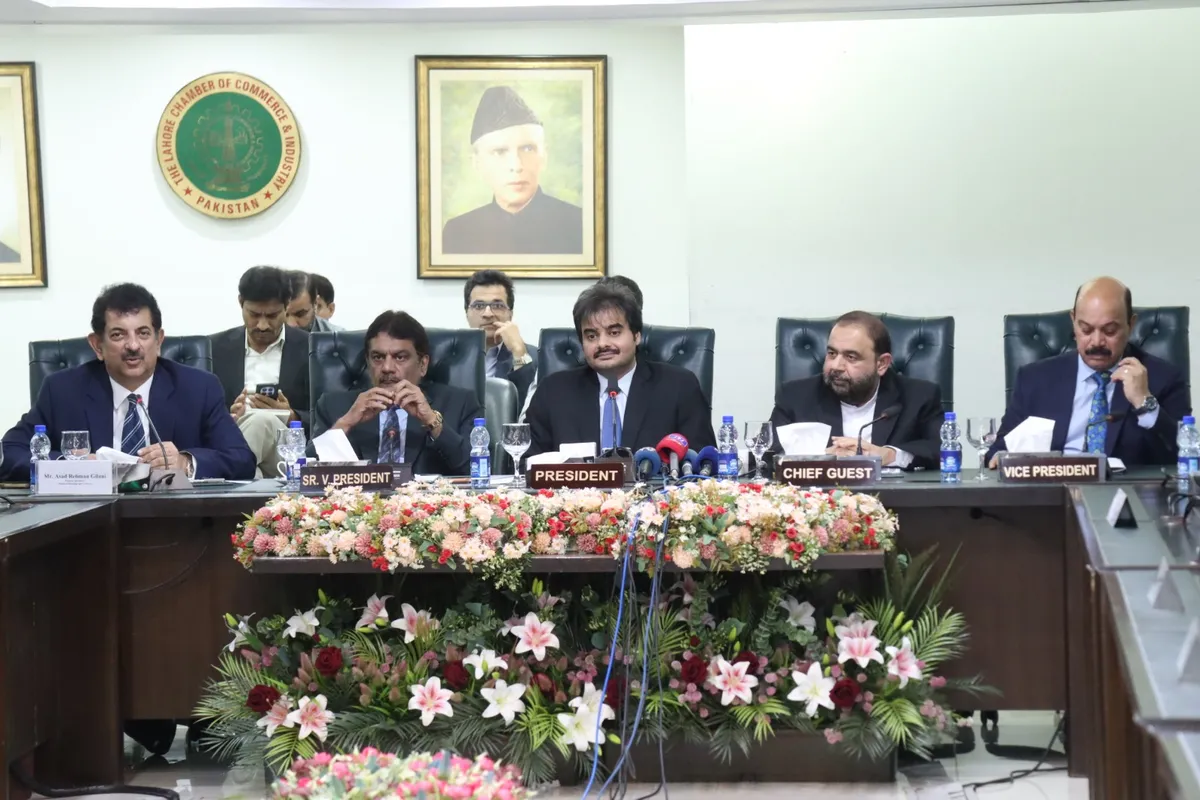
LCCI President Ali Hussam Asghar assured the ministry of the Chamber’s full support, noting that the creative sector could generate substantial economic benefits. He advocated for a unified platform to connect artisans, designers, and exporters, which would enhance the marketability of traditional goods. LCCI Senior Vice President Sardar Usman Ghani and Vice President Chaudhry Khadim Hussain both underscored that linking cultural identity with tourism could significantly boost hospitality, transport, and ancillary business services.
Federal Secretary for National Heritage and Culture Asad Rehman Gilani noted that commodities such as Bahawalpur embroidery, traditional garments, ajrak, jewellery, and truck art hold immense international appeal if modernized. He stressed that by improving service standards, including professional guides and better security, Pakistan can effectively transform its historical sites into primary drivers of economic development. Executive Committee members, including Naila Nadeem, Huma Junaid, and Shah Behram, proposed that the business community utilize corporate social responsibility to maintain and promote historical landmarks, thereby reducing the government’s financial burden.
Frequently Asked Questions
What is the significance of the SCO designation for Lahore?
Lahore has been named the Shanghai Cooperation Organisation (SCO) Tourism and Cultural Capital for 2026–27, a status that will involve hosting several major cultural events to boost tourism.
How does the ministry plan to boost the creative economy?
The ministry plans to collaborate with the LCCI to modernize traditional crafts, implement training workshops for artisans, and conduct more effective global marketing to increase exports.

Comments (1)