Houthis Declare Naval Blockade Of Saudi Arabia Amid Regional Tensions
 By hanif sabir
Published: 21 Jul 2026
2 min read
By hanif sabir
Published: 21 Jul 2026
2 min read
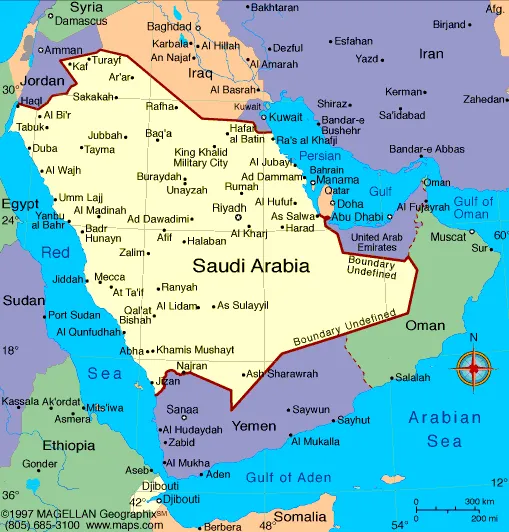
DUBAI (special crosspondent) – Yemen’s Iran-backed Houthi movement has officially declared a naval blockade of Saudi Arabia, marking a significant escalation in regional volatility and sparking urgent concerns regarding global maritime security, international trade, and energy supplies across the Middle East.
Houthi Maritime Embargo Implementation
According to reports, Houthi military spokesperson Yahya Saree announced in a televised address that the group has imposed a maritime embargo on Saudi Arabia with immediate effect. Saree characterized the decision as a direct retaliatory measure against what the group describes as Saudi Arabia’s persistent blockade of Yemen, invoking the principle of “an eye for an eye” to justify the strategic shift. This development serves as a stark reminder of the regional complexities often discussed by international observers.
Strategic Impact and Regional Stability
The Houthis have further cautioned that any continued military escalation by Saudi Arabia would be met with a more robust response. This announcement represents a critical deterioration in bilateral relations, effectively ending the relative calm that had persisted since a 2022 truce, which had previously succeeded in curtailing cross-border hostilities. Analysts are closely monitoring these events, as similar geopolitical shifts often influence global strategic cooperation and trade corridors.
Concerns for the Bab el-Mandeb Strait
The declaration has generated acute concerns regarding the safety of the Bab el-Mandeb Strait, a vital maritime corridor linking the Red Sea with the Gulf of Aden. As one of the world’s most critical shipping arteries, any disruption to this waterway risks causing severe backlogs in international trade, driving up insurance premiums for commercial vessels, and placing immense upward pressure on global energy markets. While Saudi Arabia has not yet provided an official government response, shipping companies are reportedly re-evaluating transit routes and heightening security protocols to mitigate potential risks in the area.
Geopolitical Implications
This latest move highlights the precarious nature of security in the Middle East, where persistent rivalries continue to threaten the stability of maritime supply chains. The international community remains vigilant as the region navigates the potential for wider conflict, which could have far-reaching impacts on economic growth and broader geopolitical stability throughout the upcoming fiscal period.