Pakistan Government Increases Petrol and High Speed Diesel Prices Again
 By hanif sabir
Published: 24 Jul 2026
2 min read
By hanif sabir
Published: 24 Jul 2026
2 min read
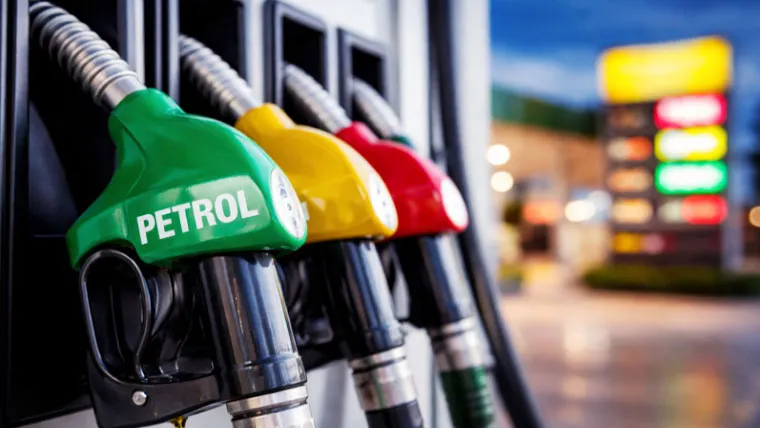
ISLAMABAD (special crosspondent) – The Oil and Gas Regulatory Authority (OGRA) of Pakistan has issued a fresh notification increasing the prices of petroleum products, adding further strain on consumers already grappling with persistent inflationary pressures. The announcement confirms that the Pakistan Government Increases Petrol and High Speed Diesel Prices Again, with the latest adjustments taking effect from midnight.
Revised Fuel Price Structure
According to the official notification issued by the Petroleum Division, the price of High-Speed Diesel (HSD) has been increased by Rs3.62 per litre, reaching a new rate of Rs378.66 per litre. Simultaneously, the price of Motor Spirit (Petrol) has been adjusted upward by Rs4.40 per litre, setting the new price at Rs331.52 per litre. These changes follow a series of upward revisions observed throughout the current month.
Cumulative Impact on Consumers
The latest data indicates that since July 1, 2026, petrol has risen by Rs24.40 per litre, while diesel has seen a substantial cumulative increase of Rs38.62 per litre. Consequently, consumers have been hit by an aggregate increase exceeding Rs63 per litre across these two fuel types in just 24 days. The periodic fluctuations recorded since the start of the month highlight the volatility currently impacting the domestic energy market:
- July 11: Petrol increased by Rs13.18/litre, diesel by Rs13.80/litre.
- July 18: Petrol increased by Rs5.44/litre, diesel by Rs31.05/litre.
- July 22: Petrol increased by Rs4.93/litre, diesel by Rs7.15/litre.
- July 24: Petrol increased by Rs4.40/litre, diesel by Rs3.62/litre.
Economic Implications and Market Reaction
Economists have cautioned that the rapid succession of price hikes—particularly the significant surge in diesel costs—will likely have a cascading effect on national economic indicators. As fuel serves as a critical input for transportation, agriculture, and manufacturing, stakeholders anticipate a direct rise in the cost of food and essential commodities. Government representatives maintain that these revisions are dictated by external factors, including fluctuating international crude oil prices, rising import expenditures, and the broader impact of regional geopolitical tensions on global energy supplies. While the government emphasizes its commitment to a market-aligned pricing mechanism, various trade unions, transport associations, and consumer advocacy groups continue to urge a reduction in petroleum levies to mitigate the rising cost of living for the general public.