Harvesting Rainwater from Rooftops Could Reduce Urban Heat and Air-Conditioning Demand
 By hanif sabir
Published: 09 Aug 2026
2 min read
By hanif sabir
Published: 09 Aug 2026
2 min read
Harvesting Rainwater from Rooftops Could Reduce Urban Heat and Air-Conditioning Demand
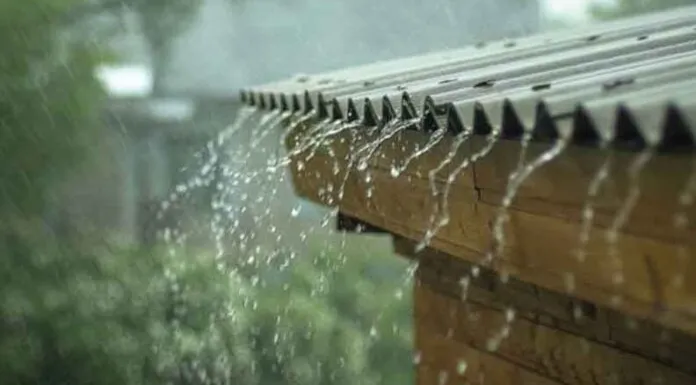
ISLAMABAD: A new study has found that collecting rainwater from rooftops and using it to cool buildings during periods of extreme heat could help reduce urban temperatures, the number of heatwave days and demand for air conditioning.
Researchers at the University of Manchester used Tokyo as a case study to model a system in which rainwater collected from rooftops is stored in tanks and automatically sprayed over roofs during hot weather.
According to the study, evaporation of the water cools the roof surface and reduces the amount of heat transferred into buildings, potentially lowering air-conditioning demand and electricity consumption.
Researchers said reduced use of air conditioning could provide an additional benefit by cutting the amount of waste heat released from buildings into the surrounding environment, potentially helping reduce overall urban temperatures and the intensity of heatwaves.
The study also found that the timing of the cooling system could be more important than the size of the water storage tank or the volume of water used. Activating the system when a roof reaches a specific temperature could deliver significant cooling benefits, while larger tanks offered only limited additional gains. Excessive water spraying did not necessarily result in greater cooling.
Dr Zhonghua Zheng of the University of Manchester said cities around the world were facing increasingly severe heat. While air conditioning provides protection from extreme temperatures, it consumes large amounts of energy and releases additional heat into urban environments. Using harvested rainwater strategically for cooling could help reduce both energy demand and urban temperatures, he said.
The study suggested that the benefits of the system could become more significant during hotter years. Rainwater harvesting could also help reduce surface water runoff and pressure on urban drainage systems during periods of heavy rainfall.
According to the International Energy Agency, global electricity consumption for space cooling reached around 2,100 terawatt-hours in 2022, accounting for about 7% of global electricity consumption that year.
The study also highlighted other measures to combat urban heat, including cool roofs. A 2024 study found that widespread use of white or reflective roofs in London could have reduced the city’s average temperature by around 0.8 degrees Celsius between June and August.
Researchers said rooftop rainwater cooling systems could potentially be incorporated into urban planning, depending on local weather conditions, water availability and costs.