Saudi Arabia Converts Date Palm Waste Into Sustainable Industrial Products
 By hanif sabir
Published: 23 Aug 2026
2 min read
By hanif sabir
Published: 23 Aug 2026
2 min read
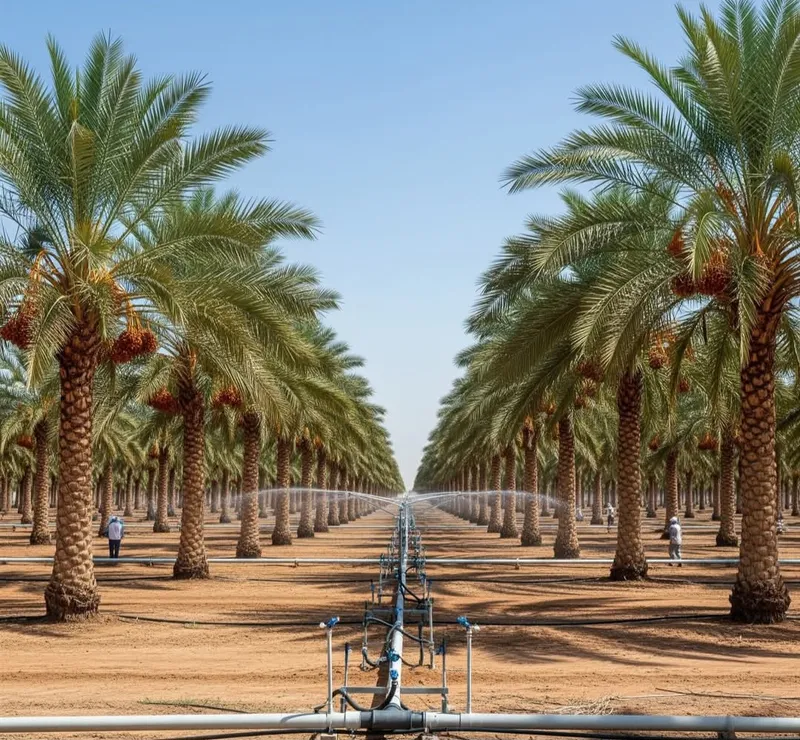
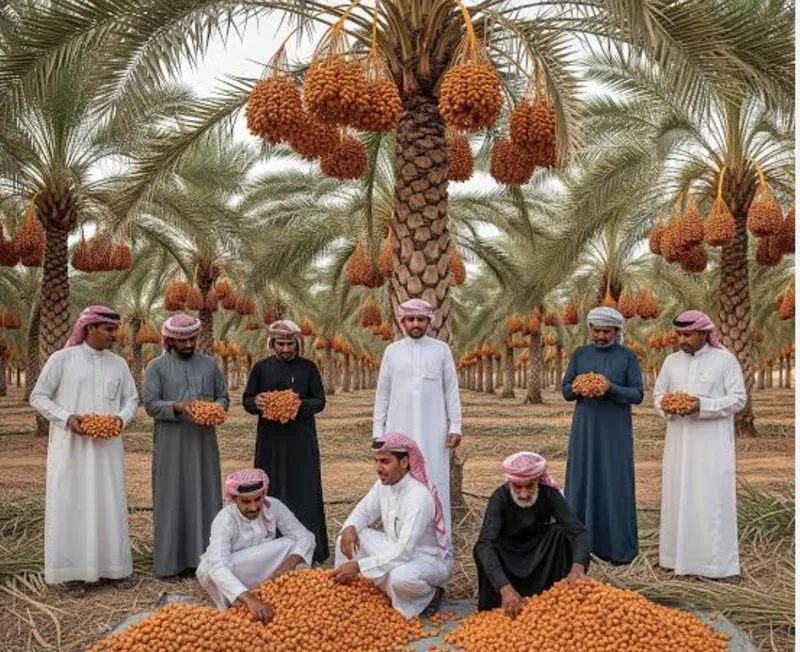
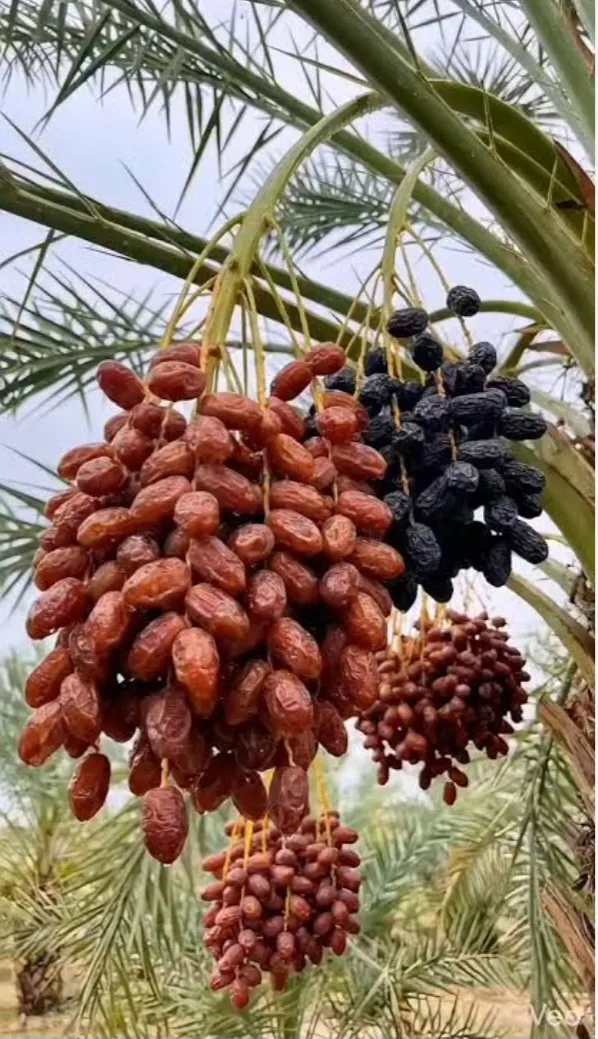
RIYADH (special crosspondent) – Saudi Arabia is actively pioneering new technologies to convert vast quantities of agricultural waste from its date palm sector into high-value industrial materials. With the nation home to approximately 37 million date palm trees and an annual production exceeding 1.9 million tonnes of dates, the resulting agricultural residue is being repositioned as a strategic economic asset rather than an environmental liability. This shift toward a circular economy mirrors broader regional efforts to optimize resource efficiency, similar to recent discussions on renewable energy strategies that are gaining traction globally.
Transforming Palm Residue Into Engineered Wood

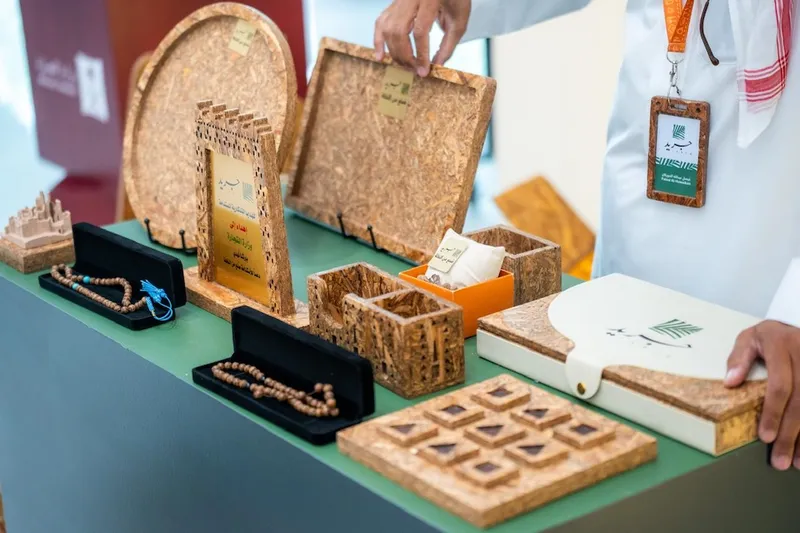
Faisal Al-Huwaikan, CEO of the Saudi firm Jareed Al-Mustaqbal, emphasized that the economic utility of the date palm extends significantly beyond fruit production. The company currently processes dried palm branches by cleaning and compressing them under controlled temperatures. This process results in the creation of durable boards utilized for furniture, decorative souvenirs, and household trays. Beyond timber-alternatives, researchers at Aramco have identified unique properties in date palm seeds, developing a material that effectively mitigates the loss of drilling fluids during energy sector operations.

Advancing Biodegradable Plastics and Innovation
The transition toward sustainable manufacturing is further evidenced by the work of companies like Polymeron. CEO Rodrigo Jimenez Sandoval noted that Saudi Arabia generates roughly 3 million tonnes of plastic waste annually. Polymeron utilizes a combination of mechanical and chemical processing to convert agricultural waste into biodegradable plastic pellets. Unlike some oxo-degradable variants that degrade into harmful microplastics, these bio-based materials are designed for full decomposition. While the integration of new technology remains capital-intensive, the localized nature of the raw material supply chain offers a competitive edge over imported alternatives.
Economic Impact and Future Outlook
The potential environmental gains are significant; Polymeron estimates that replacing conventional plastics with bio-alternatives in the Jeddah market alone could prevent the release of 44,000 tonnes of carbon dioxide annually. With over 123,000 date farms and 157 processing factories across the Kingdom, the scaling of this technology promises to foster new business verticals in waste management and logistics. While high costs for advanced machinery and research remain a barrier to entry, the initiative underscores the Kingdom’s commitment to industrial diversification and the support for sustainable economic growth.