Deputy Prime Minister Ishaq Dar Meets IMO Chief in London
 By hanif sabir
Published: 24 Aug 2026
2 min read
By hanif sabir
Published: 24 Aug 2026
2 min read
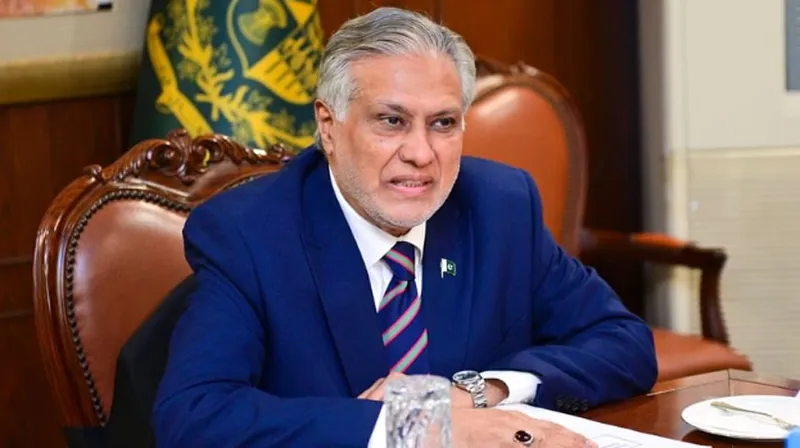
LONDON (special crosspondent) – The Deputy Prime Minister and Foreign Minister, Senator Mohammad Ishaq Dar, held a high-level meeting with Mr. Arsenio Dominguez, Secretary-General of the International Maritime Organization (IMO), in London today. During the discussions, Senator Dar reaffirmed Pakistan’s longstanding commitment to the IMO, underscoring the nation’s appreciation for its role as the primary international regulatory body tasked with ensuring safe, secure, and efficient global shipping practices.
A critical focus of the meeting was the welfare of Pakistani nationals currently in distress at sea. The Deputy Prime Minister expressed his gratitude to the Secretary-General for his ongoing support in facilitating the safe release of 10 Pakistani seafarers held captive aboard the vessel MT Honour 25. Highlighting the urgency of the situation, Senator Dar called for robust and immediate institutional intervention to ensure the swift and safe return of all the detained crew members.
Advancing Maritime Governance and the Blue Economy
In addition to security concerns, the discussion covered a broad spectrum of cooperation between Pakistan and the IMO. Senator Dar highlighted the country’s proactive initiatives to strengthen maritime governance, integrate international maritime standards, and drive the expansion of Pakistan’s blue economy. Similar to Pakistan’s ongoing regional dialogues, such as when DPM Ishaq Dar holds telephone conversation with Uzbek foreign minister to advance strategic partnerships, this engagement focused on bolstering institutional capacity.
Both sides expressed a firm commitment to enhancing bilateral cooperation in areas including maritime safety, security protocols, regulatory reforms, and the overall modernization of Pakistan’s maritime sector. The meeting concluded with a mutual agreement to continue dialogue to ensure that Pakistan remains aligned with evolving global maritime standards while protecting the interests of its workforce and economic infrastructure.

Comments (1)