Pakistan Needs Sustainable Strategy to Meet Foreign Currency Obligations: Mian Kashif Ashfaq
 By hanif sabir
Published: 25 Oct 2026
2 min read
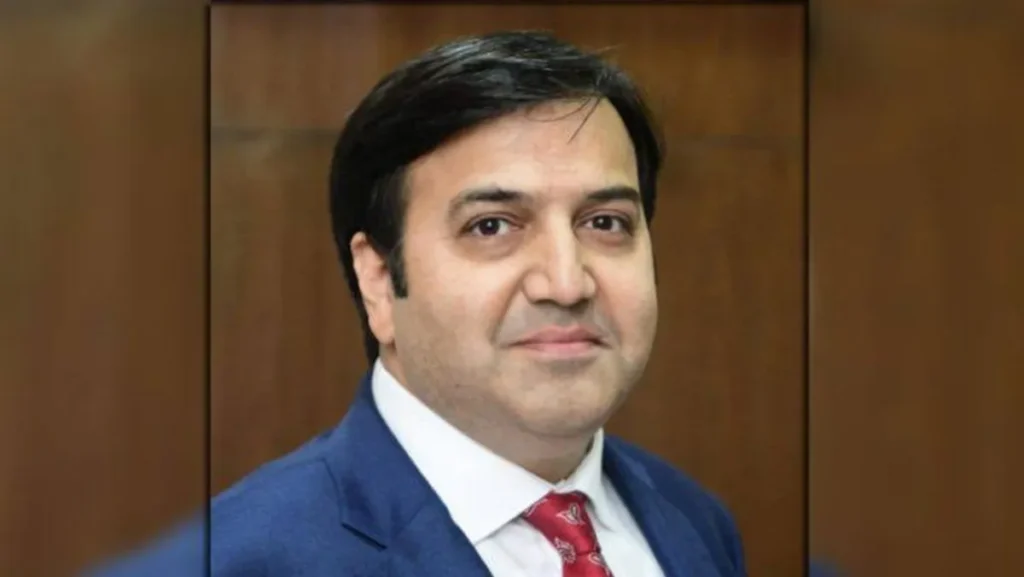
Pakistan Needs Sustainable Strategy to Meet Foreign Currency Obligations: Mian Kashif Ashfaq
LAHORE, October 25: Chief Executive Officer of the Pakistan Furniture Council (PFC), Mian Kashif Ashfaq, recipient of the Tamgha-i-Imtiaz, has welcomed the government’s efforts to strengthen Pakistan’s external sector through diversified financing sources, higher foreign exchange reserves and improved access to international capital markets.
Chairing a meeting of the Board of Directors of the Pakistan Furniture Council here on Sunday, he said Pakistan needed a more reliable and sustainable strategy to meet its foreign currency obligations.
He observed that Pakistan’s access to international capital markets had improved significantly in recent months, as reflected by the issuance of Panda Bonds and Eurobonds during the current year.
He said diversifying creditors and financing channels could help reduce dependence on individual lenders, while the government’s focus on export-led growth, IT exports and improving economic competitiveness was also encouraging. However, the real challenge was to translate these ambitions into sustainable economic results.
Mian Kashif Ashfaq said foreign exchange reserves provided an important financial buffer, while fiscal discipline had helped restore economic confidence. However, reserves could come under pressure due to external debt repayments, energy imports and capital outflows.
He pointed out that primary budget surpluses did not include interest payments, which consumed a substantial portion of government revenue. Both higher reserves and fiscal discipline were important achievements, but neither could substitute for stronger export earnings.
He said geopolitical tensions and volatility in international energy prices had further complicated Pakistan’s economic outlook. The country needed affordable energy, competitively priced industrial inputs, a diversified export base and policies that encouraged domestic and foreign investment.
Emphasising the need to transform the export sector, he said Pakistan’s textile industry must move towards higher-value-added products to enhance export earnings. Similarly, information technology, agricultural processing and other tradable sectors required consistent policy support to unlock their full potential.
Concluding his remarks, Mian Kashif Ashfaq said the ultimate test of Pakistan’s economic strategy was to develop a strong and productive economy capable of financing a greater share of its own financial requirements rather than remaining heavily dependent on external borrowing.

Comments (1)