Pakistan’s Renewed Diplomatic Relevance in an Emerging Multipolar World Order
 By hanif sabir
Published: 26 Nov 2026
3 min read
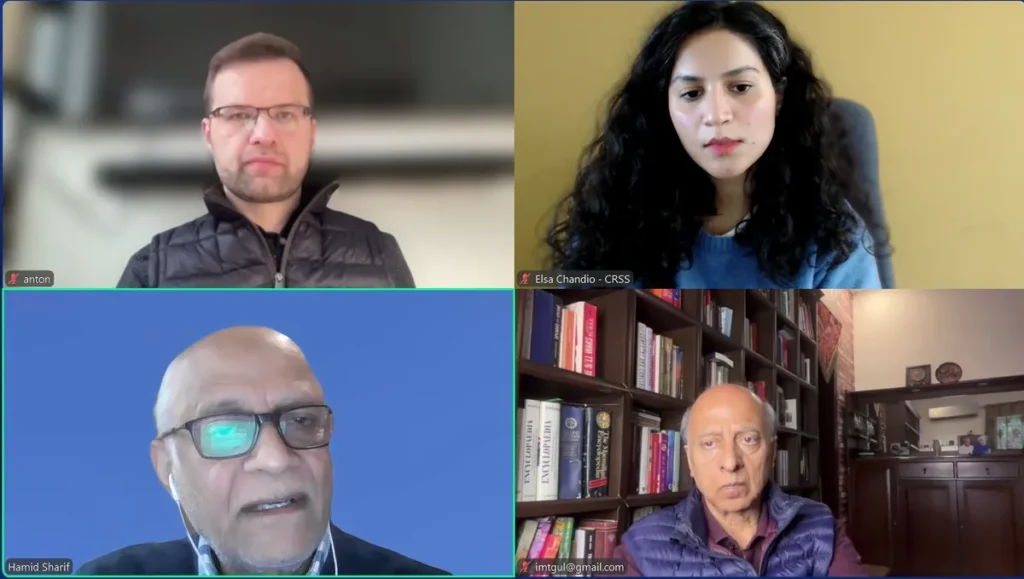
ISLAMABAD (Special Correspondent) – Pakistan’s renewed diplomatic relevance in an emerging multipolar world order provides significant opportunities for the nation, according to experts discussing the shifting global landscape. During a recent panel discussion hosted by the Center for Research and Security Studies (CRSS), analysts noted that while Pakistan has regained stature as a mediator, converting this influence into long-term economic and strategic growth necessitates structural reforms and balanced foreign policy.
Key Points
- Pakistan’s role as a mediator in international conflicts has significantly improved its global diplomatic standing.
- Experts suggest Pakistan must institutionalize diplomatic successes rather than relying solely on individual engagements.
- Transitioning from a unipolar to a multipolar world provides Pakistan with greater strategic autonomy and diversification options.
- The current dynamic between Pakistan and Russia is characterized by active political engagement but limited economic cooperation.
- Regional stability remains challenged by security concerns regarding Afghanistan, including militancy and human rights restrictions.
Strategic Leveraging in a Changing Global Order
The panel, titled “Russia, China and the United States: Strategic Convergence, Rivalry and the Changing World Order,” featured insights from international analysts. Anton Bespalov, Programme Director at the Moscow-based Valdai Discussion Club, addressed recent trilateral engagements, noting that global powers remain willing to dialogue despite deep strategic differences. He encouraged middle powers like Pakistan to leverage their historical experience, citing the nation’s past role in facilitating US–China rapprochement in the 1970s.
Hamid Sharif, former Managing Director at the Asian Infrastructure Investment Bank (AIIB) and former Asian Development Bank (ADB) Country Director for China, highlighted that Pakistan’s mediation in the US–Iran conflict was a turning point. He stated, “Pakistan’s role as a mediator, as a diplomatic hub, will always be respected and appreciated by other actors.” However, Sharif cautioned that sustainable success requires domestic political will to implement overdue structural reforms to attract diverse investments from Chinese, European, and American partners.
Economic Cooperation and Regional Security
The discourse also touched upon the complex nature of Pakistan–Russia relations, which Bespalov described as “very hot politics and very cold economics.” Bridging this gap remains a priority to ensure that diplomatic engagement translates into tangible prosperity. Furthermore, the experts scrutinized the security landscape in Afghanistan, noting that while Russia is engaging the Taliban for security interests in Central Asia, broader international recognition is currently hampered by concerns regarding religious radicalism and the denial of education to women.
Imtiaz Gul, Executive Director of CRSS, concluded the session by lamenting the decline of multilateralism. He argued that the selective application of international norms by global powers undermines institutions like the United Nations and the International Criminal Court (ICC), necessitating a push for a more equitable global framework. The event underscored the critical need for Pakistan to navigate these complexities through informed, non-partisan geopolitical discourse.
Frequently Asked Questions
How can Pakistan benefit from the current multipolar world order?
Pakistan can benefit by utilizing its increased strategic autonomy to diversify investment and trade partnerships between Chinese, European, and American businesses while institutionalizing its role as a diplomatic mediator.
What is the primary economic challenge in Pakistan–Russia relations?
The primary challenge is that the relationship currently features high-level political engagement but lacks sufficient tangible economic cooperation, which experts describe as “very hot politics and very cold economics.”

Comments (1)