Driverless Electric Trucks Hit US Roads, Begin Commercial Freight Deliveries
 By hanif sabir
Published: 08 Oct 2026
2 min read
Driverless Electric Trucks Hit US Roads, Begin Commercial Freight Deliveries
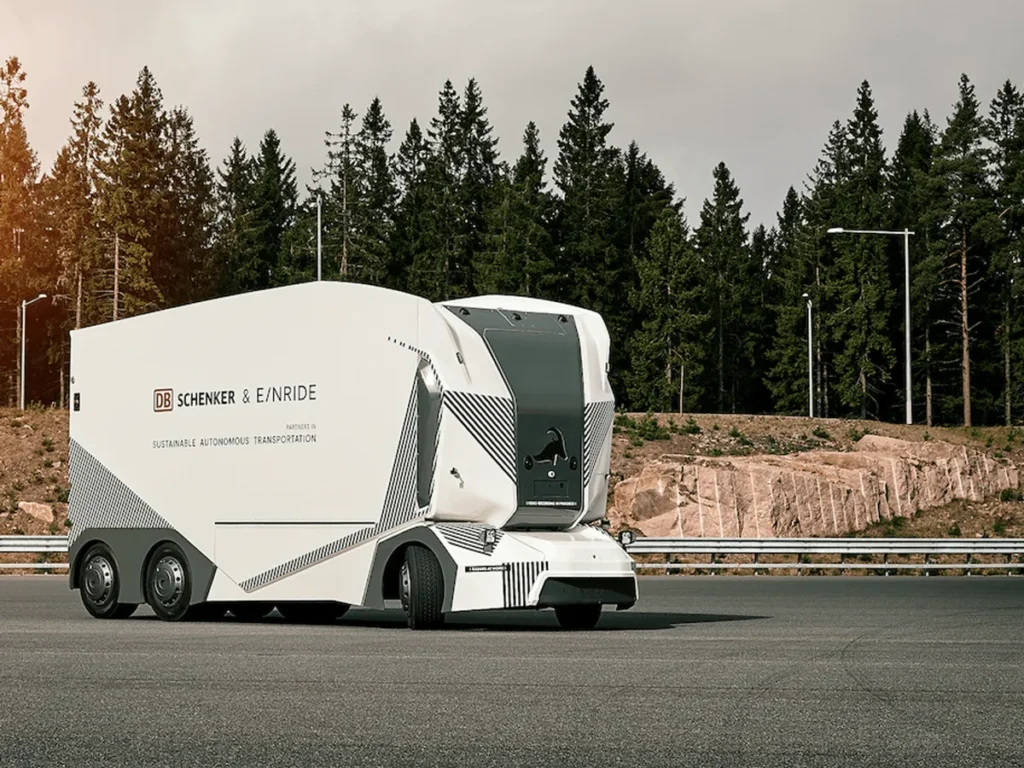
WASHINGTON: Driverless electric trucks have officially begun operating on US roads, transporting commercial freight on a daily basis in what is being described as a significant development in the field of autonomous transportation.
Swedish autonomous transportation technology company Einride and US logistics company EASE Logistics said two driverless electric trucks are now operating daily in Marysville, Ohio, moving freight between designated locations as part of EASE Logistics’ operations.
The trucks use SAE Level 4 autonomous driving technology and do not have a conventional driver’s cabin or steering wheel. Instead, remote operators based in Austin, Texas, monitor the vehicles and can intervene when necessary.
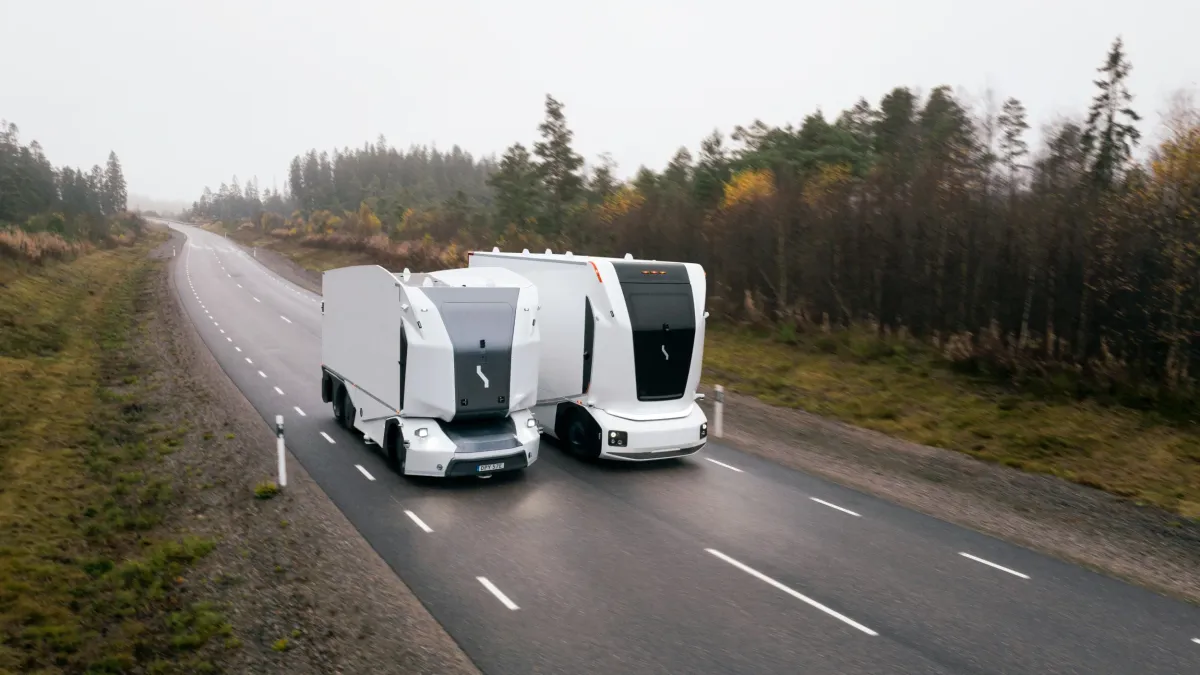
According to the companies, the autonomous trucks are transporting EASE Logistics’ freight along designated routes while data is being collected on safety, operational performance and the practical capabilities of autonomous trucking technology.
Einride Chief Technology Officer Henrik Green said operating driverless trucks in real-world traffic and commercial conditions will generate valuable data that could help determine how the technology can be expanded to additional routes and larger-scale freight operations.
EASE Logistics President and Chief Executive Officer Peter Coratola said the transportation industry is undergoing rapid technological change, and the company aims to provide practical data on the real-world use of autonomous trucking technology.
The companies said the Marysville operation will help evaluate the safety, efficiency, utilization and commercial viability of autonomous trucks. The results will be used to assess the possibility of expanding driverless freight operations to additional routes in the future.
The daily movement of commercial freight by driverless electric trucks in Ohio marks a significant step in the evolution of autonomous transportation, demonstrating that the technology is moving beyond experimental projects and into real-world commercial operations.