Governor Punjab Engages LCCI President on Industrial Growth and Challenges
 By hanif sabir
Published: 07 Sep 2026
3 min read
By hanif sabir
Published: 07 Sep 2026
3 min read
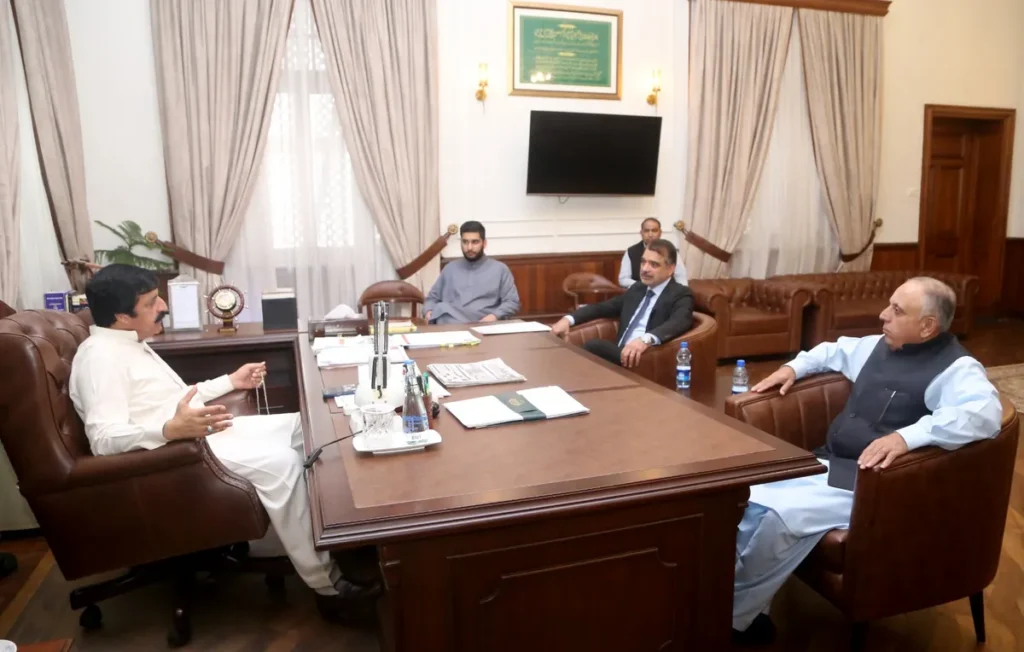
LAHORE (Special Correspondent) – Lahore Chamber of Commerce and Industry (LCCI) President Faheem Ur Rehman Saigol held a high-level meeting with Governor Punjab Sardar Saleem Haider Khan to deliberate on critical measures for fostering industrial growth, overcoming operational challenges, and enhancing the broader business environment across the province.
Governor Punjab Sardar Saleem Haider Khan emphasized that the active inclusion of all stakeholders in the policymaking process remains essential for achieving sustainable industrial development. He stated that government decisions formulated without careful consideration of ground realities fail to yield long-term positive outcomes. Highlighting the administration’s commitment to inclusive governance, the Governor pledged that the government is focusing on comprehensive, consultative policies to proactively address the pressing concerns of the business community.
Commending the business sector for sustaining investments despite challenging macroeconomic conditions, the Governor described their perseverance as a profound demonstration of patriotism. He further assured the delegation that the grievances faced by industrialists would be communicated effectively to the relevant senior authorities for prompt resolution.
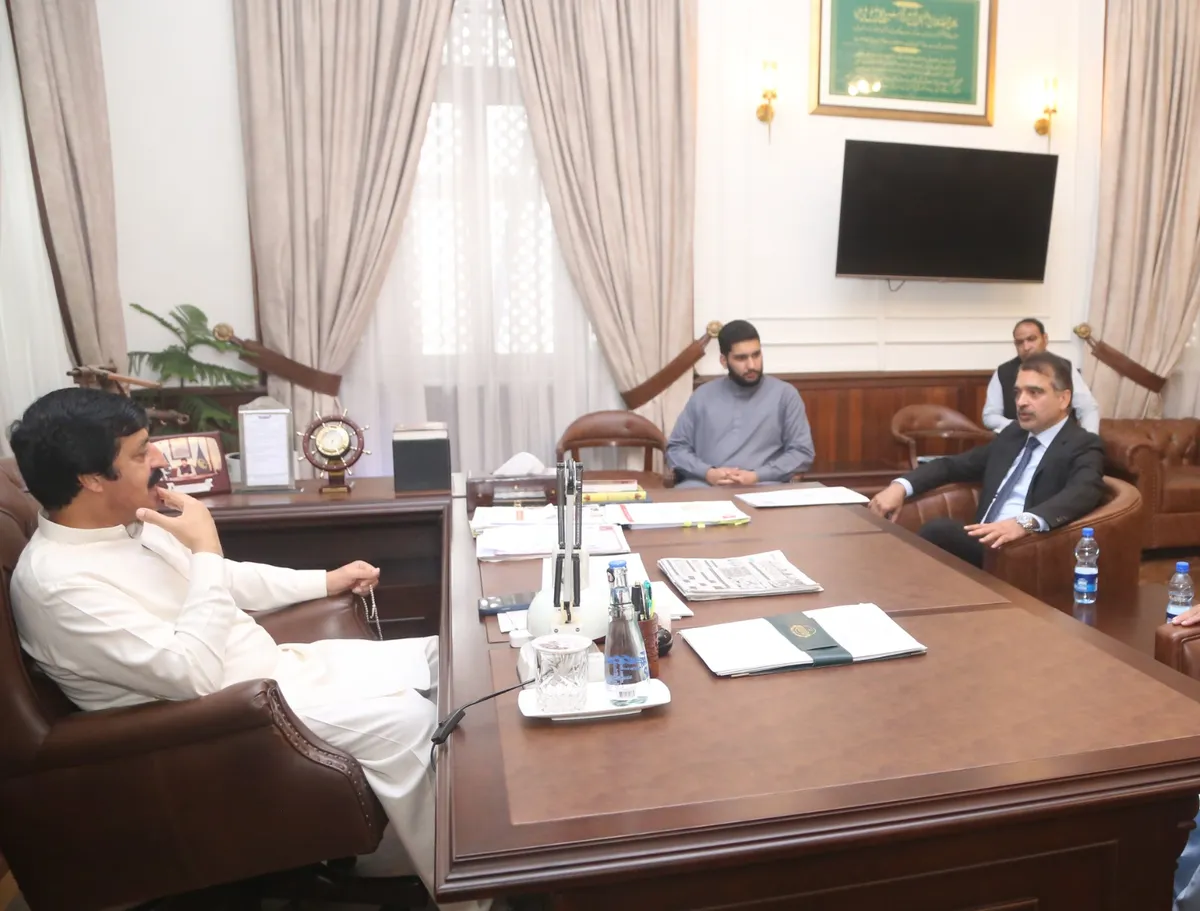
LCCI President Faheem Ur Rehman Saigol expressed his gratitude to the Governor, noting that the responsive nature of the Governor House underscores the government’s sincerity in resolving private-sector issues. He highlighted that over 1,400 industries currently operate across various industrial clusters in Lahore, serving as a vital engine for employment for millions.
The LCCI President raised concerns regarding the sustainability of these operations, citing excessive commercialization fees and administrative bottlenecks as significant hurdles. As noted in discussions surrounding PIDE Calls for Structural Reforms in Pakistan’s New Auto Policy, regulatory alignment is key to industrial stability. Mr. Saigol formally proposed that existing industrial pockets be granted the status of official industrial zones, coupled with a substantial reduction in commercialization fees to protect jobs and ensure the continuity of local production.
Addressing the future of these established zones, the LCCI President stressed that any policy regarding industrial relocation must prioritize the confidence and consultation of the business community. He underscored that industries represent decades of capital investment and institutional hard work; thus, any relocation efforts must account for alternative facility availability, operational cost impacts, and robust infrastructure development. This collaborative approach remains the only viable path to securing long-term economic stability, much like the broader objectives discussed in reports regarding New administrative units: Practical step towards provincial-style structure, 27-member Islamabad Assembly proposed. The meeting concluded with a mutual agreement that the economic contribution of these industries is fundamental to Pakistan’s local trade, export targets, and employment landscape.