Marco Rubio Warns Iran of Unprecedented Action Under President Trump
 By hanif sabir
Published: 02 Aug 2026
2 min read
By hanif sabir
Published: 02 Aug 2026
2 min read
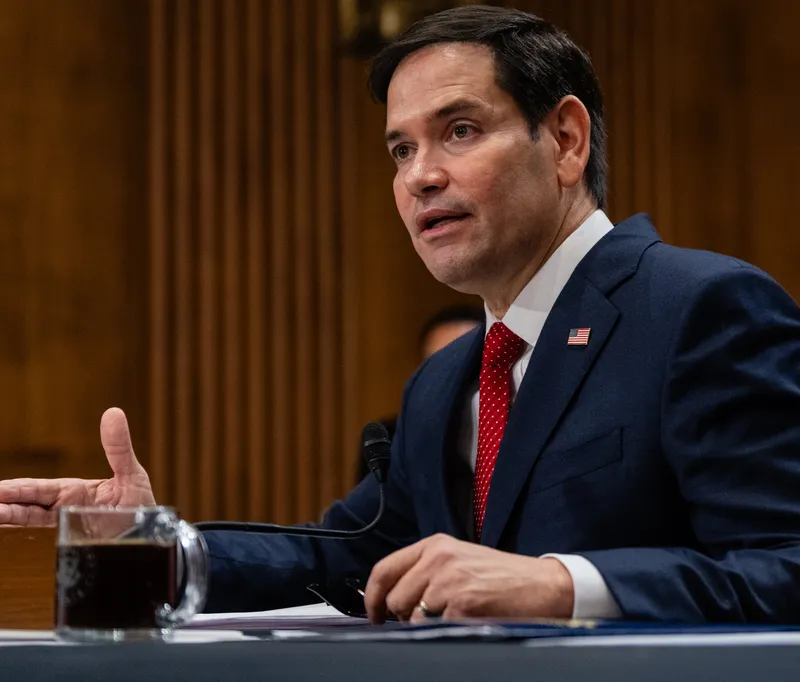
WASHINGTON (special crosspondent) – U.S. Secretary of State Marco Rubio has formally declared that President Donald Trump is prepared to initiate measures against Iran that no previous U.S. administration has ever undertaken. Rubio’s stern warning signals a departure from traditional diplomatic engagement, asserting that Tehran can no longer rely on endless cycles of negotiations to stall for time.
The Shift in U.S. Foreign Policy
Addressing reporters at the White House, Secretary Rubio emphasized that the current administration possesses a unique resolve. “I do not believe Iran has ever faced a president like Donald Trump,” Rubio stated, highlighting that the era of open-ended diplomacy without tangible consequences has concluded. This comes as the international community observes Trump’s orders for new strikes on Iran, underscoring a hardening of Washington’s stance toward the Islamic Republic.
Stalled Diplomacy and Consequences
Rubio accused the Iranian leadership of utilizing decades-old tactics to mislead the international community, citing repeated violations of agreements as a primary concern. He clarified that while Washington maintains a preference for diplomatic channels, the administration will not tolerate the use of negotiations as a shield for regional instability. If diplomacy is deemed ineffective, the White House is prepared to leverage every available tool to secure American interests and protect its regional allies.
Strategic Pressure on Tehran
The intensifying rhetoric arrives amidst significant volatility surrounding Iran’s nuclear program and broader security developments in the Middle East. While some observers have noted that Iran has won the war, parliament speaker Ghalibaf declares, Washington remains focused on securing a verifiable and enforceable agreement. U.S. officials maintain that Tehran must return to substantive engagement or continue to bear the economic and political costs of its current posture. The administration’s ultimate goal remains a comprehensive deal that addresses both nuclear proliferation and regional aggression, though it continues to evaluate the effectiveness of its existing governance model in managing such complex geopolitical crises.