Pakistan Must Add Value to Critical Minerals to Boost Exports, Meet Global ESG Standards: Mian Kashif Ashfaq
 By hanif sabir
Published: 27 Sep 2026
2 min read
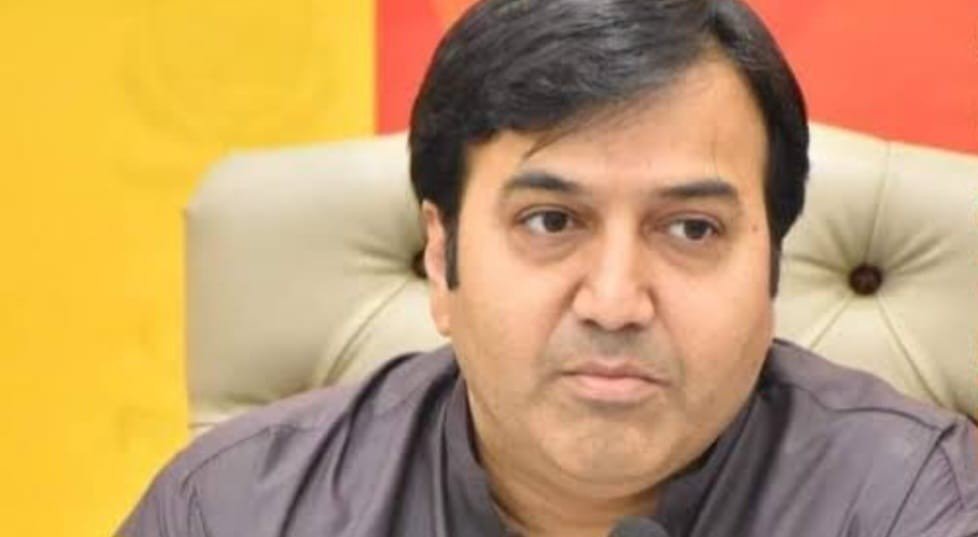
LAHORE, Sept 27: Chief Executive Officer of the Pakistan Furniture Council Mian Kashif Ashfaq, Tamgha-i-Imtiaz, on Sunday said Pakistan must focus on value addition of its critical minerals to boost exports and meet global environmental, social and governance (ESG) standards instead of relying on exports of raw materials.
Addressing a meeting of the council’s Board of Directors here today, he said transforming raw minerals into processed and value-added products could help increase foreign exchange earnings and contribute to sustainable economic growth.
He said the real opportunity lay in developing processed, value-added and ESG-compliant mineral products, adding that mineral exports in the form of raw materials alone could not drive meaningful economic transformation.
Mian Kashif called for a shift from raw mineral extraction towards integrated and ESG-compliant value chains. He said a harmonised national mineral policy, transparent regulatory framework, technology-enabled oversight and strategic international partnerships were essential to convert Pakistan’s mineral wealth into sustainable economic growth, industrial diversification and higher foreign exchange earnings.
He stressed the need for policy consistency, institutional coordination and sustainable mineral governance to fully capitalise on the country’s mineral potential.
He said emerging partnerships with interested foreign countries could provide a strong framework for responsible exploration, processing and refining by leveraging technical expertise and access to international markets.
By focusing on strategically important critical minerals and incorporating ESG principles throughout the value chain, he said Pakistan could strengthen bilateral cooperation, improve investor confidence and establish itself as a responsible participant in global critical mineral supply chains and the clean-energy transition.
Mian Kashif emphasised that removing regulatory and other bottlenecks was essential for building investor confidence and unlocking Pakistan’s mineral potential, which he said was roughly estimated at $8 trillion.