PIDE Sets Out Six-Point Roadmap to Unlock Pakistan’s Export Potential
 By hanif sabir
Published: 17 Oct 2026
4 min read
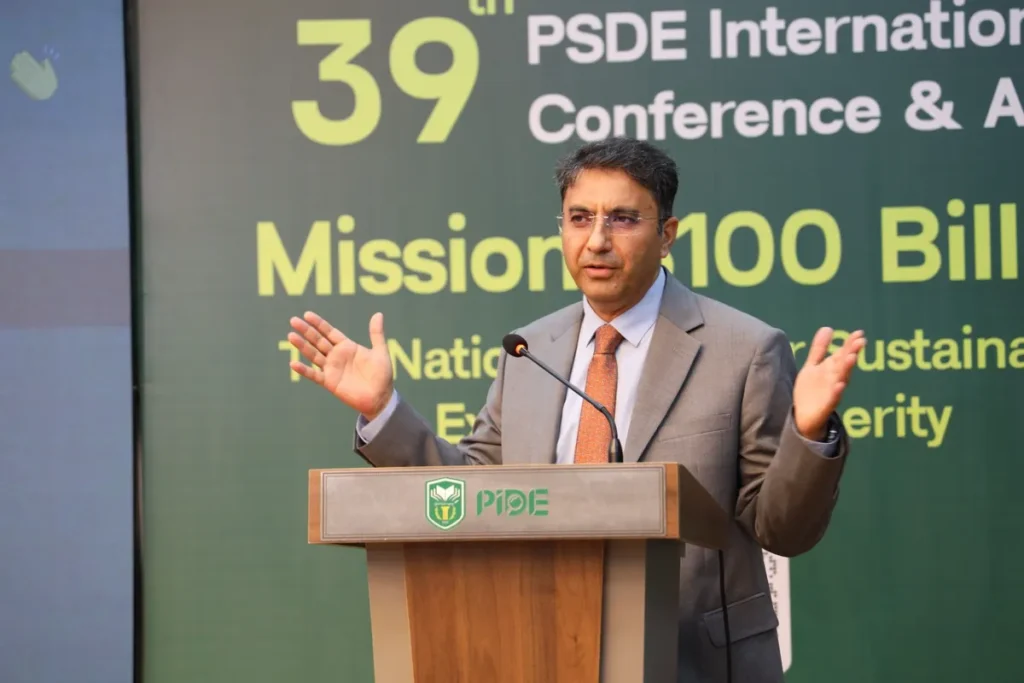
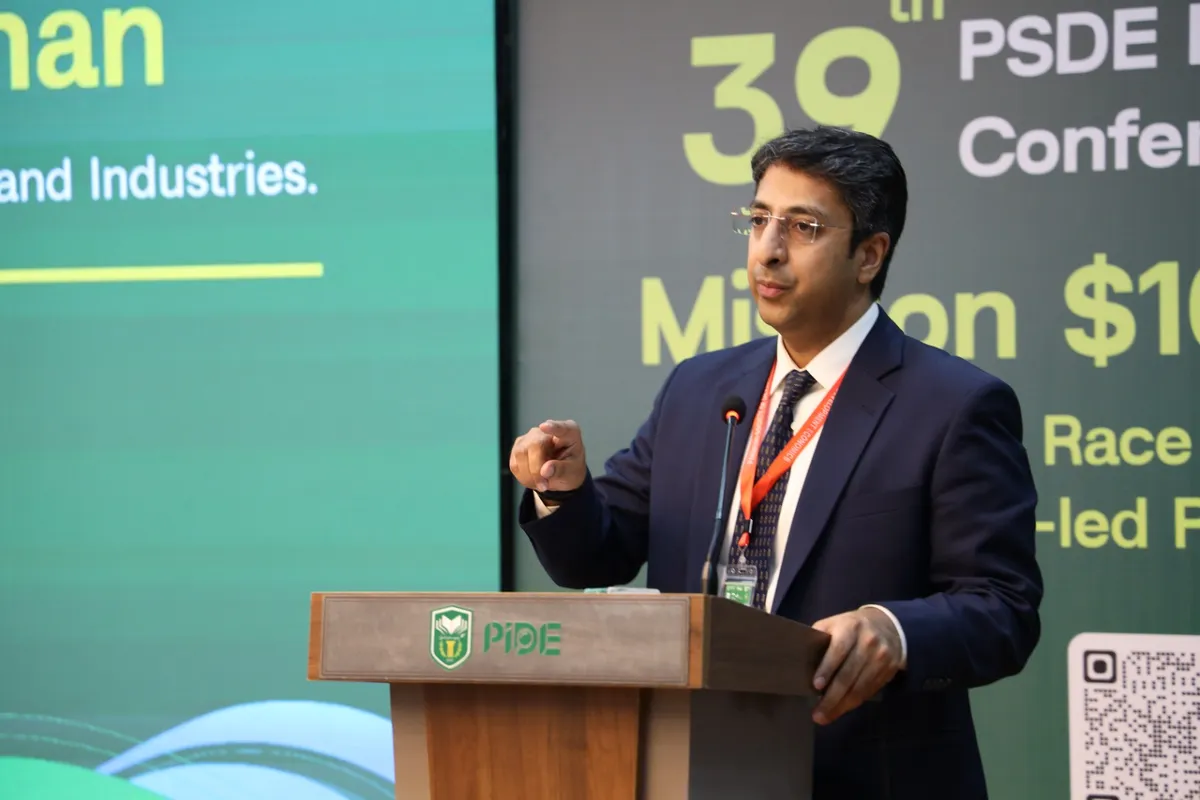
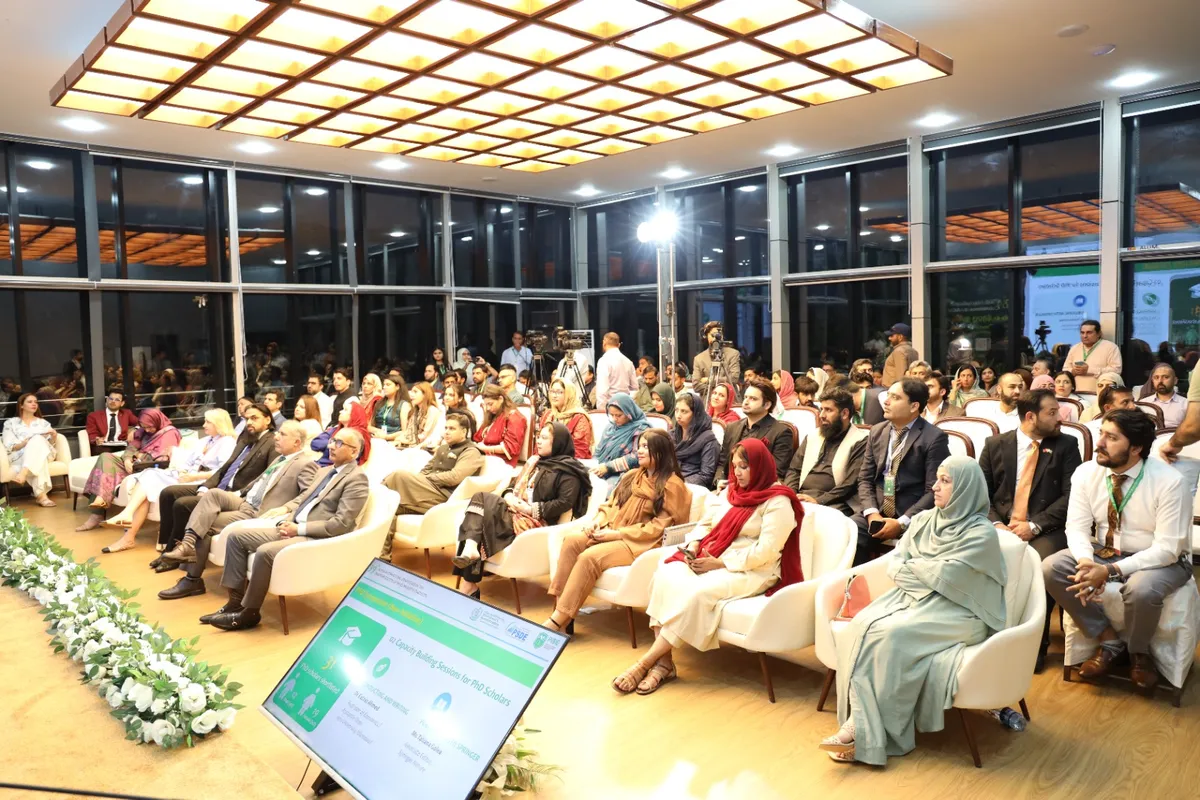
ISLAMABAD (Special Correspondent) – Pakistan must fast-track structural reforms, cut trade-related costs and broaden its export base to achieve sustainable, export-led growth, speakers said at the close of the 39th International Conference of the Pakistan Society of Development Economists (PSDE), hosted by the Pakistan Institute of Development Economics (PIDE). The conference focused heavily on the PIDE sets out six-point roadmap to unlock Pakistan’s export potential, aiming to address the long-standing stagnation in the country’s trade performance.
Key Points
- Pakistan’s GDP has doubled over the past 15 years, yet export volumes have remained largely stagnant.
- The conference introduced a six-point reform agenda focusing on policy continuity, tariff rationalization, and digital infrastructure.
- Government officials announced the National Tariff Policy 2025–30, aiming to cap customs duties at 15 per cent.
- Experts suggested that improving Single Window integration could reduce trade costs by 10–14 per cent.
- Research papers presented at the event highlighted the potential for AI-enabled agriculture and creative industries to drive growth.
Strategic Reforms for Export-Led Growth
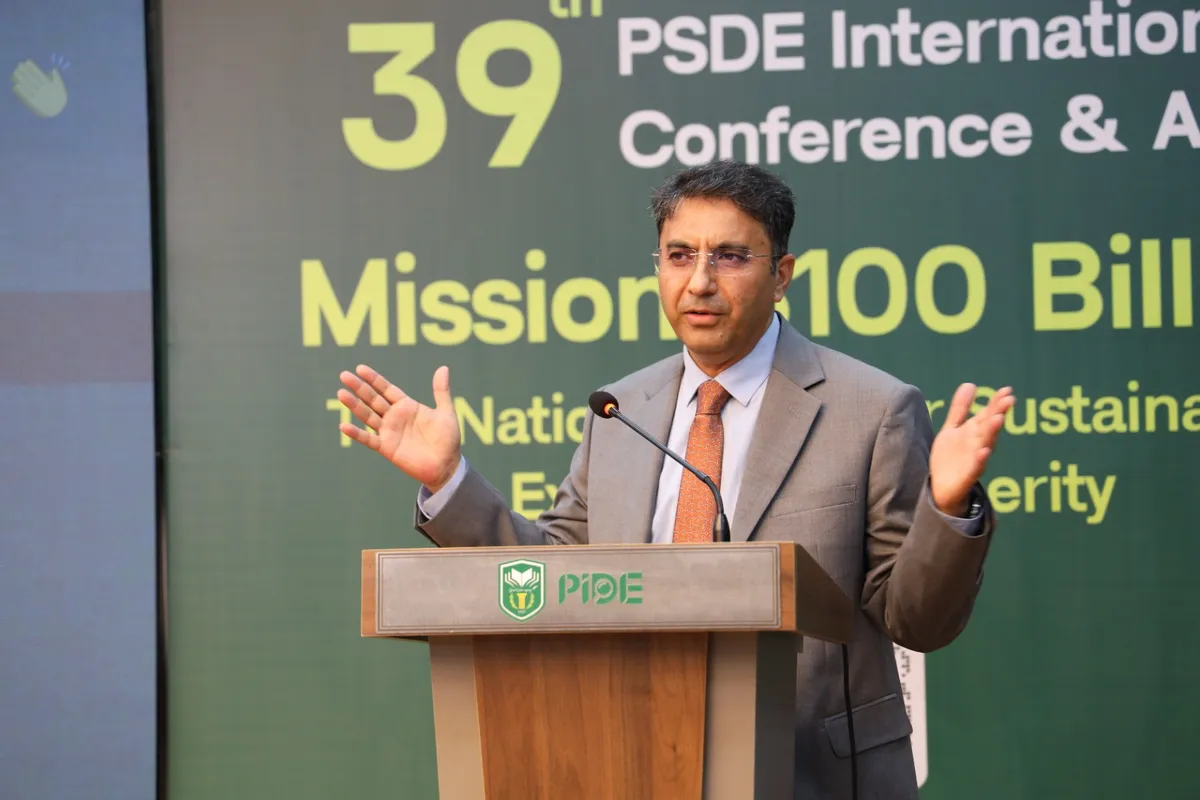
Chief guest Rana Ihsaan Afzal Khan, Coordinator to the Prime Minister on Commerce and Industries, said the National Tariff Policy 2025–30 would rationalise some 7,500 tariff lines and cap customs duty at 15 per cent. Around 500 regulatory requirements are under review, SME financing is set to double from PKR 1 trillion to PKR 2 trillion, and procedures are being streamlined through the Trade Facilitation Board and Pakistan Single Window. He named ICT, artificial intelligence, agriculture, minerals and the blue economy as the key drivers of export diversification. Meanwhile, hunger crisis deepens in agricultural Pakistan, underscoring the urgent need for productivity improvements that researchers hope to address through these reforms. Dr. Faheem Jehangir, Dean (Policy), PIDE, and Secretary, PSDE, presented the key takeaways, pointing to a stark imbalance where Pakistan’s exports have failed to track with GDP growth. He attributed this to policy discontinuity, political uncertainty, and high logistics costs.
The Six-Point Roadmap
The conference put forward six reform priorities: sustaining URAAN Pakistan beyond political cycles; tariff reform and strategic free trade agreements; rationalising logistics oversight and strengthening the Pakistan Single Window and Corridor Export Coordination Cells; safeguarding investors through adequate foreign exchange reserves, risk-hedging and simpler regulation; upgrading exporters through export-oriented investment and SME clusters; and building new growth engines in AI-enabled agriculture, ICT, the blue economy, tourism and creative industries. Better Single Window integration and corridor coordination alone could lower trade costs by 10–14 per cent, while some 5,000 new SMEs could add US$2.5 billion in exports. As the government reviews these initiatives, Punjab Assembly Speaker Assures LCCI Support for Business-Friendly Reforms to ensure local industries can adapt to these national-level changes.
Panel Discussions and Academic Excellence
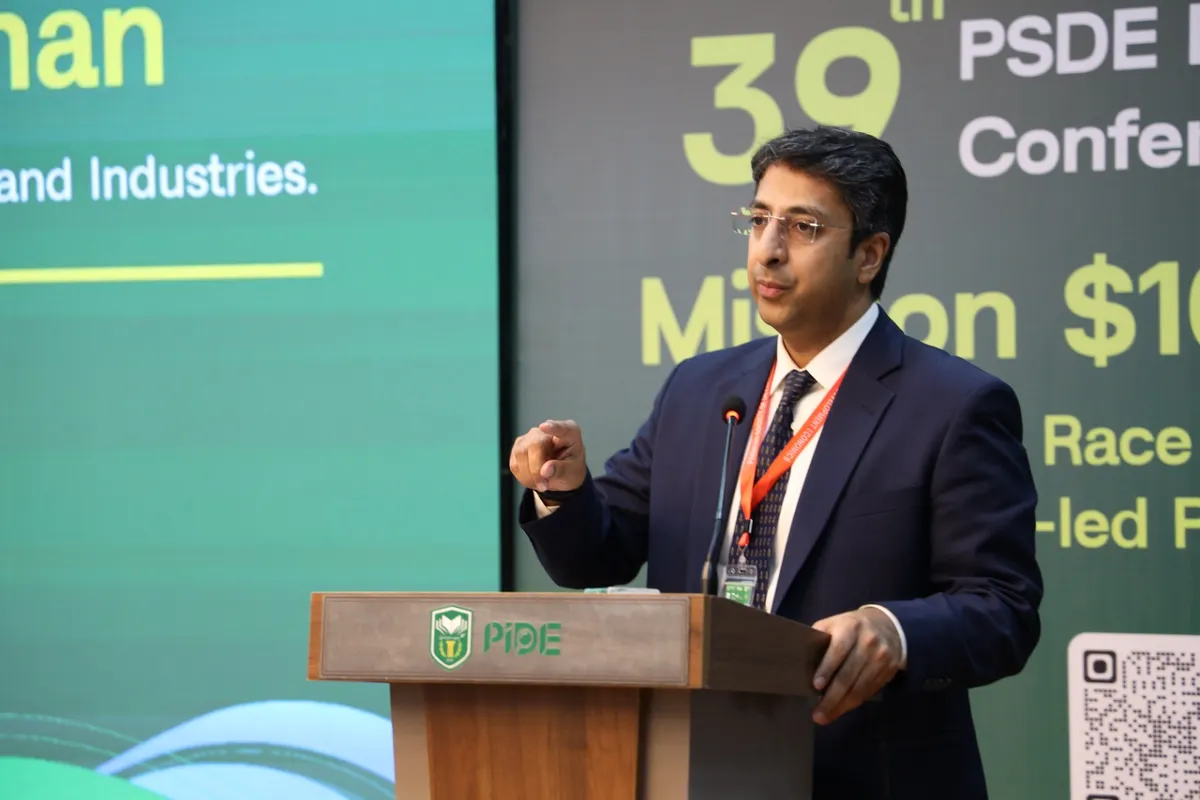
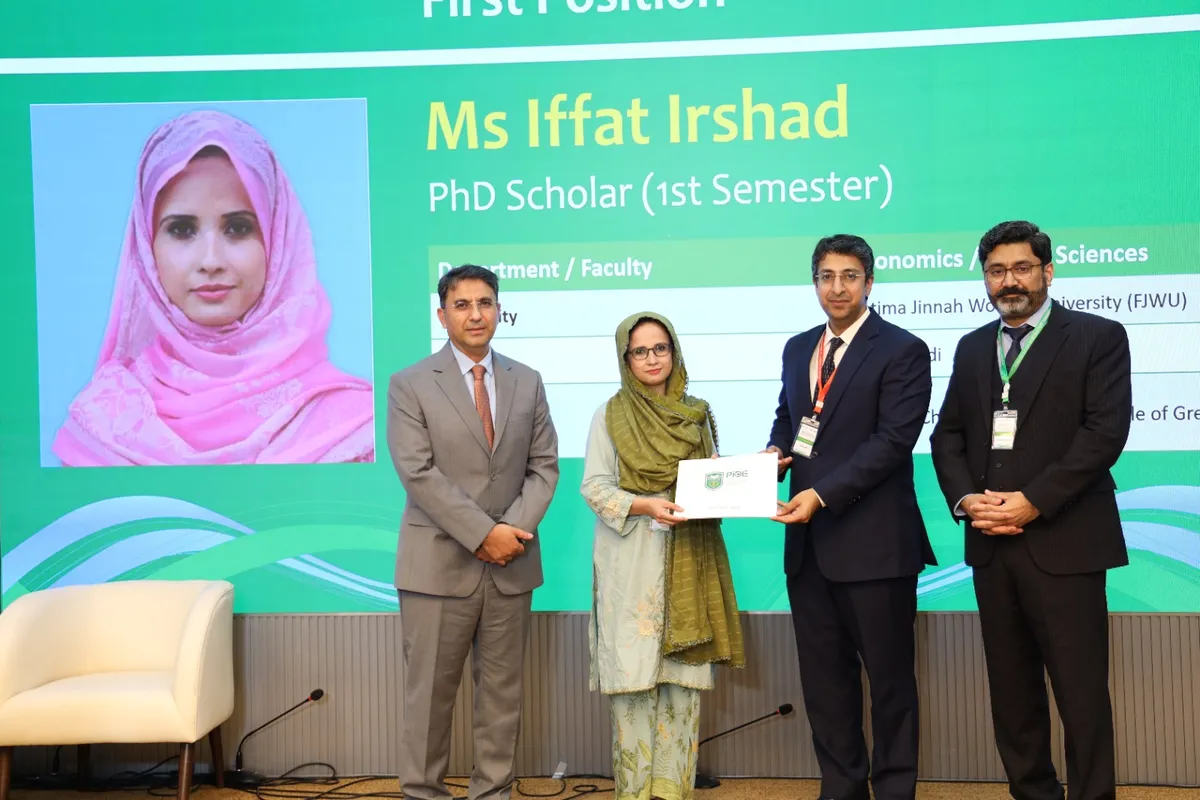
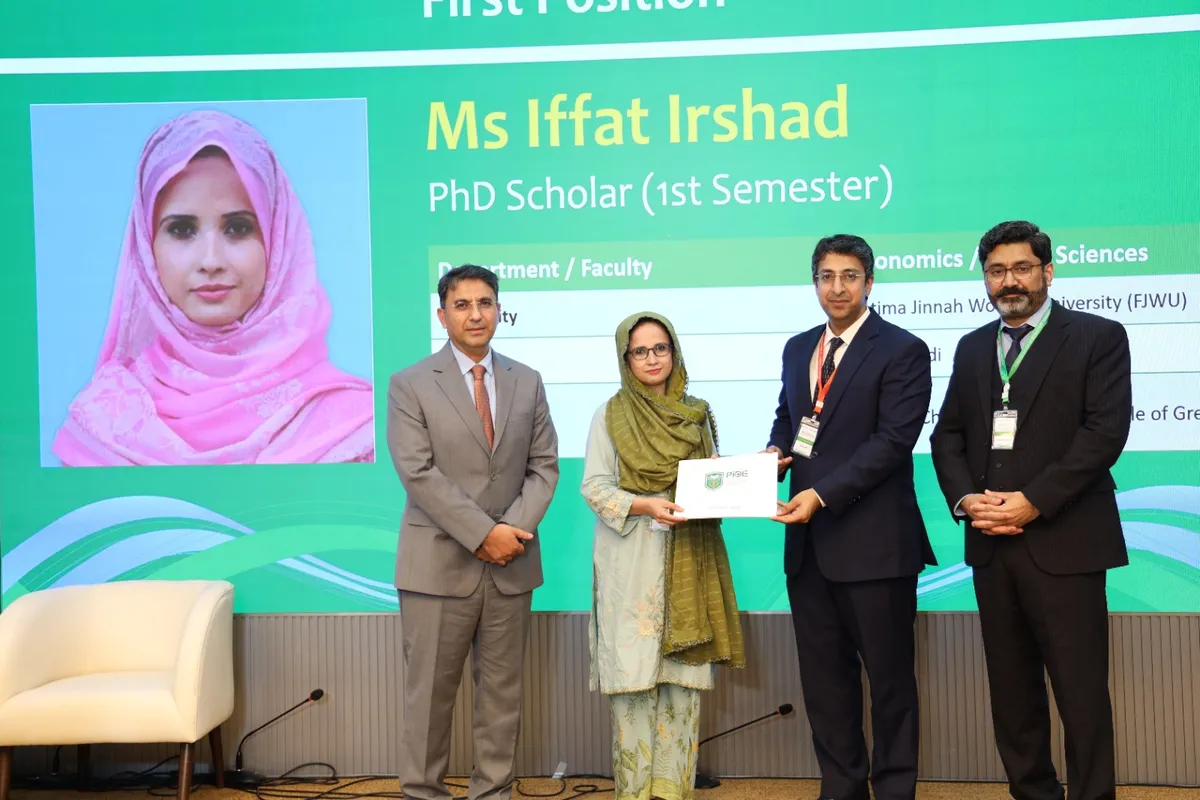
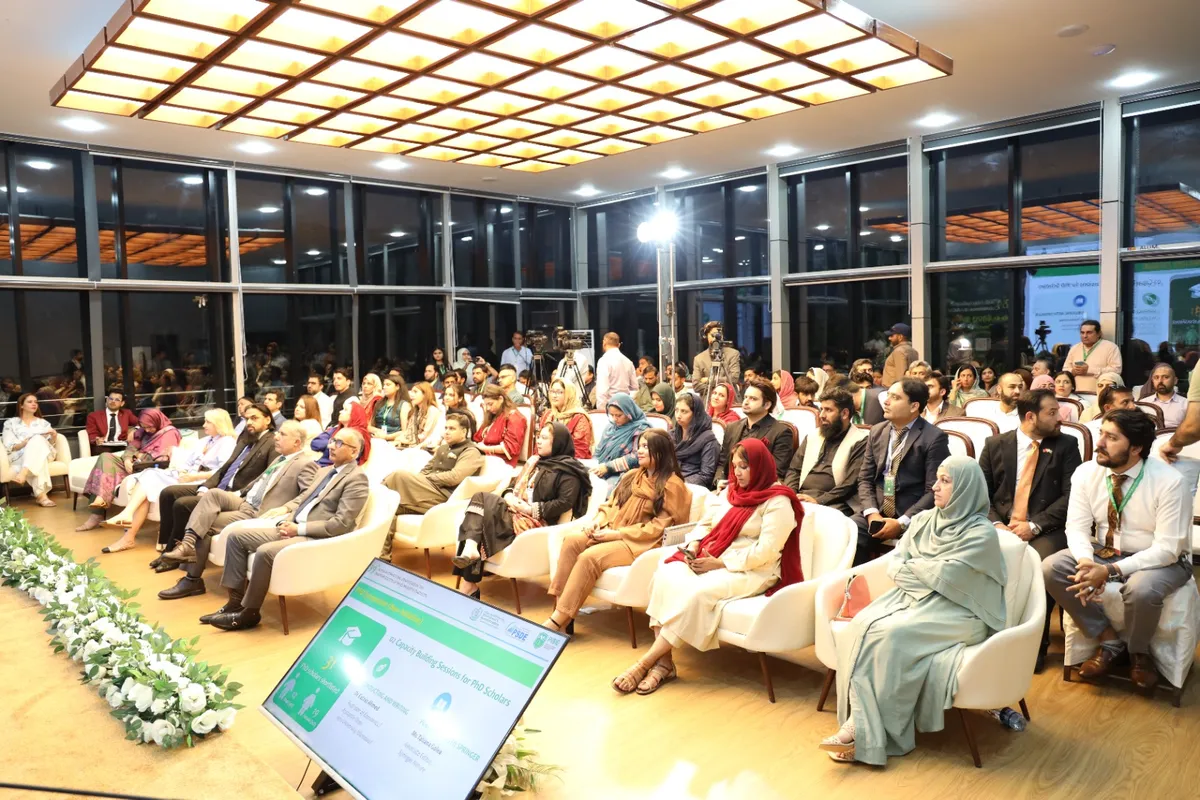
At the concluding panel, “How to Export More: Learning from Newly Industrialised Economies,” chaired by Prof. Dr. Zafar Nawaz Jaspal, Vice Chancellor, Quaid-i-Azam University; moderated by Mr. Tahir Habib Cheema, Chief (Admin & Finance), FBR; Syed Asad Ali Shah, Governance and Economic Reform Specialist; Dr. Babur Wasim, Senior Economist, Asian Development Bank, Mr. Shafiq Shehzad, DG Trade Policy, Ministry of Commerce and Dr. Madiha Riaz, Professor of Economics, PIDE underscored that policy continuity, public trust, trade-specific skills, reliable energy and predictable tax and customs regimes were key to sustained investment. Experts also noted that while the Ministry of Planning Unveils Official Quaid-e-Azam 150th Anniversary Logo to celebrate national milestones, the focus remains on long-term economic structural adjustment. This year’s conference received 204 extended abstracts, of which 24 papers were selected after blind peer review. Dr. Jamshed ur Rahman of Government College University, Lahore, won the Best Research Paper award. Dr. Nadeem Javaid (SI), Vice Chancellor PIDE and President PSDE, formally declared the conference closed, urging policymakers to translate these findings into an enabling environment to achieve the target of US$100 billion in exports by 2035.
Frequently Asked Questions
What are the core pillars of the six-point roadmap?
The roadmap includes sustaining URAAN Pakistan, tariff reforms, rationalising logistics through the Pakistan Single Window, safeguarding investor interests, upgrading SME clusters, and developing new sectors like AI-enabled agriculture and the blue economy.
What is the target for Pakistan’s export growth?
The conference aimed to provide a policy framework that helps Pakistan reach the goal of US$100 billion in annual exports by 2035.