Religious Tourism Can Generate Significant Foreign Exchange for Pakistan: Saif Ur Rehman
 By hanif sabir
Published: 27 Sep 2026
2 min read
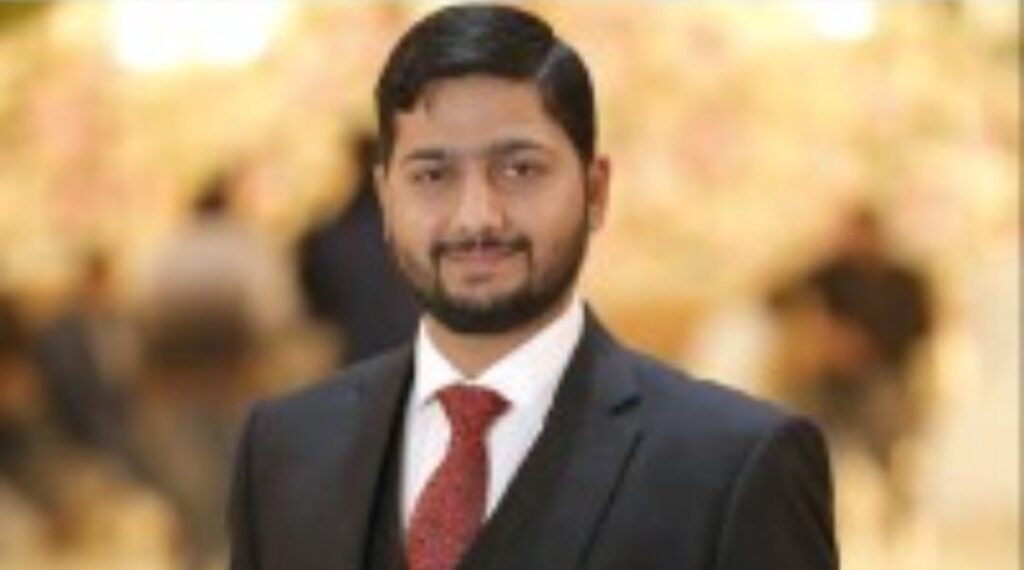
LAHORE, Sept 27: Coordinator to the Federal Tax Ombudsman Saif Ur Rehman on Sunday said Pakistan could earn substantial foreign exchange by fully harnessing its vast potential for religious tourism.
Addressing a roundtable conference on “Ritual Economy of Pakistan” organised under the aegis of Zia Snacks Family Food Products, he called for immediate and practical measures to transform the country’s rich religious heritage into a sustainable economic opportunity.
Saif Ur Rehman said civilised nations safeguard their integrity by respecting all communities and preserving their cultural and religious heritage. He said developing religious tourism could foster a richer cultural environment, promote regional harmony and contribute to economic prosperity.
He stressed that Pakistan needed to market its religious tourism potential more effectively by improving infrastructure, introducing advanced conservation practices, developing curated experiences for pilgrims and overhauling the regulatory framework governing religious tourism.
He said that in challenging times, religious and heritage-based tourism could help promote peace, inclusivity and prosperity.
Referring to the annual Hinglaj festival held earlier this year, he said the pilgrimage attracted around 300,000 devotees to the centuries-old Hinglaj Mata temple in the mountainous terrain of Balochistan, describing the event as a significant example of interfaith harmony.
Saif Ur Rehman said Pakistan possessed an extensive religious heritage, ranging from thousands of ancient religious sites in Khyber Pakhtunkhwa to hundreds of Hindu temples, as well as sites associated with Jainism, Buddhism and Sikhism across the country. He maintained that much of this potential remained untapped.
He further said a report on international religious tourism to Pakistan published last year had highlighted the lack of awareness in Southeast Asian markets about Pakistan’s Buddhist heritage and potential Buddhist tourism trails.
He urged the government to promote religious tourism sites held sacred by different communities, particularly Buddhists and Jains, saying several other South Asian countries had successfully developed their ancient religious and cultural assets as tourism destinations and generated foreign exchange from them.