US Military Warns Over Strained Capacity to Defend Israel Regularly
 By hanif sabir
Published: 02 Aug 2026
3 min read
By hanif sabir
Published: 02 Aug 2026
3 min read
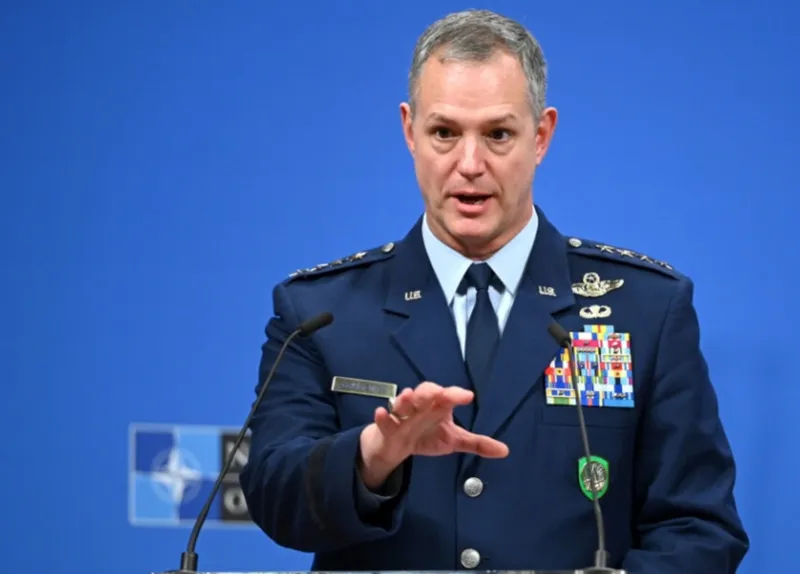
WASHINGTON (special crosspondent) – The commander of the United States European Command (EUCOM), General Alexus Grynkewich, has formally cautioned the Pentagon that the U.S. Navy lacks sufficient destroyer capacity to sustain current operations aimed at defending Israel against persistent Iranian ballistic missile threats, as detailed in a recent report by The Washington Post.
Citing informed U.S. officials, the report indicates that General Grynkewich warned senior Pentagon leadership in writing that without the urgent deployment of additional naval destroyers, the U.S. military may eventually be compelled to prioritize the defense of the American homeland at the expense of Israel’s regional security. This development follows recent regional escalations, as explored in Trump Orders New Strikes on Iran, Warns of “Very Hard” and Larger Military, highlighting the ongoing strategic volatility in the Middle East.
Operational Challenges and Resource Strain
The warning arrives as tensions between Tehran and Jerusalem remain dangerously elevated. The collapse of various diplomatic initiatives and the continuation of retaliatory strikes have placed unprecedented pressure on U.S. military resources and critical missile defense capabilities. As analysts have previously noted regarding the necessity of a Governance Model Must Be Reformed and Restructured for the Digital Era, such defense requirements demand high levels of logistical readiness.
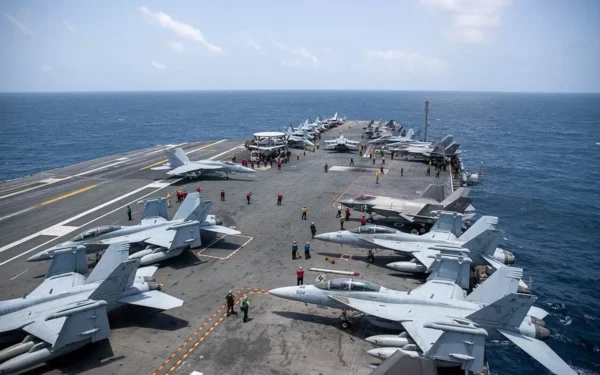
According to The Washington Post, the United States currently maintains two Navy destroyers within the Mediterranean Sea, with an additional three positioned at the Rota Naval Base in Spain. Furthermore, at least 15 other U.S. warships, including two aircraft carriers, are stationed in the Arabian Sea and surrounding maritime corridors. The report emphasizes that the intensity of these ongoing operations has exacerbated maintenance schedules and overall fleet readiness, complicating the sustainment of such a high-tempo presence.
Missile Defense and Strategic Burden
Defense experts observe that the U.S. military has absorbed a significant portion of the burden regarding the interception of Iranian ballistic missiles. This operational reality has led to the rapid depletion of expensive interceptors and other critical military assets. Pentagon assessments dating back to May previously signaled that U.S.-supplied missile defense systems have been utilized more extensively than Israel’s own domestic systems throughout the duration of the conflict.
When reached for comment, the Pentagon declined to address the specifics of the report, and the U.S. European Command did not provide an immediate response. The Israeli Embassy in Washington also remained silent regarding the potential shift in military support protocols. For broader context on regional dynamics, readers may refer to Iran Has Won the War, Parliament Speaker Ghalibaf Declares to understand the shifting political narratives in the region.