Attaullah Tarar Blames 2019 Policies for Media Industry Financial Crisis
 By hanif sabir
Published: 27 Jul 2026
3 min read
By hanif sabir
Published: 27 Jul 2026
3 min read
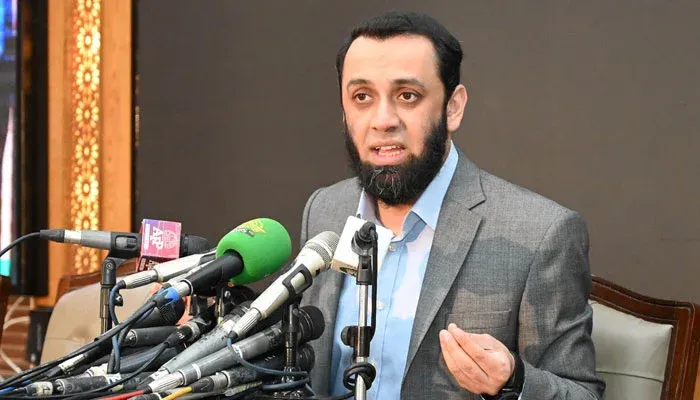
ISLAMABAD (special crosspondent) – Federal Minister for Information and Broadcasting Attaullah Tarar on Monday attributed the current financial strain on Pakistan’s media industry to restrictive policies enacted in 2019. Addressing the inauguration ceremony of the National Press Club’s new website, the minister argued that these past measures significantly curtailed the sector’s financial viability, creating long-term economic repercussions that persist today.
Highlighting the government’s commitment to media welfare, Tarar stated that it is the administration’s responsibility to foster an environment where journalists can earn a dignified living. He specifically criticized the 2019 policy that capped federal grants at Rs1 million for the National Press Club and Rs500,000 for smaller entities, labeling the restriction unjustified. The government has already initiated an amendment to remove these caps, he added, noting that the Ministry of Information and Broadcasting has instructed the secretary to expedite the resolution.
Addressing Advertising and Economic Pressures
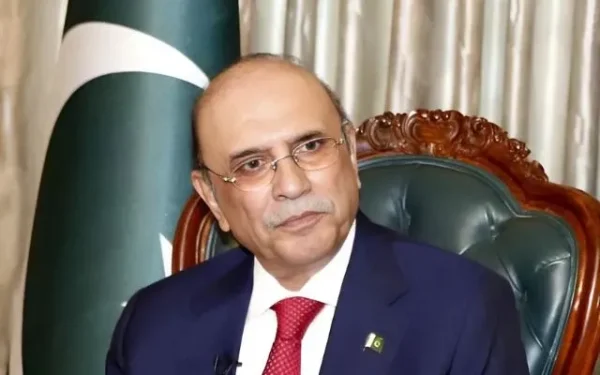
The minister further scrutinized the previous administration’s decision to slash official advertising rates for television channels. He observed that top-tier broadcasters saw their per-minute rates reduced from approximately Rs300,000 to Rs185,000, causing profound financial instability. Tarar maintained that the present government has refrained from suspending advertisements for any outlet, regardless of their editorial stance, noting that even past disputes with certain publications have been resolved through dialogue. His remarks come amidst broader efforts to align with national interests, similar to the strategic focus seen in recent President Zardari Reviews Progress on Sindh-China Economic Cooperation Projects.
Employee Welfare and Job Security
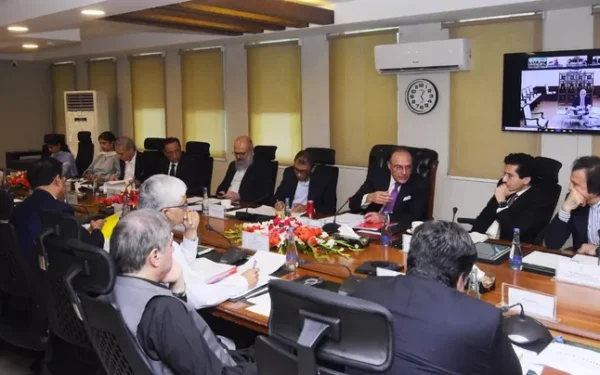
Tarar emphasized that the government has consistently urged representative bodies, such as the Pakistan Broadcasters Association (PBA) and the All Pakistan Newspapers Society (APNS), to prioritize the timely payment of salaries. He announced plans to introduce a comprehensive compensation mechanism for journalists who lose their lives in the line of duty and directed the Principal Information Officer to finalize proposals for a dedicated health card for media workers. These efforts reflect a wider governmental push for reform, paralleling the initiatives seen in discussions involving Finance Minister Muhammad Aurangzeb Chairs ECC to Approve Export Incentives.
Digital Transformation and Training
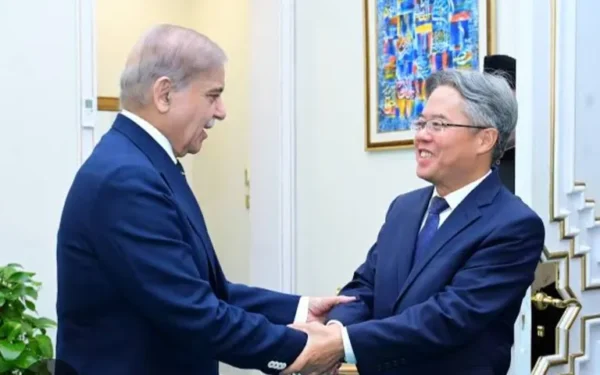
To support the evolving media landscape, the minister announced the establishment of a digital lab at the National Press Club, featuring a podcast studio and content creation infrastructure. Furthermore, the ministry is collaborating with institutions such as Quaid-e-Azam University, NUST, COMSATS University, and NUML University to offer short-term courses in digital content creation and marketing. The minister also reiterated the importance of regular dialogue, proposing monthly meetings with the journalist community to address industry challenges in real-time, echoing the collaborative approach often highlighted during high-level diplomatic and administrative engagements like those involving the Chinese Ambassador Jiang Zaidong Meets Prime Minister Muhammad Shehbaz Sharif.
The event concluded with the National Press Club bestowing honorary membership upon the minister, who subsequently inaugurated the organization’s new digital portal. Attendees included Principal Information Officer Raisa Adil, National Press Club President Abdul Razzaq Sial, and other key media representatives.