Donald Trump and Benjamin Netanyahu Discuss Iran and Middle East
 By hanif sabir
Published: 29 Jul 2026
3 min read
By hanif sabir
Published: 29 Jul 2026
3 min read
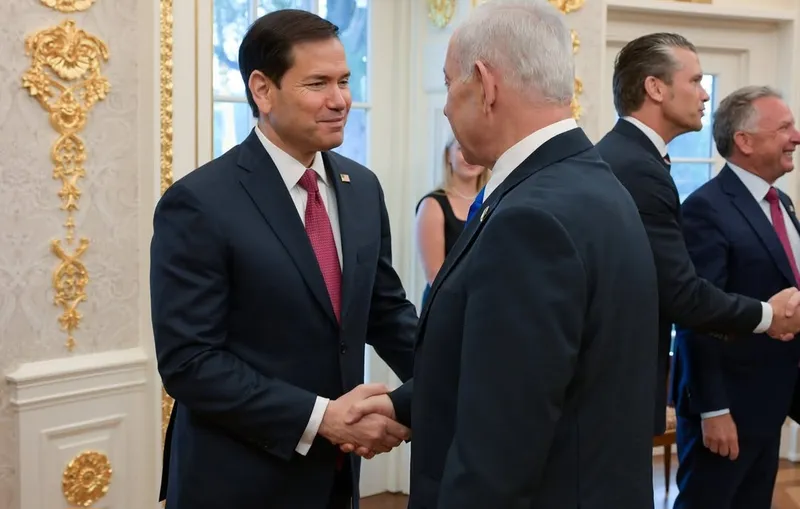
WASHINGTON (special crosspondent) – US President Donald Trump and Israeli Prime Minister Benjamin Netanyahu held high-level talks at the White House, focusing on Iran’s nuclear programme, the war in Gaza, regional security, and broader strategic cooperation between the United States and Israel.
The meeting, which lasted for about 90 minutes, came at a critical time amid heightened tensions in the Middle East and growing international efforts to prevent further escalation in the region. Much like the Houthi escalation in Yemen threatens regional stability, the discussions were framed by the necessity of preventing wider conflict.
President Trump’s Remarks on Intelligence
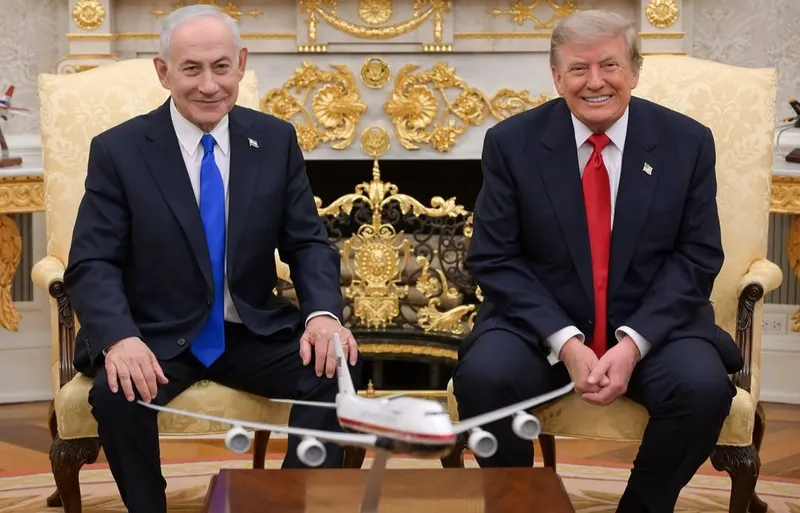
Ahead of the talks, President Trump made unusually candid remarks about Netanyahu while speaking to American media. He said he did not need the Israeli prime minister to brief him on Iran’s nuclear activities, insisting that US intelligence was already fully informed.
“I don’t need Netanyahu to tell me what’s happening. He’s telling me because he wants me to stay involved in the war,” Trump said, referring to reports that Netanyahu intended to present fresh intelligence on Iran’s nuclear programme during the White House meeting.
Stance on Diplomacy and Security
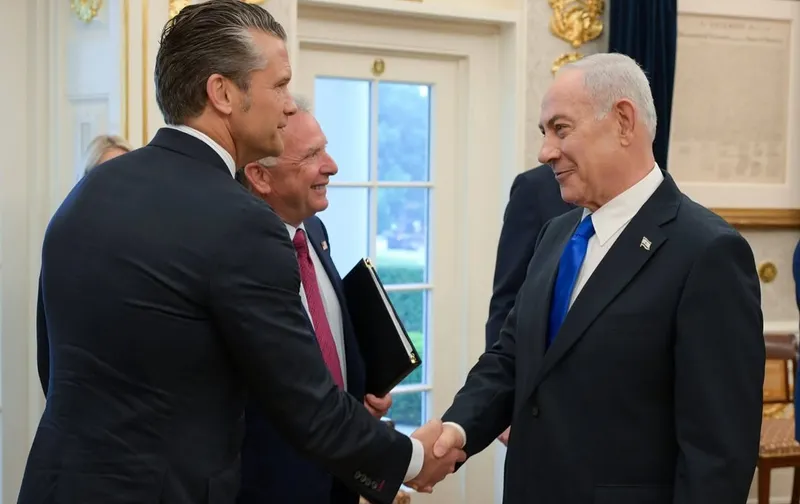
Trump reiterated that the United States was closely monitoring developments at Iran’s nuclear facilities and warned that Washington retained the capability to strike additional targets if Tehran failed to reach an agreement over its nuclear programme. At the same time, he said he continued to favour a diplomatic solution and hoped negotiations with Iran would produce positive results.
Following the meeting, Netanyahu described the discussions as “one of the best” he had held with the US president. He reaffirmed that Israel and the United States remained committed to preventing Iran from acquiring nuclear weapons and would continue to coordinate closely on regional security matters.
Regional Conflict and Diplomatic Initiatives
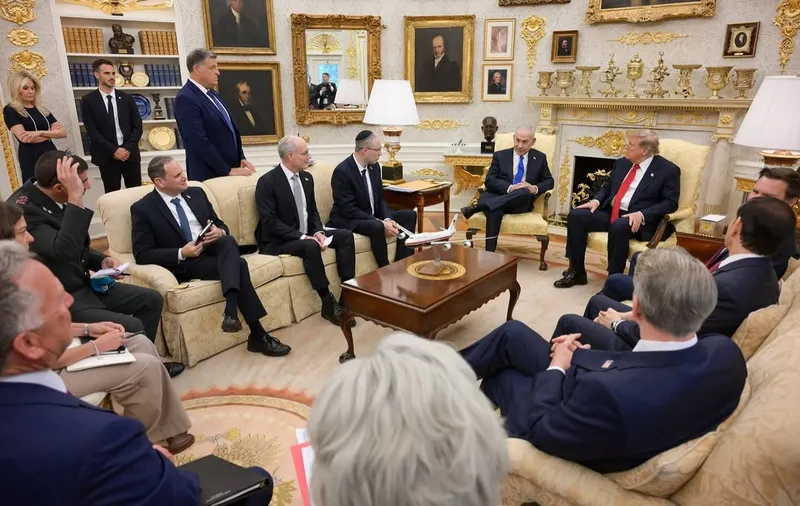
According to the White House, the two leaders also discussed the ongoing conflict in Gaza, the situation along Israel’s northern border with Lebanon, efforts to expand the Abraham Accords, and broader diplomatic initiatives aimed at reducing tensions across the Middle East. Officials said both leaders reviewed the current security environment and reaffirmed the strategic partnership between Washington and Tel Aviv. While no major policy announcements were made, the discussions reflected continued coordination on issues affecting regional stability.
Divergence in Strategic Approach
International media have reported that differences in approach have emerged between the two leaders regarding Iran. While both oppose Iran’s pursuit of nuclear weapons, Trump has indicated that diplomacy should be given an opportunity before further military action is considered. Netanyahu, meanwhile, has consistently advocated maintaining maximum pressure on Tehran and has argued for a tougher approach toward Iran’s nuclear programme. Analysts believe the White House meeting was significant not only because of the challenges posed by Iran but also due to the broader regional crises, including the war in Gaza and ongoing security concerns involving Lebanon and other parts of the Middle East. The outcome of the talks is expected to influence future US-Israel coordination and could shape diplomatic efforts and security policy in the region in the coming weeks.