FBR Chairman Consults FPCCI and PBC to Resolve Business Grievances
 By hanif sabir
Published: 04 Aug 2026
2 min read
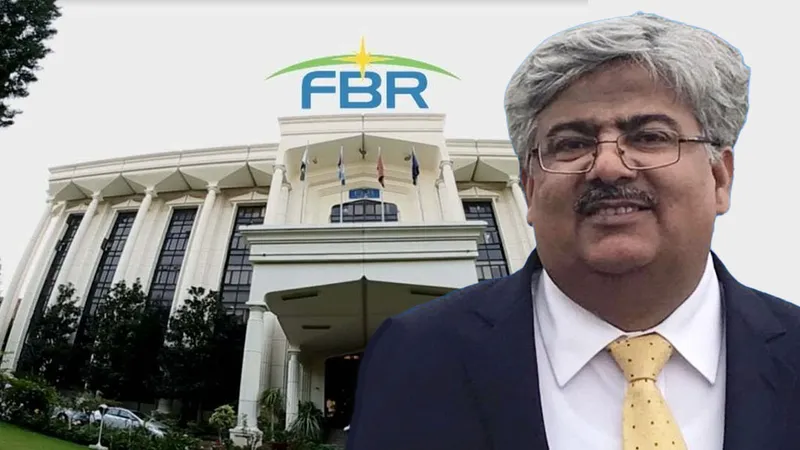
KARACHI (special crosspondent) – In accordance with explicit directives issued by the Prime Minister, the Chairman of the Federal Board of Revenue (FBR) held a high-level consultation today with representatives from the Federation of Pakistan Chambers of Commerce and Industry (FPCCI) and the Pakistan Business Council (PBC). The meeting, aimed at addressing systemic challenges facing the industrial sector, mirrors broader efforts to prioritize governance and sustainable development within the national economy.
Strengthening Taxpayer Relations and Accountability
The core of the discussions centered on enhancing business facilitation and upholding the highest standards of integrity. The FBR Chairman addressed concerns regarding potential harassment of taxpayers, issuing strict instructions to tax officials to ensure that legitimate business operations are treated with professional courtesy and fairness. The leadership emphasized that the authority will not tolerate any form of administrative overreach that hampers economic progress.
Collaborative Framework for Economic Growth
Both parties agreed to establish a robust, collaborative framework to ensure continuous engagement. This initiative aims to address the long-standing demands for enhanced industry-academia and stakeholder cooperation to drive national productivity. The FBR committed to streamlining tax filing processes, accelerating the issuance of pending refunds, and simplifying compliance protocols to foster a more predictable trade environment.
Commitment to Transparency and Future Oversight
To ensure long-term accountability, the FBR and business delegations decided to form joint committees composed of senior FBR officials and industry representatives. These committees are tasked with monitoring the resolution of pending issues and maintaining direct supervision through increased senior-level interaction at the Karachi office. Business leaders lauded the Prime Minister’s proactive approach, noting that such measures are vital for boosting bilateral and domestic trade confidence, which remains a cornerstone of the country’s economic recovery strategy.