Pakistan Outplays India on Diplomatic Front After Battlefield Success
 By Executive Editor
Published: 20 Jun 2026
Updated: 30 Jun 2026
2 min read
By Executive Editor
Published: 20 Jun 2026
Updated: 30 Jun 2026
2 min read
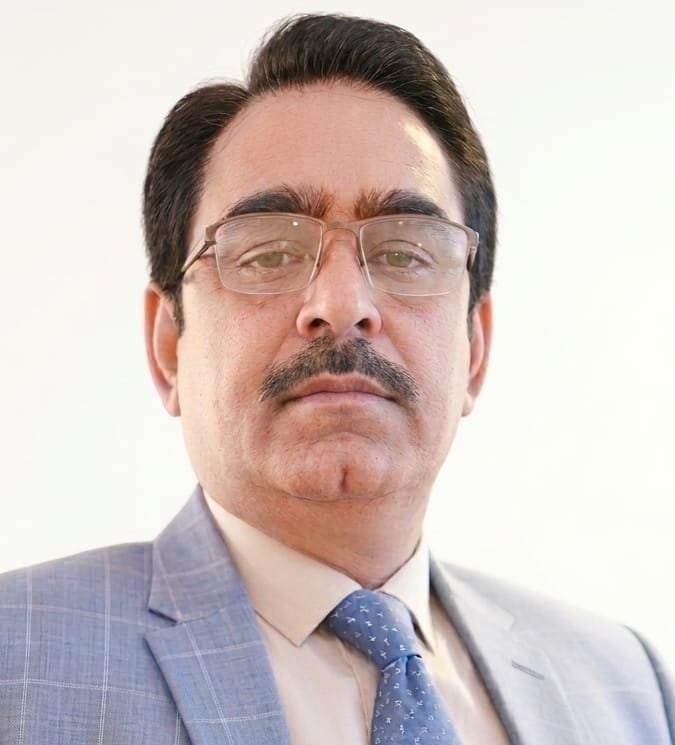
By Hanif Sabir
In modern geopolitics, military achievements may alter the balance of power, but diplomatic victories define a nation’s long-term standing in the world. Recent developments suggest that Pakistan has successfully transformed its perceived battlefield success in the Marika-e-Haq confrontation into growing diplomatic influence, enhancing its profile on the global stage while placing India on the defensive.
Pakistan’s role in efforts aimed at easing tensions between the United States and Iran has emerged as a significant diplomatic milestone. At a time when fears of a wider regional conflict were mounting, Islamabad positioned itself as a responsible stakeholder advocating dialogue and de-escalation. Such engagement has strengthened Pakistan’s image as a country capable of contributing constructively to international peace and stability.
Meanwhile, India has faced questions regarding its diplomatic momentum. International attention focused on the interaction between the US President and the Indian Prime Minister during the G7 Summit, where the optics appeared notably restrained compared to the traditionally warm engagements often highlighted by New Delhi. While symbolism alone does not determine foreign policy, diplomatic signals often shape international perceptions.
Pakistan, on the other hand, has demonstrated an ability to engage simultaneously with multiple power centers. Its relations with the United States, China, Gulf states, Türkiye, and Iran have enabled Islamabad to project itself as a bridge between competing geopolitical interests. In an increasingly fragmented world, such strategic flexibility is becoming a valuable diplomatic asset.
The significance of these developments extends beyond the Pakistan-India rivalry. They point to a broader transformation in Pakistan’s international identity. For decades, the country was primarily viewed through the lens of security challenges and regional instability. Today, Pakistan has an opportunity to be recognized as a facilitator of dialogue and a contributor to regional peace.
However, diplomatic influence cannot be sustained by foreign policy alone. Economic resilience, political stability, and institutional continuity remain essential prerequisites for maintaining international credibility. Without progress on these fronts, diplomatic gains may prove temporary.
Nevertheless, the current moment presents Pakistan with a rare opportunity. By combining strategic restraint, diplomatic engagement, and regional outreach, Islamabad has succeeded in strengthening its global standing. If this momentum continues, Pakistan’s most significant victories in the years ahead may not be won on the battlefield, but across negotiating tables where nations shape the future of international relations.