RCCI President Usman Shaukat Urges Balanced Fuel Pricing Reform Policy
 By hanif sabir
Published: 30 Jul 2026
2 min read
By hanif sabir
Published: 30 Jul 2026
2 min read

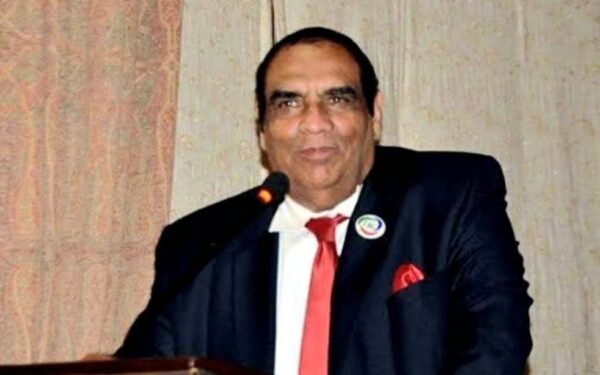
RAWALPINDI (special crosspondent) – The President of the Rawalpindi Chamber of Commerce and Industry (RCCI), Usman Shaukat, has formally acknowledged the Government of Pakistan’s strategic shift toward a market-based fuel pricing mechanism through daily adjustments. Describing the move as a significant step toward enhanced fiscal transparency and long-term economic discipline, the chamber leadership emphasized that the policy must be implemented alongside safeguards to shield the business community from excessive market volatility.
Fiscal Sustainability and Economic Efficiency
In his official statement, Usman Shaukat noted that transitioning to market-driven pricing could potentially strengthen the nation’s fiscal sustainability. By curbing fuel smuggling and reducing hidden subsidies, the reform may improve overall market efficiency and bolster the State Bank of Pakistan‘s existing inflation-targeting framework. Shaukat highlighted that such structural adjustments are essential for creating a more competitive energy landscape while simultaneously safeguarding public finances against external shocks.
Addressing Challenges for SMEs and Exporters
Despite supporting the principles of market competition, the RCCI President raised concerns regarding the impact of daily price fluctuations on key economic sectors. He highlighted that small and medium enterprises (SMEs), manufacturers, and exporters face significant operational uncertainty under such a regime. Because rising fuel costs directly influence freight charges and production expenses, Shaukat argued that the current trajectory could inadvertently weaken national competitiveness and impede long-term investment planning. Similar to discussions regarding green energy workforce development, ensuring that the industrial sector remains stable is vital for maintaining economic momentum.
Policy Recommendations for a Balanced Transition
To mitigate these risks, the RCCI has urged the government to implement a more measured approach. Proposed recommendations include the introduction of a price-band mechanism with fortnightly adjustments rather than daily revisions. Furthermore, the Chamber suggests providing targeted relief for SMEs through fuel subsidies or specific tax credits during the transition phase. Additionally, Shaukat called for the implementation of automatic fuel surcharge adjustments for the transport sector and the establishment of temporary fuel tax rebates for export-oriented industries. He noted that the business community remains committed to a productive dialogue, much like recent efforts by stakeholders to enhance international cooperation. “The Chamber supports market-based pricing in principle, but reforms must not come at the expense of Pakistan’s productive sectors,” Usman Shaukat stated, calling for a policy environment that ensures sustainable growth and investment confidence.