Iran Rejects US Proposals Delivered Through Mediators Citing Unreasonable Demands
 By hanif sabir
Published: 28 Jul 2026
3 min read
By hanif sabir
Published: 28 Jul 2026
3 min read
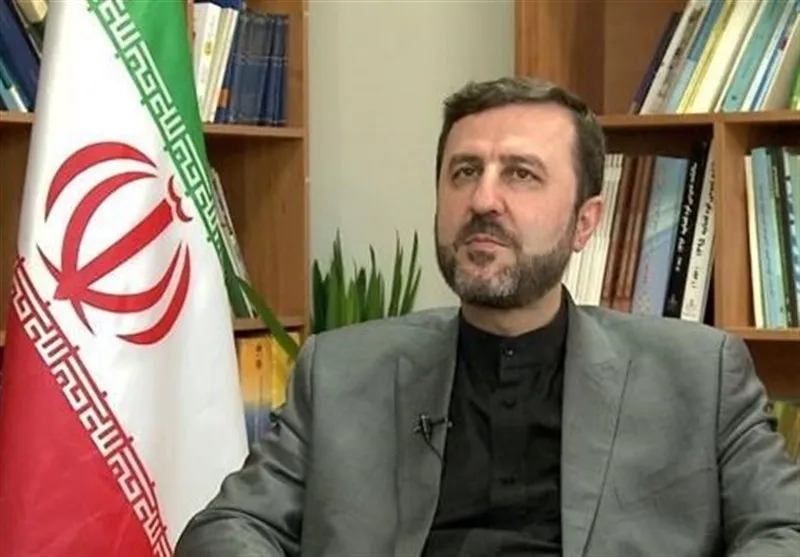
TEHRAN (special crosspondent) – Iran’s Deputy Foreign Minister for Legal and International Affairs, Kazem Gharibabadi, has officially confirmed that Tehran has rejected a series of proposals conveyed by the United States through various mediators. Gharibabadi characterized these proposals as containing “unreasonable demands” that are fundamentally inconsistent with the nation’s core interests and principles.
Speaking to Iranian media outlets, the Deputy Foreign Minister detailed that the American plan included specific conditions which the Iranian delegation deemed entirely unacceptable. Consequently, the government has rejected these terms outright. He emphasized that the Islamic Republic remains steadfast in its position, noting that Iran will not accept any diplomatic agreement predicated upon external pressure, threats, or unilateral mandates. Such approaches, he argued, are inherently incapable of producing a sustainable diplomatic resolution.
Addressing the current state of engagement, Gharibabadi stated that Tehran is neither fixated on the continuation of indirect negotiations nor has it requested an extension of the current talks. This stance, he suggested, demonstrates that Iran is conducting its foreign policy with both dignity and confidence, ensuring that national sovereignty remains safeguarded while explicitly refusing to negotiate under duress. This follows recent diplomatic engagements where similar tensions were evident in broader international forums.
Principles of Diplomatic Engagement
The official clarified that Tehran had communicated to all relevant mediators that its principled position remains unchanged, regardless of the potential outcomes of the ongoing indirect negotiation process. He reiterated that Iran will not endorse any proposal that undermines its legitimate rights, national security, or long-term strategic interests. While the administration maintains a commitment to diplomacy, Gharibabadi stressed that meaningful engagement necessitates mutual respect and the recognition of each party’s legitimate rights.
He further argued that unrealistic demands and the imposition of unilateral conditions serve only to complicate diplomatic efforts rather than facilitate a mutually acceptable resolution. While similar economic and political discourse often impacts regional stability—much like how the adjustment of economic policies often dictates internal pressures—Tehran insists that its international dealings remain strictly distinct.
Future of Indirect Negotiations
Despite the current impasse, the Iranian official noted that the government has no intention of closing the doors to diplomacy entirely. He stated that any future progress is strictly dependent upon a negotiation framework founded on equality, mutual respect, and rigid adherence to international law, rather than coercion or political pressure. This echoes broader concerns about global stability, where leaders like the Prime Minister often navigate complex bilateral relationships.
Political analysts observing the region suggest that Iran’s latest posture reflects a clear determination to avoid any diplomatic framework that imposes unilateral restrictions on its nuclear programme, regional influence, or sovereign rights. Observers argue that the trajectory of future indirect negotiations will largely rest on whether both Washington and Tehran are prepared to present balanced and realistic proposals that can serve as a viable foundation for a future accord.