100 Years Without Rain in Chile’s Atacama Desert, Where Sea Fog Provides a Vital Water Source
 By hanif sabir
Published: 16 Aug 2026
3 min read
By hanif sabir
Published: 16 Aug 2026
3 min read
100 Years Without Rain in Chile’s Atacama Desert, Where Sea Fog Provides a Vital Water Source
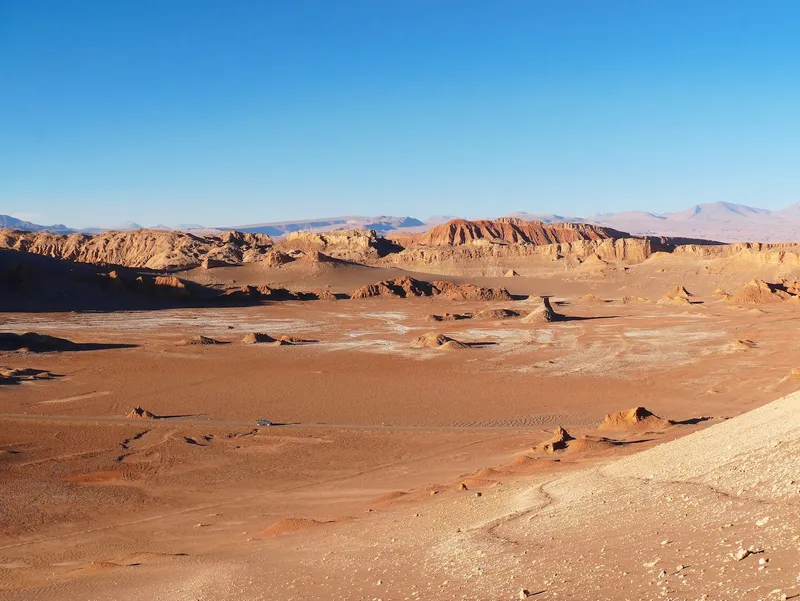
Santiago: Chile’s Atacama Desert is considered one of the driest places on Earth, with some weather stations recording not a single drop of rain for more than a century. Yet life survives in the region thanks in part to dense coastal fog arriving from the Pacific Ocean.
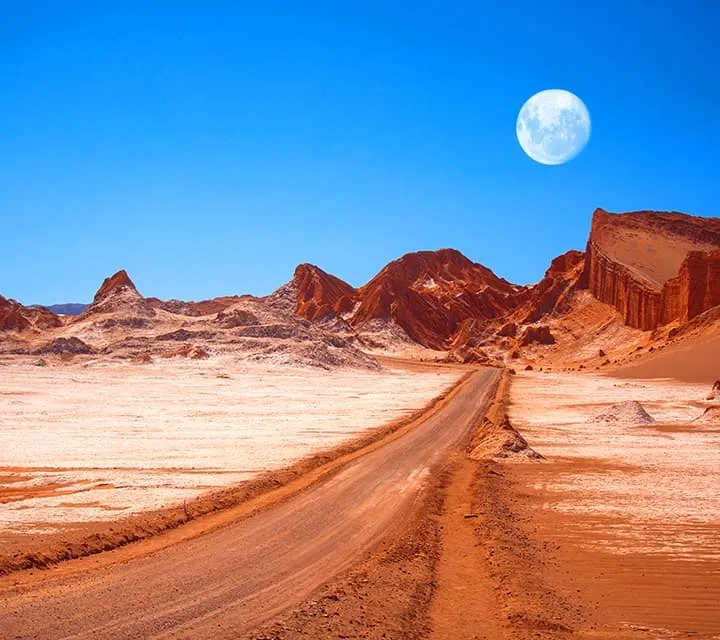
According to a SpaceDaily report published on August 16, 2026, some of the driest parts of the Atacama receive just 1 to 3 millimeters of rainfall annually, while several weather stations have recorded consistently zero rainfall. The desert stretches for nearly 1,000 kilometers across northern Chile.
In such an extremely dry environment, dense fog from the Pacific Ocean provides an important source of moisture. Locally known as “camanchaca,” the fog is associated with the cold Humboldt Current and reaches coastal areas, where it leaves moisture on rocks and other surfaces rather than producing rainfall.
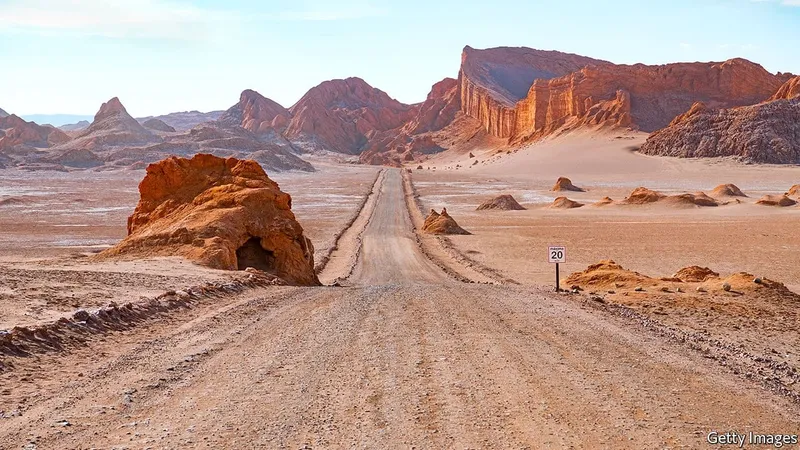
The moisture provides a lifeline for moss and other desert vegetation growing along the coastal cliffs. Some moss species can rapidly absorb moisture from the air and resume biological activity within minutes before returning to a dry state once the fog disappears.
Chile has also used the phenomenon to collect water for human use. In the northern fishing settlement of Chungungo, around 100 fog-collecting nets were installed in 1987, providing water for approximately 300 residents. In some locations, the systems have produced around 1,000 liters of water per day, while under favorable conditions production has reached as much as 12,000 liters per day.
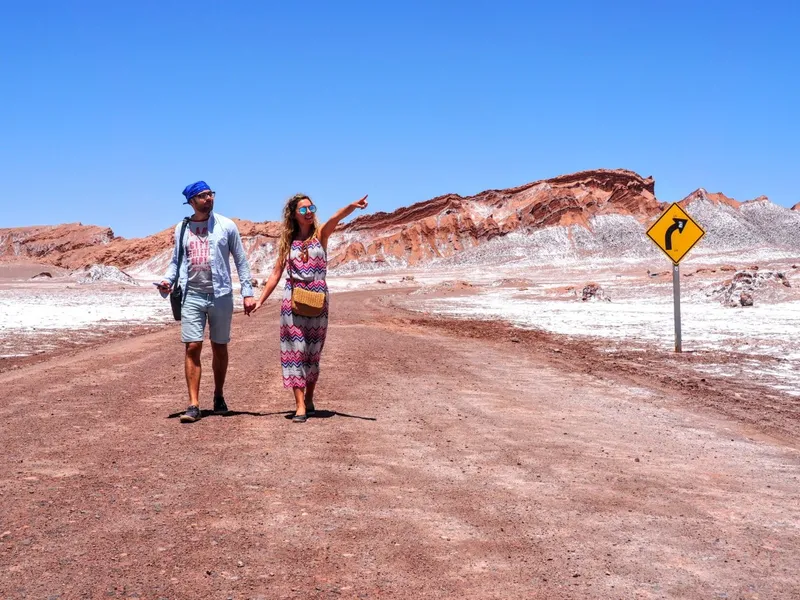
The technology is relatively simple. Special mesh nets capture tiny water droplets carried by the fog. The droplets accumulate on the mesh and then flow into channels and collection containers below, where the water can be collected and used.
The Atacama’s extreme dryness is partly explained by its geography. The towering Andes Mountains to the east block moisture from reaching the region, while the cold Humboldt Current along the Pacific coast creates atmospheric conditions that favor the formation of coastal fog rather than rainfall.
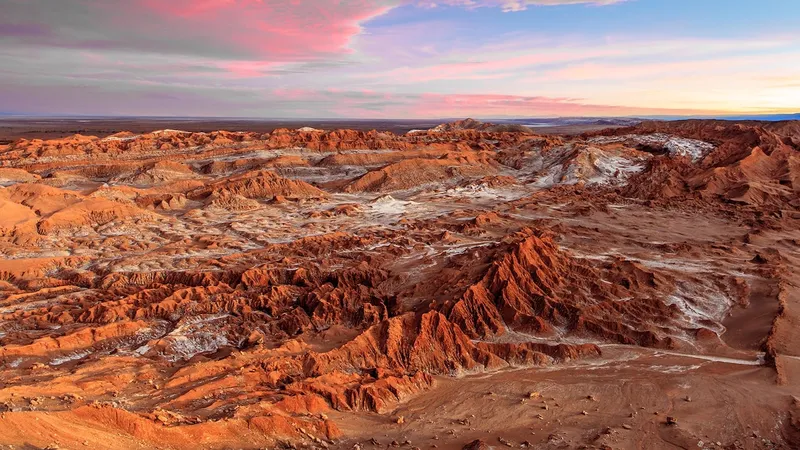
The desert’s exceptionally dry environment is also important for scientific research. The Yungay area of Chile has been used in research related to Mars because of its similarities to the planet’s extremely dry and harsh conditions.
Scientists warn that climate change could alter the Atacama’s coastal fog system in the future. It remains uncertain whether warming oceans will increase or decrease the amount of fog or change the timing and altitude at which it forms.
Such changes could have significant consequences for the moss, plants and other organisms that depend on this limited source of moisture for survival.