War Disrupts Saudi Oil Industry as Production Falls to 36-Year Low
 By hanif sabir
Published: 10 Sep 2026
4 min read
By hanif sabir
Published: 10 Sep 2026
4 min read
War Disrupts Saudi Oil Industry as Production Falls to 36-Year Low
RIYADH, September 10: Saudi Arabia’s crude oil production has plunged sharply amid the escalating war in the Middle East, with output in August falling to around 6.2 million barrels per day, its lowest level of the year and one of the lowest levels in decades.
According to the latest data reported by OPEC, Saudi crude production in August was around 23 percent lower than in July. The sharp decline came as the kingdom faced growing difficulties in exporting oil amid attacks and security threats along key shipping routes.
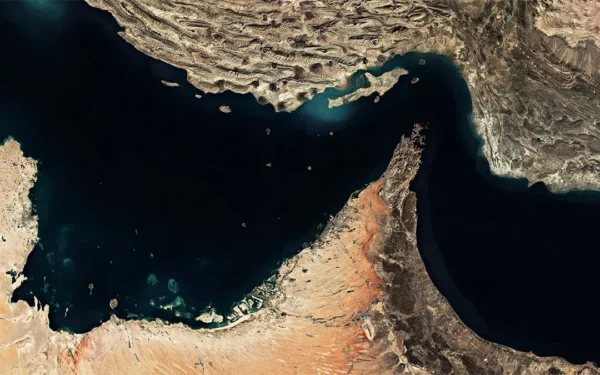
Saudi Arabia, the world’s largest oil exporter and OPEC’s biggest producer, has been particularly affected by disruptions to both the Strait of Hormuz and the Red Sea. Iran-related tensions have constrained shipping through the Strait of Hormuz, while Iran-backed Houthi forces in Yemen have increasingly targeted Saudi Arabia’s western coastal areas and oil infrastructure.
The Houthis declared what they described as a maritime embargo against Saudi ports at the end of July, discouraging shipping companies from operating along the kingdom’s western coast. The resulting disruption severely affected Saudi Arabia’s ability to move crude through the Red Sea.
Saudi crude exports fell to around 3.1 million barrels per day in August, compared with approximately 5.1 million barrels per day in July, according to shipping-tracking data. The August figure was the lowest Saudi export level recorded since at least 2013.
Following the outbreak of the wider Middle East conflict, Saudi state oil company Aramco had sought to reduce its dependence on the Strait of Hormuz by redirecting more crude through the kingdom’s East-West pipeline to the Red Sea port of Yanbu. The route provided an alternative outlet for Saudi oil, allowing the kingdom to partially maintain exports despite disruptions in the Gulf.
However, the Houthi attacks and growing threats to shipping in the Red Sea and Bab el-Mandeb have undermined that alternative route as well. Yanbu’s crude exports fell sharply in August, adding to the pressure on Saudi Arabia’s oil production and storage capacity.
The situation deteriorated further this week when Houthi forces launched a major wave of attacks against southern Saudi Arabia, targeting several cities and energy installations. Saudi authorities said the attacks caused temporary shutdowns at some oil facilities and injured dozens of people.
The disruption has also sent shockwaves through international oil markets. Brent crude rose above $100 per barrel earlier this week for the first time since July, as traders became increasingly concerned about further disruptions to supplies from the Middle East. On Thursday, Brent prices climbed further amid renewed attacks on oil tankers and growing concerns over regional supply.
The broader impact is visible across OPEC. A Reuters survey found that crude production by OPEC’s 11 members fell by about 640,000 barrels per day in August to 19.71 million barrels per day, despite plans by several OPEC+ members to increase production. The continuing conflict has made it difficult for producers to translate agreed production increases into actual supplies reaching international markets.
Analysts warn that prolonged disruptions to Saudi Arabia’s export routes could have significant consequences for global energy markets. As the world’s largest oil exporter, any sustained reduction in Saudi production or exports could tighten global supplies and put additional upward pressure on crude prices.
The latest developments also underline the growing vulnerability of Middle Eastern energy infrastructure and shipping routes. With the Strait of Hormuz, the Red Sea and Bab el-Mandeb all facing heightened security risks, the conflict is no longer affecting only individual countries but is increasingly posing a threat to the stability of global oil supplies.
If the attacks and shipping disruptions continue, Saudi Arabia could face further restrictions on production and exports, while international oil prices could remain under significant upward pressure.