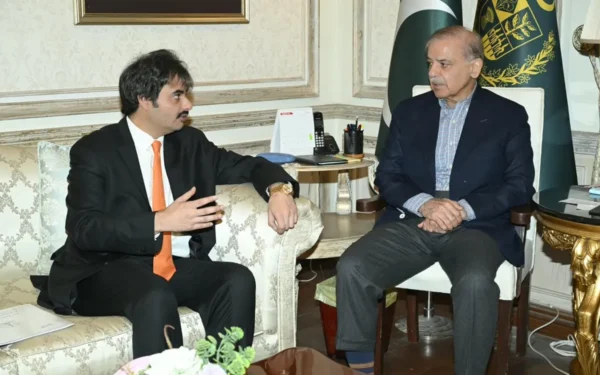
FPCCI Urges Government Action to Shield Industry from Iran-US Tensions
 By hanif sabir
Published: 13 Jul 2026
3 min read
By hanif sabir
Published: 13 Jul 2026
3 min read
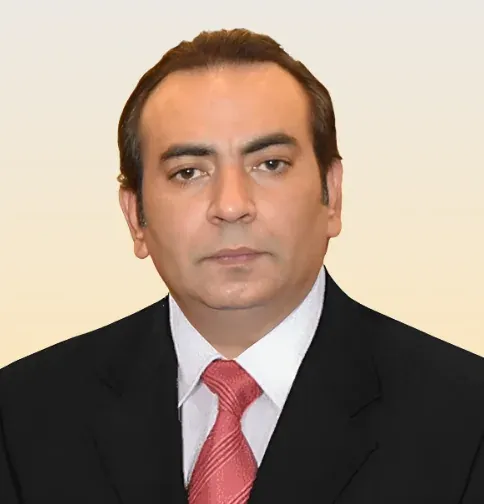
KARACHI (special crosspondent) – Mr. Atif Ikram Sheikh, President of The Federation of Pakistan Chambers of Commerce and Industry (FPCCI), has expressed his profound concern over the escalating geopolitical tensions and renewed hostilities between the United States and Iran. The country’s apex trade body has called upon the federal government and economic policymakers to immediately devise a crisis-response strategy to insulate Pakistan’s fragile economy, trade routes, and industrial sector from the inevitable shockwaves. Mr. Atif Ikram Sheikh emphasized the critical need for proactive macroeconomic management to prevent the derailment of recent stabilization efforts. He noted that the renewed hostilities in the immediate neighborhood pose a severe threat to regional stability, energy supply chains, and global trade dynamics. While Ahsan Iqbal Highlights Pakistan’s Economic Stability and Future Development Goals, the business community remains cautious regarding external threats.
Strategic Economic Protection
Mr. Atif Ikram Sheikh explained that Pakistan’s economy, which has recently shown encouraging signs of stability with a transition toward fiscal discipline, cannot afford the inflationary pressures of an unexpected oil price shock or disruptions in maritime trade. He added, “We urge the government to immediately engage with the business community to formulate a strategic buffer that secures our energy imports and protects our export-oriented industries from being pushed to the wall.”
Supply Chain and SME Vulnerabilities
Mr. Saquib Fayyaz Magoon, SVP FPCCI, highlighted the vulnerability of the nation’s supply chains and the disproportionate impact on the manufacturing sector. Any conflict in the Persian Gulf directly threatens the cost of doing business through skyrocketing freight charges and delayed shipments. “Our Small and Medium Enterprises (SMEs) are already grappling with exorbitant energy tariffs and high borrowing costs. A sudden disruption in the availability of essential raw materials or a spike in global fuel prices could push many manufacturers toward default or complete closures,” he stated. He further emphasized that the government must strike a delicate balance by ensuring uninterrupted access to industrial inputs while curbing non-essential foreign exchange outflows.
Regional Impact on Sindh
Mr. Abdul Mohamin Khan, VP & Regional Chairman Sindh, FPCCI, emphasized the localized threat to Sindh’s economy and its manufacturing zones. Karachi, being the premier port city and industrial heartland, is directly in the crosshairs of any turbulence in maritime trade routes. He stated that industries in Sindh are already bearing the brunt of severe economic challenges and high operational costs. “We demand the establishment of fast-track business facilitation centers in every district and immediate coordination between provincial and federal authorities to lower operational frictions at the ports. Our export pipeline must be safeguarded to prevent further widening of the trade deficit,” he added.
Call for a Joint Task Force
The FPCCI leadership unanimously urges the Ministry of Finance, the Ministry of Commerce, the Federal Board of Revenue (FBR), and the State Bank of Pakistan to immediately form a joint task force with the business community. This task force must proactively evaluate the evolving geopolitical landscape and implement a contingency framework that ensures trade continuity and shelters the local industry from external shocks, especially as stakeholders monitor the Non-Muslim Nations Lead Global Halal Market Amid Trade Deficit Crisis to understand broader economic impacts.