Lahore Chamber Welcomes Private Sector Role in New Industrial Zoning
 By hanif sabir
Published: 27 Jul 2026
3 min read
By hanif sabir
Published: 27 Jul 2026
3 min read
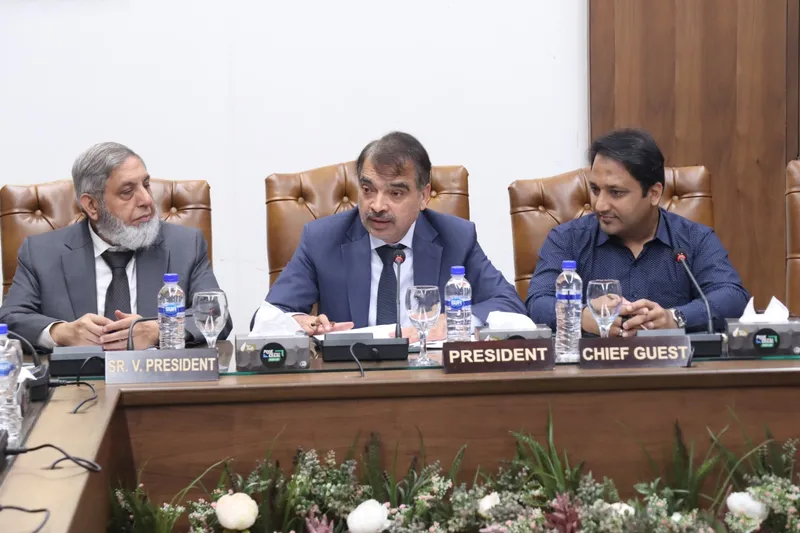
LAHORE (special crosspondent) – Lahore Chamber of Commerce and Industry (LCCI) President Faheem Ur Rehman Saigol has formally welcomed the Punjab government’s recent decision to integrate the private sector into the industrial zoning process. Addressing a key consultation meeting regarding the identification of suitable land for a new Small Industrial Estate in Lahore, Saigol highlighted that the business community currently grapples with significant obstacles, including severe land shortages, regulatory overreach by various government departments, and the complex challenges surrounding the relocation of existing industries. Emphasizing the economic necessity of industrial growth, Saigol remarked, “The promotion of industries is essential for creating employment opportunities and strengthening the economy. However, under current circumstances, it has become increasingly difficult to establish new industrial units or maintain the operations of existing ones.” He urged the government to address these concerns on a priority basis to ensure that neither domestic investment nor broader industrial growth is stifled. The session, which focused on the logistical and strategic planning for the new estate, included prominent attendees such as LCCI Senior Vice President Tanveer Ahmed Sheikh, former President Muhammad Ali Mian, and Punjab Small Industries Corporation (PSIC) Regional Director Muzammil Hassan Chaudhry.
Strategic Planning for Industrial Expansion
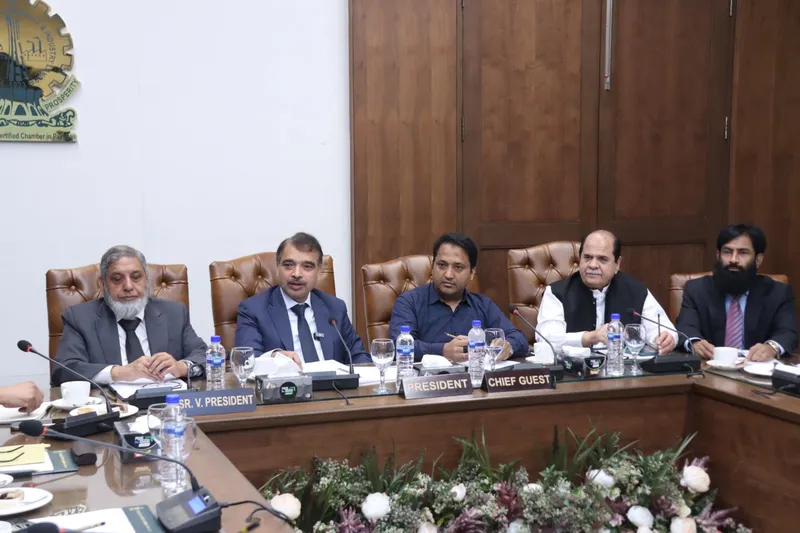
During the discourse, the LCCI President noted that industrial zoning and the relocation of manufacturing units have emerged as the most critical issues for the business community over the past year. He warned that when established industrialists—who serve as benchmarks for new investors—face daily administrative hurdles, it inherently discourages prospective investment. Referring to the proposed industrial zone near Pindi Das, Saigol suggested that the site possesses the potential to house approximately 300 industrial units. He proposed that at least 50 percent of the capacity should be specifically reserved for industries requiring relocation from their current operational sites. While acknowledging the necessity of moving industries away from dense residential zones for urban management, he insisted that the process must be conducted in close consultation with stakeholders to prevent the disruption of commercial activities.
Government Perspective on Urban Growth
Punjab Small Industries Corporation Regional Director Lahore, Muzammil Hassan Chaudhry, underscored that industrial zoning has become an unavoidable necessity due to the rapid urban expansion of Lahore. He explained that many industrial setups were established in areas that were once remote but have since been enveloped by residential developments. “Industries must be shifted to suitable locations to ensure environmental protection, maintain safety standards, and provide better facilities for citizens,” Chaudhry stated. He reaffirmed that the objective of the PSIC is to facilitate industrialists while simultaneously promoting economic growth. He confirmed that preliminary assessments for the project near Pindi Das are currently underway, and the corporation is committed to incorporating suggestions from the business community as the project moves forward. This collaborative approach aims to foster a more sustainable industrial environment, as discussed in broader contexts like the Finance Minister Aurangzeb’s recent committee meetings, which seek to streamline economic frameworks, or the ongoing performance reviews led by Dr. Musadik Malik concerning national infrastructure. Furthermore, as the province navigates these transitions, the cooperation of the private sector remains vital to balancing macroeconomic stability with the practical needs of the local manufacturing sector.