Pakistan Assumes OIC Ministerial Conference Chairmanship on Women for Two Years
 By hanif sabir
Published: 13 Jul 2026
3 min read
By hanif sabir
Published: 13 Jul 2026
3 min read
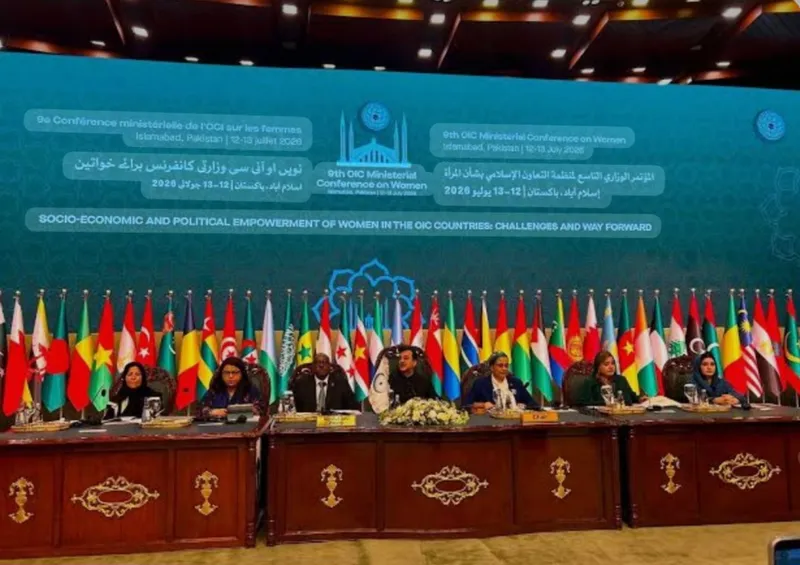
ISLAMABAD (special crosspondent) – Federal Minister for Human Rights, Azam Nazeer Tarar, announced on Monday that Pakistan has officially assumed the chairmanship of the Organisation of Islamic Cooperation (OIC) Ministerial Conference on Women for the next two years. This transition reflects the continued confidence of OIC member states in Pakistan’s commitment to gender equality and inclusive development.
Formal Assumption of Leadership
Addressing a press conference following the conclusion of the 9th OIC Ministerial Conference on Women in Islamabad, the minister confirmed the formal transfer of the chairmanship. As the nation navigates its economic landscape, government officials remain focused on initiatives that foster stability, similar to broader efforts such as the economic stability goals outlined by development authorities.
Commitment to Women Empowerment
Minister Tarar extended his gratitude to the OIC General Secretariat, member states, and various international delegations for their active participation, which was instrumental in the success of the two-day summit. He noted that the conference adopted key outcomes during its closing session, with member states reaffirming a collective pledge to enhance the economic, political, and social empowerment of women across the Muslim world. The participants resolved to ensure that women are fully integrated into national development processes, enabling them to contribute equally to building prosperous societies.
Technological Advancements and Future Strategy
Highlighting the critical role of the digital landscape, Tarar stated that dedicated sessions were held to evaluate both the opportunities and the systemic challenges of the digital age. Member states have pledged to leverage all available resources to equip women with modern technical skills, fostering an environment where they can transform their potential into tangible contributions to their national economies.
Collaborative Institutional Efforts
The minister expressed his appreciation for the Ministry of Human Rights team, led by the secretary and parliamentary secretary, alongside officials from the Ministry of Law and Justice for their organizational efforts. He further acknowledged the inter-ministerial cooperation provided by the Ministry of Foreign Affairs, under the guidance of Deputy Prime Minister and Foreign Minister Ishaq Dar, as well as the Ministries of Information and Broadcasting and Information Technology. This collaborative approach mirrors the necessity for inter-departmental policy alignment seen in other sectors, such as in petroleum pricing reform initiatives. Tarar concluded by thanking Prime Minister Shehbaz Sharif for his leadership, noting that Pakistan’s new role offers a vital opportunity to develop robust policy frameworks that ensure the long-term welfare and development of women throughout the Islamic world.