Pakistan Embassy in Ankara Commemorates Kashmir Black Day with Panel
 By hanif sabir
Published: 28 Oct 2026
3 min read

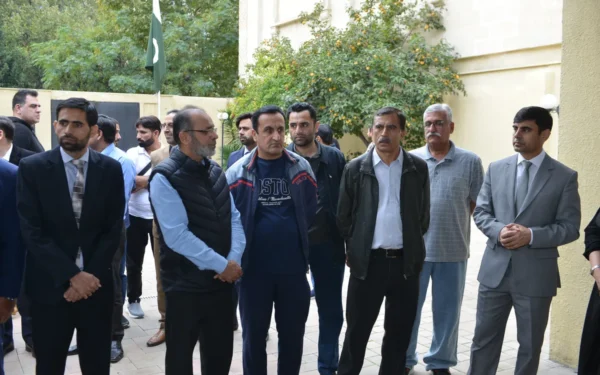
ANKARA (Special Correspondent) – The Embassy of Pakistan in Ankara, in collaboration with the Strategic Thinking Institute (SDE), marked Kashmir Black Day on 27 October 2026 by hosting a regional peace and security discussion centered on the 79th anniversary of the arrival of Indian troops in Srinagar. The event, titled “The Jammu and Kashmir Issue in the 79th Year of Occupation,” provided a platform for scholars and diplomats to examine the ongoing geopolitical and humanitarian crisis.
Key Points

- The event marked 79 years since the arrival of Indian forces in Srinagar on 27 October 1947.
- Chargé d’Affaires Shaiq Ahmed Bhutto reiterated Pakistan’s commitment to UN Security Council resolutions.
- Panelists discussed the historical significance, regional security, and the Indus Waters Treaty.
- The discussion emphasized the need for a just, peaceful, and legitimate settlement for the Kashmiri people.

Panel Perspectives on the Jammu and Kashmir Issue

Mr Shaiq Ahmed Bhutto, Chargé d’Affaires of the Embassy of Pakistan in Ankara, addressed the assembly by asserting that lasting peace is unattainable without political legitimacy and the active participation of the Kashmiri population. He commended Türkiye for its consistent diplomatic support and urged for a resolution rooted in international law.

Retired Consul General Mr Cemal Sangu analyzed the historical trajectory of the conflict and its enduring impact on regional stability. He prioritized the restoration of dialogue between Pakistan and India and the protection of fundamental human rights as essential pillars for a sustainable future.

Historical Context and Strategic Implications
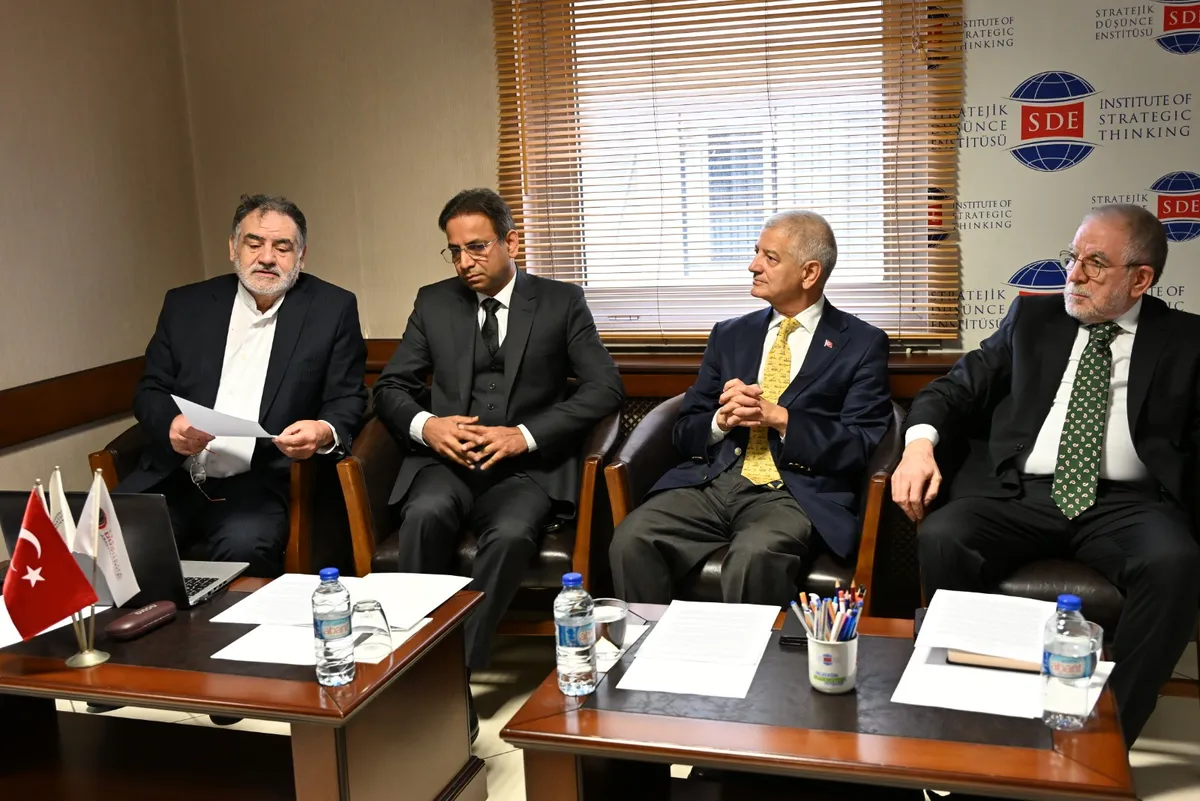
Historian and author Mr Sinan İlhan explored the deep-seated cultural and historical ties between Kashmir, Central Asia, and the broader Turkic world, illustrating how these connections have shaped the region’s unique identity throughout history. Following this, moderator and researcher Mr Mehmet Öztürk offered a critical analysis of the Indus Waters Treaty.

Mr Öztürk cautioned against the use of shared water resources as a tool for political leverage, advocating instead for cooperative management and adherence to established international legal frameworks. The session concluded with a consensus on the necessity of sustained global diplomatic engagement to address the grievances and aspirations of the Kashmiri people.

Frequently Asked Questions
What was the focus of the Kashmir Black Day panel?
The panel examined the historical, political, and humanitarian dimensions of the Jammu and Kashmir dispute, marking 79 years of occupation.
What role does the Indus Waters Treaty play in the dispute?
Panelist Mr Mehmet Öztürk emphasized that the treaty should be handled through dialogue and cooperation rather than using shared water as a political instrument.