Petroleum Pricing Committee Moves Towards Phased Deregulation of Oil Sector
 By hanif sabir
Published: 30 Jul 2026
2 min read
By hanif sabir
Published: 30 Jul 2026
2 min read
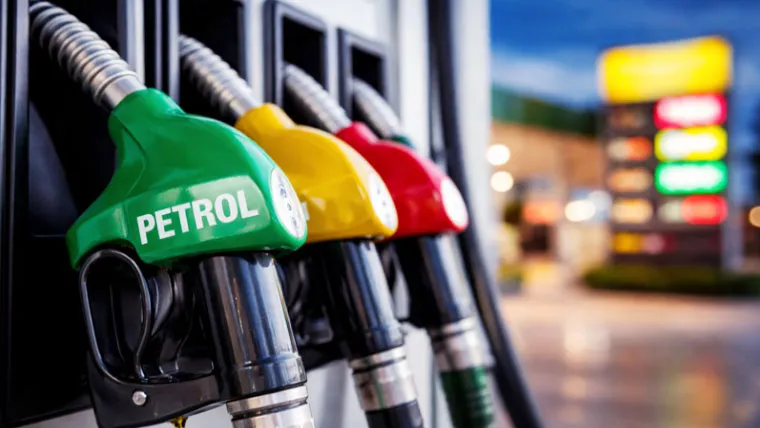
ISLAMABAD (special crosspondent) – The fifth meeting of the committee, mandated by the Prime Minister to review the petroleum pricing mechanism, convened today under the leadership of Federal Minister for Petroleum Ali Pervaiz Malik. The session focused on advancing a structured and phased deregulation of the nation’s oil sector to enhance market efficiency.
Review of Pricing Mechanisms and Regulatory Oversight
During the session, the established sub-committees presented their comprehensive findings on the current petroleum pricing structure. Furthermore, KPMG shared a detailed comparative report analyzing regional petroleum taxation and pricing models. The committee members expressed satisfaction with the recent implementation of the daily pricing formula, noting that these measures have significantly bolstered transparency and reduced market volatility. This ongoing structural dialogue mirrors broader efforts to modernize national energy governance, as discussed in recent policy forums such as the RCCI President Usman Shaukat Urges Balanced Fuel Pricing Reform Policy.
Operational Enhancements and Digital Transparency
Minister Ali Pervaiz Malik emphasized that the deregulation process must follow a clear, measurable roadmap underpinned by specific benchmarks. The committee was informed that the Oil and Gas Regulatory Authority (OGRA) has successfully launched a digital dashboard. This platform provides the public with real-time access to daily petroleum prices, the applicable pricing methodology, and relevant Platts data. To further modernize the sector, the Minister directed Oil Marketing Companies (OMCs) to lead the end-to-end digitization of the petroleum supply chain, aimed at increasing accountability and supply chain traceability.
Strategic Reserves and Market Structure
The committee evaluated the feasibility of establishing a price stabilization fund and expanding strategic petroleum reserves to act as buffers against global market fluctuations. Deliberations also touched upon the current moratorium on new OMCs, with the committee assessing its impact on market competitiveness and long-term investment. It was formally resolved that the Industry Freight Equalization Margin (IFEM) pool requires a thorough, wholesome review to better align with current market realities.
Taxation and Future Directives
Addressing fiscal policy, the meeting reviewed the contentious issue of windfall taxes. The Finance Division, in collaboration with the Federal Board of Revenue (FBR) and the Petroleum Division, was tasked with preparing a detailed report for the upcoming session. The committee remains committed to formulating a comprehensive reform roadmap that prioritizes consumer protection and robust market competition. The meeting was attended by key stakeholders, including National Coordinator NCMC, Lt General Zafar Iqbal, and Minister of State for Finance Bilal Azhar Kiyani.