Tampa tops global ranking of cities with highest tree coverage, Singapore and Breda share second place
 By hanif sabir
Published: 09 Sep 2026
3 min read
By hanif sabir
Published: 09 Sep 2026
3 min read
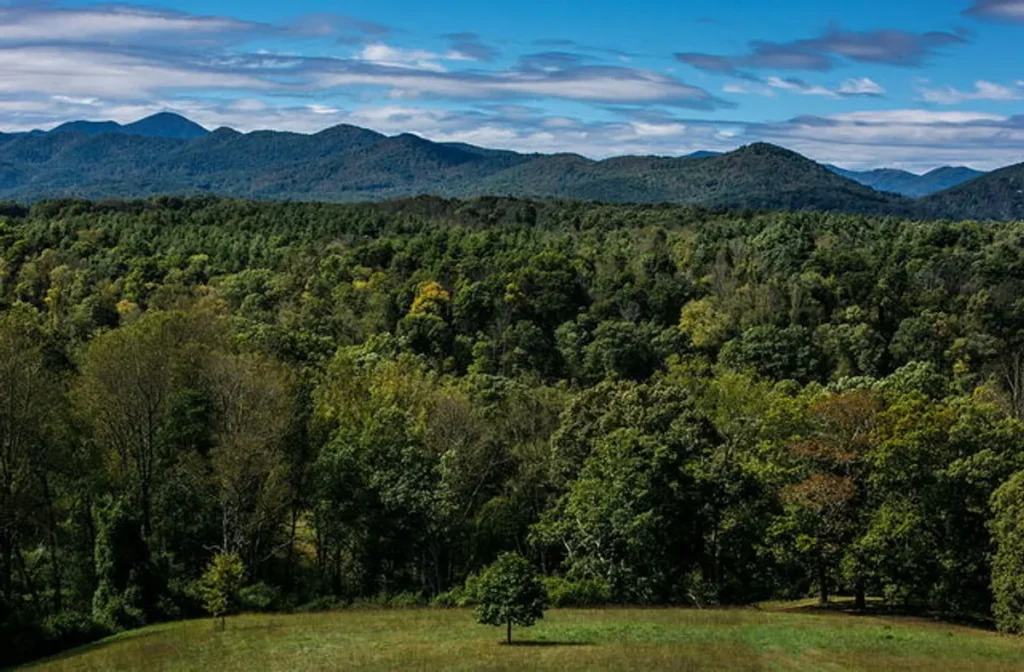
Tampa tops global ranking of cities with highest tree coverage, Singapore and Breda share second place
ISLAMABAD: Tampa in the United States has emerged as the city with the highest visible tree coverage among major cities worldwide, according to a global ranking published by Visual Capitalist. Tampa recorded a Green View Index (GVI) of 36.1%, putting it at the top of the list.
According to the ranking, the Dutch city of Breda and Singapore share second place with a GVI of 29.3%, while Norway’s capital Oslo ranks fourth with 28.8%. Australia’s Sydney and Canada’s Vancouver share fifth place with 25.9% tree coverage.
Canada’s Montreal ranks seventh with 25.5%, followed by Cambridge in the United States at 25.3%. Mexico’s Xalapa records 24%, while South Africa’s Durban has 23.7% and Johannesburg 23.6%. Sacramento in the United States also records 23.6%.
The ranking further places Frankfurt in Germany at 21.5%, Geneva in Switzerland at 21.4%, Veracruz in Mexico at 21.4%, Amsterdam at 20.6%, Seattle at 20%, Toronto at 19.5%, Miami at 19.4% and Boston at 18.2%.
Other major cities included in the ranking are Tel Aviv at 17.5%, New York at 13.5%, London at 12.7%, São Paulo at 11.7%, Quito at 10.8% and Paris at 8.8%.
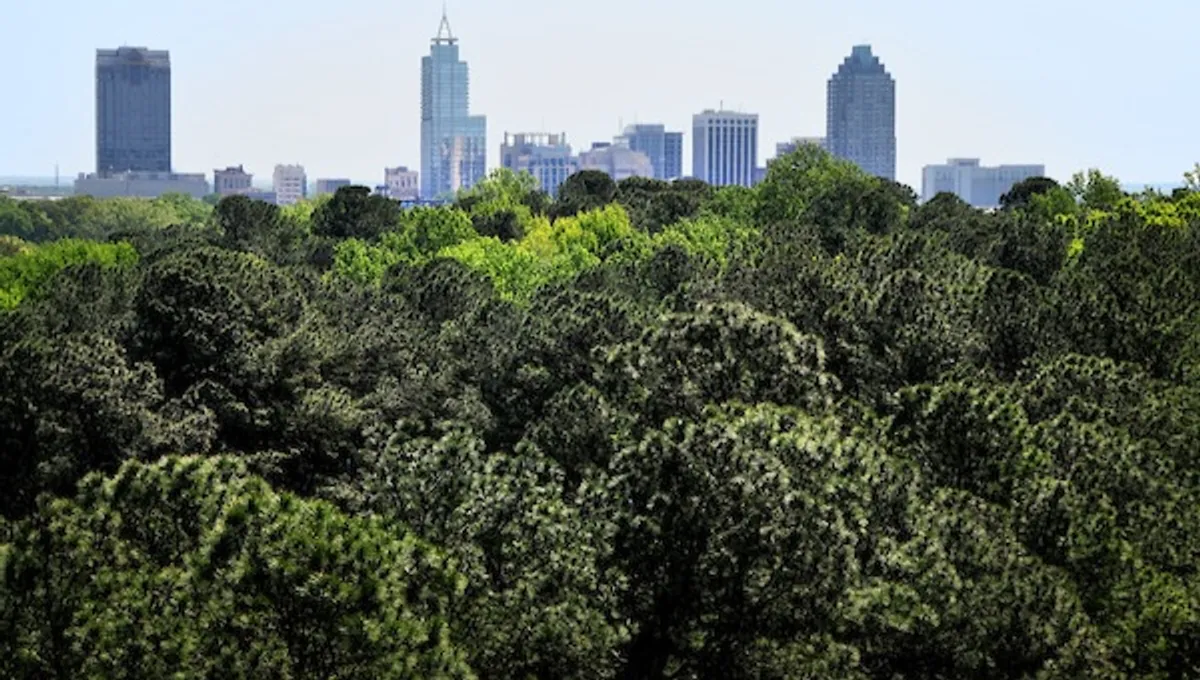
Tampa’s position at the top of the ranking is notable. Located in Florida, the city has a warm and humid subtropical climate that provides favourable conditions for tree growth. However, the extent of urban tree coverage is also influenced by urban planning, tree-planting programmes and policies aimed at preserving existing trees.
Singapore’s second-place ranking is particularly significant given its high population density and highly urbanised environment. The city-state has for decades incorporated trees, parks, gardens and green corridors into its urban planning. Its approach to combining urban development with extensive greenery has made Singapore a prominent example of green urban planning.
The Green View Index used in the ranking does not measure the percentage of a city’s total land area covered by trees. Instead, it measures the amount of tree canopy that is visible from the street level. The methodology is designed to reflect the experience of people moving through urban areas, including pedestrians, cyclists and motorists.
This distinction means that a city with large forests or extensive parks may not necessarily achieve a high GVI if those green areas are not visible from streets. Conversely, cities that have extensive tree cover along roads, residential areas and urban corridors can achieve a higher score.
Urban trees provide benefits extending well beyond aesthetics. They provide shade, help reduce temperatures along streets and pedestrian areas, mitigate the effects of urban heat, assist in managing stormwater and contribute to healthier urban environments. Tree-lined streets can also make cities more comfortable and attractive for pedestrians and improve the overall quality of urban life.
The ranking highlights how urban development and green infrastructure can coexist when trees and vegetation are incorporated into city planning. The examples of Tampa, Singapore, Breda and Oslo demonstrate that densely populated and modern cities can maintain significant levels of visible tree coverage while continuing to develop their urban infrastructure.