US Political Realignment May Reshape Global Ties: Dr Kenneth Holland
 By hanif sabir
Published: 06 Nov 2026
3 min read

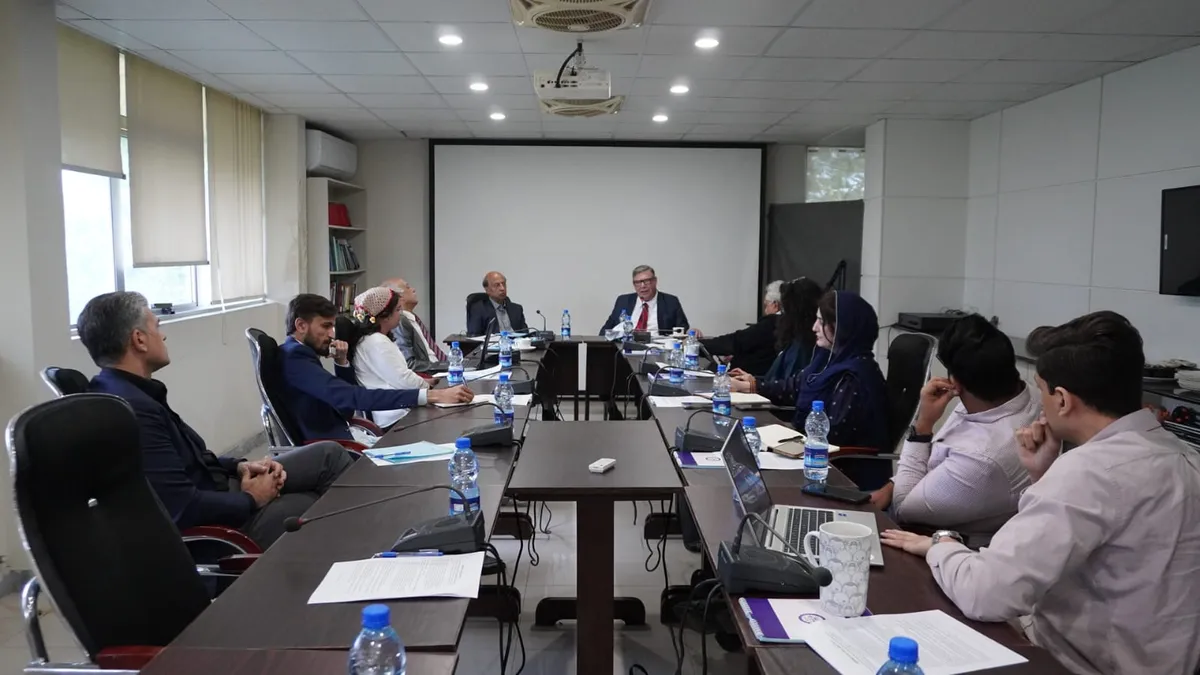
ISLAMABAD (Special Correspondent) – The United States is currently experiencing a profound political realignment that is poised to reshape its long-term domestic and foreign policy priorities, according to American scholar Dr Kenneth Holland. Speaking at an interactive session hosted by the Center for Research and Security Studies (CRSS) in Islamabad, Dr Holland characterized recent US political trends as a significant US political realignment, suggesting that while the nation navigates internal shifts, the overarching strategic competition with China will persist as a firm point of bipartisan consensus in Washington.
Key Points
- Dr Kenneth Holland identified the recent electoral landscape as a political earthquake driven by inflation and economic pressures.
- The expert noted that Donald Trump’s protectionist economic policies have marked a departure from traditional Republican free-market principles.
- Strategic rivalry with China remains a constant priority for both American political parties in the current climate.
- Pakistan was encouraged to explore economic cooperation in critical minerals, technology, and AI-related services with the US.
- The session underscored that Pakistan must improve its domestic infrastructure to effectively attract foreign investment in its mining sector.
Shifting Dynamics in US Governance
Dr Holland analyzed the ongoing US political realignment by comparing the current transformation of the Republican Party to the historical shifts initiated by Franklin D. Roosevelt in the 1930s. He argued that under Donald Trump, the party has moved toward economic nationalism and centralized executive authority, distancing itself from the limited-government philosophy associated with the Ronald Reagan era. These developments have been heavily influenced by rising consumer prices and interest rates, which continue to impact American voters.
Implications for Pakistan-US Relations
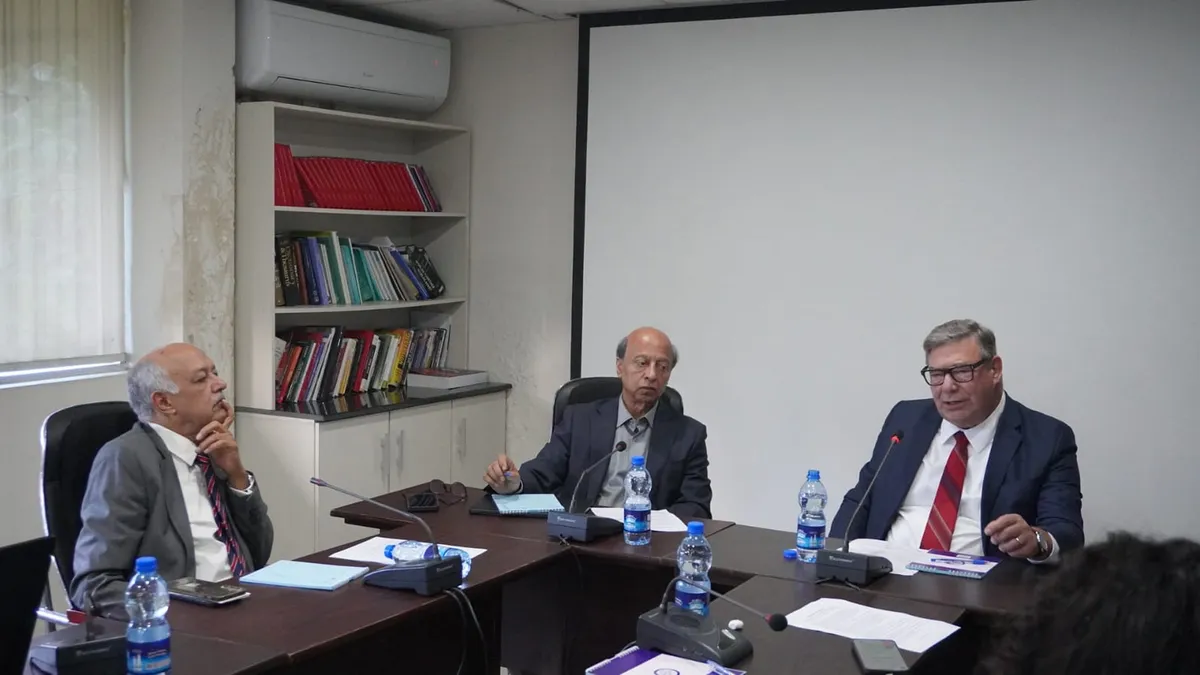
Addressing the future of bilateral ties, Dr Holland highlighted that while Washington’s relationship with New Delhi has been historically rooted in concerns over China, emerging friction provides new diplomatic space for Islamabad. He urged Pakistani policymakers to look beyond security-centric cooperation by focusing on trade, investment, and educational exchanges. Promising sectors for collaboration identified during the US political realignment discussion include IT, artificial intelligence, and the export of critical minerals. Dr Holland emphasized that the onus remains on Pakistan to provide the secure, stable infrastructure necessary to entice American businesses into these emerging sectors.
Frequently Asked Questions
How has the Republican Party evolved according to Dr Holland?

Dr Holland states that the party has shifted toward economic nationalism and centralized executive authority, moving away from the free-market and internationalist principles of the Ronald Reagan era.
What sectors does Dr Holland suggest for Pakistan-US cooperation?
He identifies critical minerals, surgical instruments, information technology, and artificial intelligence-related services as the most promising avenues for strengthening economic ties.



Comments (1)