Musadik Malik Warns Climate Disasters Deepen Pakistan Economic Vulnerabilities
 By hanif sabir
Published: 06 Nov 2026
3 min read
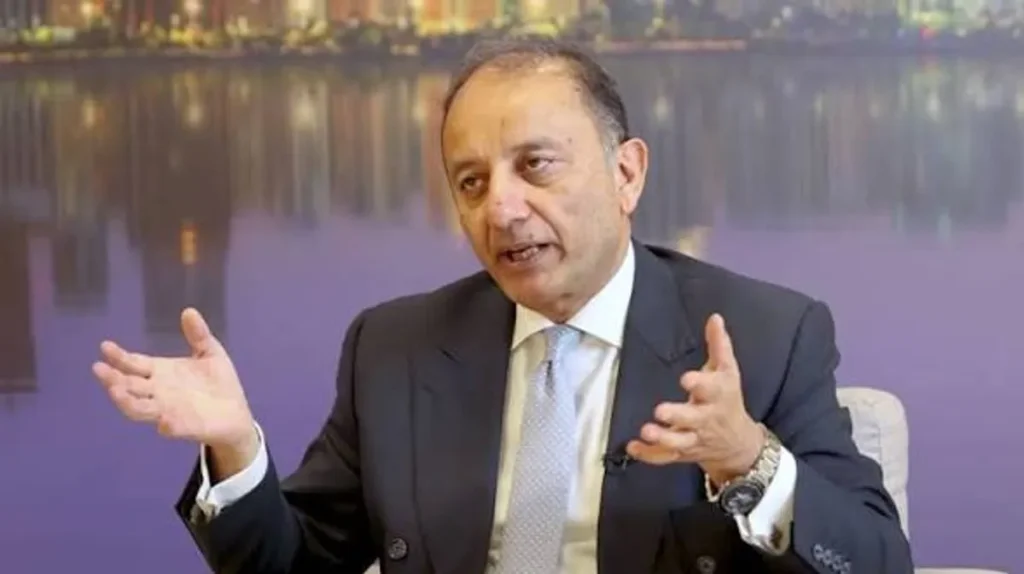
KARACHI (Special Correspondent) – Federal Minister for Climate Change and Environmental Coordination Dr Musadik Malik stated on 6 November 2026 that climate disasters, technological disruption, and an increasingly unequal global economic order are converging to deepen Pakistan’s economic vulnerabilities. He warned that the combined impact of these challenges threatens to reverse decades of progress achieved by vulnerable communities.
Key Points
- Dr Musadik Malik noted that climate disasters, technological shifts, and global economic imbalances are severely undermining Pakistan’s development.
- Major flood events have caused approximately 6,000 deaths, 20,000 injuries or disabilities, and 30 to 40 million displacements.
- Extreme heat in regions like Jacobabad is creating hazardous conditions for industrial and outdoor laborers.
- The minister highlighted that advancements in artificial intelligence and automation pose risks to workers with low or mixed skill sets.
- Public initiatives, such as the adoption of rooftop solar energy, are helping to reduce reliance on imported energy sources.
Economic Consequences of Climate Change
Addressing a keynote session at the Institute of Business Administration (IBA), Karachi University Campus, the minister argued that Pakistan’s economic vulnerabilities cannot be understood solely through domestic policy failures. He emphasized that global commodity cycles, fluctuating interest rates, geopolitical conflicts, and technological shifts are critical determinants of the nation’s economic trajectory.
Dr Musadik Malik highlighted the human cost of climate disasters, noting that families in Gilgit-Baltistan and along the Sindh-Balochistan border have been repeatedly pushed back into poverty. He lamented that many individuals, after losing their homes and livestock to successive floods, were eventually forced to abandon ancestral lands entirely. Furthermore, he noted the extreme health risks faced by laborers in high-heat areas like Jacobabad, where workers continue in dangerous conditions due to dire economic necessity.
Reframing Economic Metrics and Technological Shifts
The minister criticized the conventional practice of measuring climate-induced losses primarily through GDP and financial indicators. Instead, he argued for an assessment framework that accounts for mortality, displacement, disability, disrupted education, and the collapse of family livelihoods. By prioritizing human-centric data, he aimed to underscore the true scale of the crisis.
Turning to technological disruption, Dr Musadik Malik pointed to the rapid rise of robotics and artificial intelligence. He warned that these advancements could displace workers with limited skill sets, underscoring the urgent need for a faster pace of human capital development. These technological transformation challenges require, according to the minister, a more adaptive approach to the modern employment market.
Global Order and Domestic Innovation
Dr Musadik Malik expressed concern over the weakening of the rules-based international order, citing an increase in unilateralism and power-based trade settlements as contributors to global uncertainty. He also highlighted the unfair disparity in borrowing costs between developed and developing nations as a significant obstacle to stability.
On a more positive note, he lauded the expansion of rooftop solar installations as a successful public initiative that has reduced national demand for imported liquefied natural gas. The minister concluded by urging students and the academic community to engage critically with these interconnected issues, advocating for collective, long-term solutions involving the government and private sector to ensure sustainable growth.
Frequently Asked Questions
What are the primary factors contributing to Pakistan’s economic vulnerabilities?
Dr Musadik Malik identified the convergence of climate disasters, technological disruption, geopolitical conflicts, and an unequal global economic order as the main drivers of the country’s current economic struggles.
What is the human impact of climate disasters mentioned by the minister?
The minister highlighted that five major flood events have resulted in roughly 6,000 deaths, 20,000 injuries or disabilities, and the displacement of 30 to 40 million people, destroying the foundations of family livelihoods.