Analysis Examines Resilience of Iranian Economy Amidst Ongoing Global Pressure
 By hanif sabir
Published: 29 Jul 2026
3 min read
By hanif sabir
Published: 29 Jul 2026
3 min read
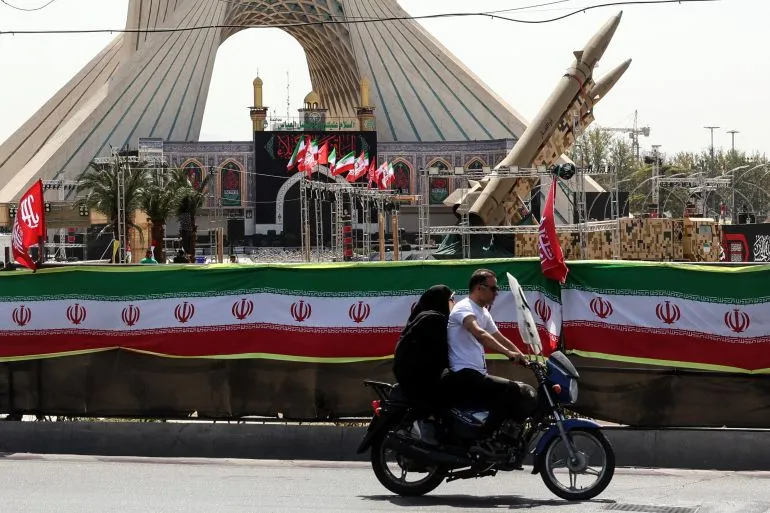
TEHRAN (special crosspondent) – Despite years of sweeping US sanctions, military pressure and the recent conflict with the United States and Israel, Iran’s economy has avoided a complete collapse, according to a new analysis. The report attributes the country’s resilience to a strategic combination of economic adaptation, consistent oil exports and the cultivation of alternative trade networks.
Economic Adaptation Under Protracted Sanctions
The assessment indicates that although the Iranian economy remains under severe strain, it has continued to function despite persistent high inflation, a weakening national currency, rising unemployment and the localized damage caused by recent military strikes. Analysts observe that a critical factor in this endurance is that Iran has spent years hardening its internal economic structures to withstand life under international sanctions, effectively insulating the system against sudden external shocks.
The Role of Sustained Oil Exports
According to the analysis, oil exports remain the primary engine of Iran’s economy. Despite extensive Western sanctions, Tehran has successfully maintained the sale of crude oil through clandestine and alternative channels, which generates essential foreign exchange revenues. These critical earnings have empowered the government to finance mandatory state spending and ensure that key economic sectors remain operational. Much like the regional challenges monitored in Houthi Escalation in Yemen Threatens Regional Stability and Global Trade, the security environment continues to influence these trade flows.
Expanding Regional and Asian Trade
The report highlights that Iran has significantly expanded trade partnerships with neighbouring nations and key Asian stakeholders. By leveraging informal commercial networks and developing bespoke financial mechanisms, Tehran has sought to circumvent the restrictive impact of international banking sanctions. These efforts have been vital in maintaining a flow of essential imports and exports, even as formal global financial systems remain largely inaccessible to the state.
Current Infrastructure and Public Impact
Al Jazeera’s reporting notes that recent military escalation caused specific damage to parts of Iran’s industrial infrastructure and the energy sector, compounding pressure on an already fragile fiscal environment. Despite these disruptions, economic activity did not cease, and the government has maintained its commitment to providing public services and basic goods. Experts argue that while Iran faces acute macroeconomic challenges, an immediate systemic collapse remains unlikely. This structural endurance mirrors the complexities seen in other Ishaq Dar and Ayman Safadi Discuss Worsening Crisis in Palestine, where regional instability necessitates deep economic adaptation. Furthermore, the capacity for domestic adaptation is underscored by the country’s ability to manage resources, similar to the planning seen in Pakistan Unveils Comprehensive Four Year Hajj Policy and Savings Scheme, which demonstrates state-level economic management.
The Outlook for Future Stability
Ordinary citizens in Iran continue to navigate significant hardships, including soaring consumer prices, declining purchasing power, frequent electricity shortages and systemic employment challenges. Analysts emphasize that additional military pressure or unilateral sanctions, taken in isolation, are insufficient to trigger a rapid collapse of the national economy. Moving forward, the economic outlook will be heavily contingent upon regional security developments, the trajectory of US sanctions, the stability of oil revenue, and the possibility of renewed diplomatic engagement to mitigate current tensions.