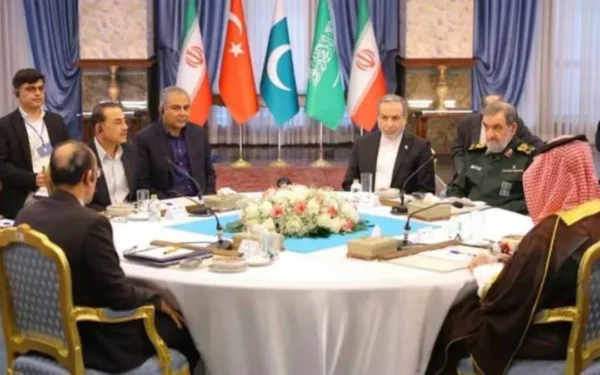
Iran Revolutionary Guards Threaten To Disrupt Middle East Energy Supplies
 By hanif sabir
Published: 16 Jul 2026
2 min read
By hanif sabir
Published: 16 Jul 2026
2 min read
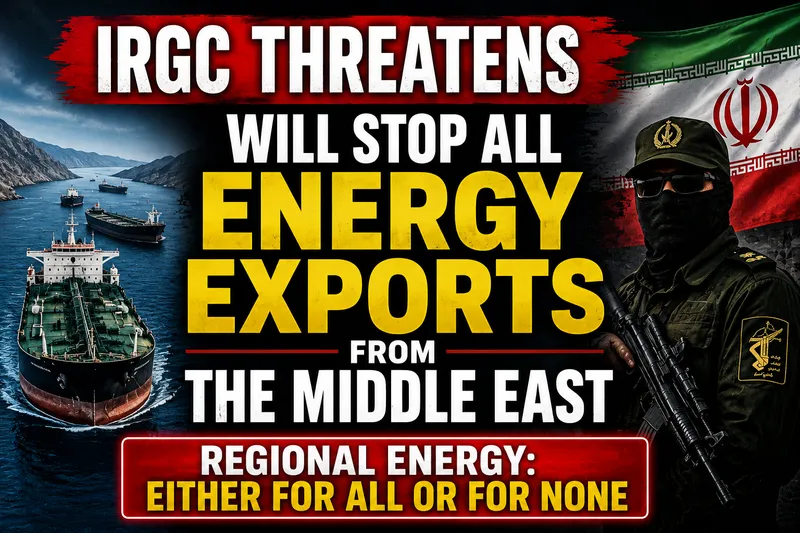
TEHRAN (special crosspondent) – Iran’s Islamic Revolutionary Guard Corps (IRGC) has issued a direct warning that it may disrupt global energy supplies originating from the Middle East. The threat comes in response to what the Iranian authorities characterize as an escalating U.S. naval blockade, with Tehran declaring that if its own oil and gas exports are forcibly curtailed, export routes utilized by other nations in the region will face similar closures.
The IRGC Stance on Regional Energy Security
In a formal statement released via Iranian state media, the IRGC asserted a policy of reciprocity, declaring that regional energy exports would either be accessible to all nations or none at all. The organization explicitly warned that if current military and economic pressures exerted by the United States and its allies continue, other commercial shipping lanes that support these interests may be targeted by Iranian forces.
Strait of Hormuz Remains a Point of Contention
The IRGC reiterated that the critical maritime chokepoint, the Strait of Hormuz, would remain under threat of closure until the United States ceases what Tehran describes as aggressive actions and the ongoing blockade of Iranian ports. While this rhetoric has significantly heightened regional anxiety, the Iranian leadership has not yet announced any immediate kinetic military action. This situation mirrors recent shifts in Pakistan-Turkiye strategic defense ties, reflecting the complex nature of international security alignments in the current geopolitical climate.
Market Implications and Global Energy Risks
The latest escalation follows a period of mounting tension between Tehran and Washington, particularly as the United States has sought to tighten its naval presence to restrict Iranian influence. Energy analysts caution that any follow-through on these threats would have immediate and severe consequences for global markets. A disruption of major Gulf energy corridors would likely trigger a sharp spike in oil and natural gas prices, potentially destabilizing economies worldwide. Furthermore, such actions increase the probability of a broader, multinational military confrontation. The volatility of these energy routes remains a central concern for regional stability, often discussed in dialogues such as those held during sessions where officials review Pakistan-China economic ties to ensure consistent supply chain security. Observers remain closely tuned to these developments as global powers weigh their diplomatic options to de-escalate the situation.