Millions of Syrians Returning Home After Assad’s Fall Face New Challenges
 By hanif sabir
Published: 23 Aug 2026
2 min read
By hanif sabir
Published: 23 Aug 2026
2 min read
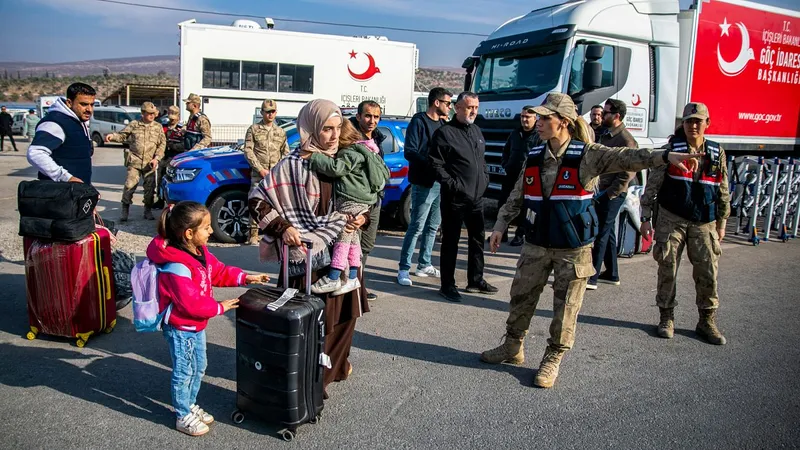
Millions of Syrians Returning Home After Assad’s Fall Face New Challenges
DAMASCUS: Millions of Syrians who returned to their homeland following the fall of Bashar al-Assad’s government are struggling to rebuild their lives, as war-damaged homes, poor infrastructure, prolonged power outages, limited employment opportunities and low incomes have made their return far more difficult than expected.
According to Euronews, around 3.6 million Syrians have returned to their areas of origin since the fall of Assad’s government in December 2024. UNHCR figures show that by the end of May 2026, around 1.67 million Syrians had returned from neighbouring countries, while another 1.92 million internally displaced people had gone back to their areas of origin.
The report said the experiences of returnees vary considerably. While some are trying to rebuild their lives in their hometowns, others are considering leaving the country again because of severe economic difficulties.
One Syrian who returned from Turkey said he had been earning around $1,000 a month there, but his monthly income after returning to Syria had fallen to between $250 and $300. A colleague who returned from Egypt said he did not regret coming back despite the lower income because he was living in his family home and did not have to pay rent.
The report noted that years of war have caused extensive damage to Syria’s infrastructure. According to World Bank estimates, Syria has suffered around $108 billion in direct physical damage, while approximately $216 billion would be required to rebuild the country — nearly 10 times Syria’s gross domestic product in 2024.
Returnees are also facing destroyed or heavily damaged homes, weak local administration, persistent electricity shortages and limited formal employment opportunities. The lack of basic services in many areas remains a major obstacle to restoring normal life.
Euronews reported that many Syrians returned home after Assad’s fall in the hope that conditions would improve. However, the long-term consequences of the war, economic hardship and shortages of essential services have turned their return into a complicated and challenging experience.