US Imposes New Sanctions on 60 Iran-Linked Entities, Individuals and Vessels
 By hanif sabir
Published: 25 Aug 2026
3 min read
By hanif sabir
Published: 25 Aug 2026
3 min read
US Imposes New Sanctions on 60 Iran-Linked Entities, Individuals and Vessels
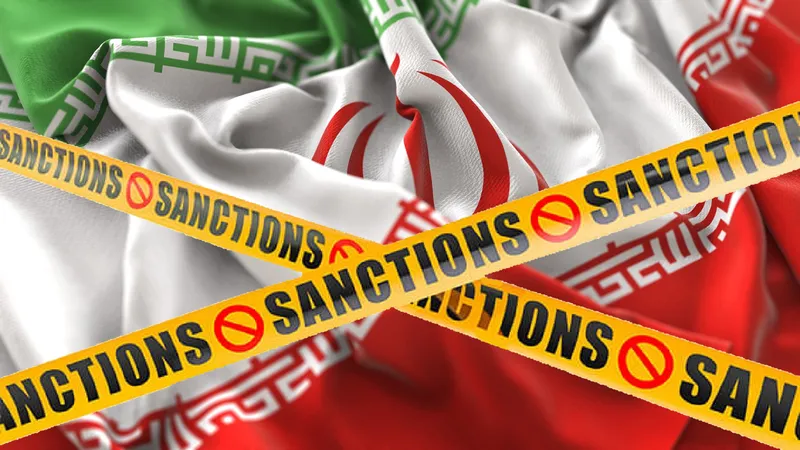
WASHINGTON: The United States has imposed fresh sanctions on 60 entities, individuals and vessels linked to Iran, further intensifying economic pressure on Tehran, while US Treasury Secretary Scott Bessent said Washington was preparing to launch a campaign to isolate Iran economically.
Bessent said global leaders would have to choose whether they wanted prosperity with the United States or isolation with Iran. He said Tehran had two options: face economic isolation or choose integration into the global economy.
The US Treasury Secretary said the new sanctions would target five key sectors, including digital assets, technology, gold, aviation and shipping. He added that the US Treasury had identified major sources of revenue for the Iranian government and the Islamic Revolutionary Guard Corps and was prepared to target those sources.
Bessent warned that countries and entities continuing to support the Iranian government could also face US measures and contribute to Iran’s economic isolation.
US Defense Secretary Pete Hegseth, meanwhile, said military action against Iran remained an option, while President Donald Trump claimed that the United States was “winning” against Iran and others, and that Tehran was facing economic and military decline.
China, on the other hand, rejected the use of sanctions as a means of resolving disputes, saying such measures did not help achieve their objectives. Beijing said it would protect its own interests.
Iranian Parliament Speaker Mohammad Bagher Ghalibaf said Iran’s trading partners were not taking US statements into consideration. Iranian Economy Minister Ali Madani-Zadeh announced a two-year plan to deal with the sanctions, saying Iran was prepared to manage the situation and that Washington would face another defeat.
Iranian news agency Tasnim, citing an Iranian security official, reported that the US sanctions plan was aimed at increasing psychological pressure on the Iranian people.
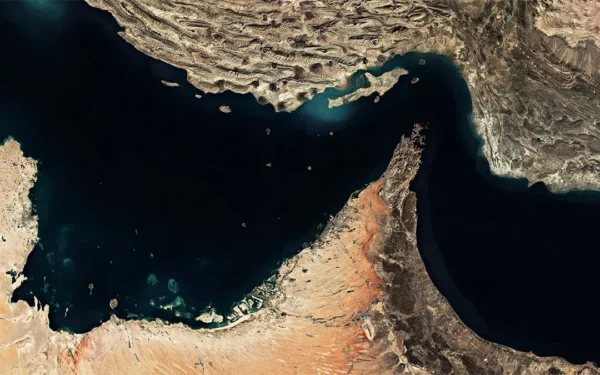
Meanwhile, tensions in the region remained high. Houthi fighters reportedly targeted a Saudi oil tanker in the Red Sea with a ballistic missile, triggering a fire on the vessel’s deck. Tehran has also reportedly blacklisted 45 oil tankers passing through the Strait of Hormuz for violating prescribed rules and regulations.
The Islamic Revolutionary Guard Corps warned that any attack on Iran’s infrastructure would prompt Iran to target major US energy facilities and other key American interests.
Chinese President Xi Jinping, during a meeting with Jordan’s King Abdullah II in Beijing, said the Palestinian issue was at the root of the Middle East crisis. He called for the resumption of negotiations and for the longstanding goal of establishing a Palestinian state to be realized in order to achieve lasting peace and stability in the region.
Chinese Foreign Minister Wang Yi, during a meeting with Kuwait’s Foreign Minister Sheikh Jareh, said the Middle East and Persian Gulf region had reached a critical juncture. He urged all relevant parties to return to negotiations and diplomatic engagement as soon as possible.
Meanwhile, the International Energy Agency has clarified that there is currently no plan under consideration for a new release of strategic oil reserves.