Saudi Arabia warns repeated Iranian attacks signal dangerous escalation
 By hanif sabir
Published: 20 Aug 2026
3 min read
By hanif sabir
Published: 20 Aug 2026
3 min read
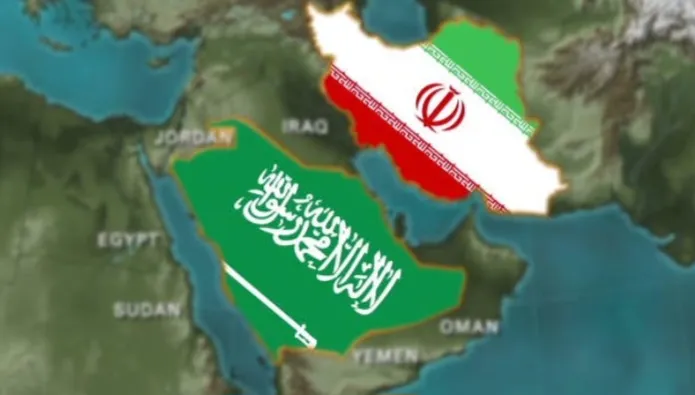
Saudi Arabia warns repeated Iranian attacks signal dangerous escalation
JEDDAH: Saudi Arabia has strongly condemned repeated Iranian attacks on commercial vessels and oil tankers, warning that such actions represent a dangerous escalation and pose a direct threat to maritime security and the freedom of navigation.
According to Saudi Gazette, the Saudi Cabinet, chaired by King Salman bin Abdulaziz in Jeddah on Tuesday, condemned the attacks and described them as serious violations of international law and regulations, as well as a violation of the UN Security Council resolution concerning the security of commercial navigation through the Strait of Hormuz. (“saudigazette.com.sa” ( https://saudigazette.com.sa/article/663853/saudi-arabia/saudi-arabia-warns-repeated-iranian-attacks-signal-dangerous-escalation ))
Minister of Media Salman Al-Dosary said following the Cabinet session that the government stressed the importance of ensuring the free movement of commercial vessels and protecting maritime traffic through strategic waterways, particularly the Strait of Hormuz.
The Cabinet also reviewed Saudi Arabia’s recent consultations and discussions with friendly countries aimed at strengthening bilateral and multilateral cooperation, advancing common interests and supporting regional and international peace and stability.
It welcomed efforts to operationalize a multinational maritime defence alliance led by Saudi Arabia. According to Saudi authorities, the alliance has entered a new phase of joint operations following the completion of its organizational and planning structures.
The maritime defence alliance is aimed at strengthening collective maritime security, protecting freedom of navigation through strategic waterways, including the Strait of Hormuz, and safeguarding global trade and supply chains.
The Cabinet also welcomed the establishment of a coordination council between Saudi Arabia and Sudan, describing it as an important step toward strengthening institutional cooperation between the two countries and advancing joint projects and initiatives.
The meeting also commended Saudi Arabia’s successful hosting of the 16th session of the United Nations Convention to Combat Desertification conference. The Cabinet highlighted international partnerships and initiatives launched during the conference to address land degradation, desertification and drought, as well as water and food security, climate adaptation and environmental protection.
The Cabinet further highlighted the Kingdom’s humanitarian role on the occasion of World Humanitarian Day on August 19, praising Saudi Arabia’s efforts to provide assistance to countries and communities affected by conflicts and disasters.
During the meeting, the Cabinet reviewed developments in the education sector ahead of the new academic year and praised the Public Investment Fund’s financial performance, including growth in revenue and net profit in 2025.
It also highlighted the fund’s investments in strategic sectors such as artificial intelligence, technology, energy, infrastructure and advanced manufacturing as part of Saudi Arabia’s efforts to diversify its economy under Vision 2030.
The Cabinet praised government agencies’ progress in the 2026 Digital Experience Maturity Index and stressed the importance of further using technology to improve services for citizens, residents and visitors.
It also authorized negotiations and the signing of a memorandum of understanding between Saudi Arabia and Malaysia on cooperation in safety, security and safeguards related to peaceful nuclear technology applications.
Other agreements approved by the Cabinet included cooperation between Saudi Arabia and Kuwait in public-private partnerships, consumer protection cooperation between Saudi Arabia and Tunisia, and mutual administrative assistance in customs matters between the Zakat, Tax and Customs Authority and the New Zealand Customs Service.
The Cabinet also approved a framework for exchanging information among members of the Global Operational Network of Anti-Corruption Law Enforcement Authorities and approved the organizational structure of the National Center for Curricula.